Nairobi CBD landlord prosecutions: The Shocking Crackdown
There’s big noise on the streets lately about Nairobi CBD landlord prosecutions. Police began cracking down on property owners who let their city buildings slide into neglect. Tenants, regulators, and everyday folks are talking—because for landlords, facing legal heat is no joke! With authorities rolling up on faded facades and peeling paint in one of Africa’s busiest CBDs, the timing couldn’t be hotter. We’ll cover what set it all off, dig into what these landlord prosecutions mean, and why this story matters for both urban developers and Nairobi’s growing cannabis community. Don’t blink—the city vibes and cannabis culture collide in ways no one expected.
Understanding the Nairobi CBD Landlord Prosecutions: Legal, City, and Social Context
Regulations covering Nairobi’s city center have always been a heady mix of old colonial discipline and today’s urban sprawl. The city’s environmental and building codes demand that landlords maintain visual standards, requiring them to regularly paint, fix urban decay, and keep buildings safe. These requirements aren’t random, they’re part of the Nairobi City County by-laws, crafted to prevent inner-city decay often seen in other global megacities. According to Nation Africa, officials are enforcing strict cleanliness and maintenance codes more aggressively than ever. This push is about more than civic pride or property values, it’s about the city’s international image as a regional business and cultural hub. The blend of changing regulations and a rising tide of cannabis normalization is increasingly apparent, especially when city authorities take action—such as in Monterey County, where challenges facing local growers mirror the tension between regulation and survival in urban settings. Social changes, including the casual acceptance of cannabis culture among Nairobi’s young workforce, are colliding with regulatory enforcement in ways that influence community attitudes and property management. It’s policy meeting people, sometimes with a smoky haze in the air.
Key Developments: Who’s Getting Prosecuted, and Why?
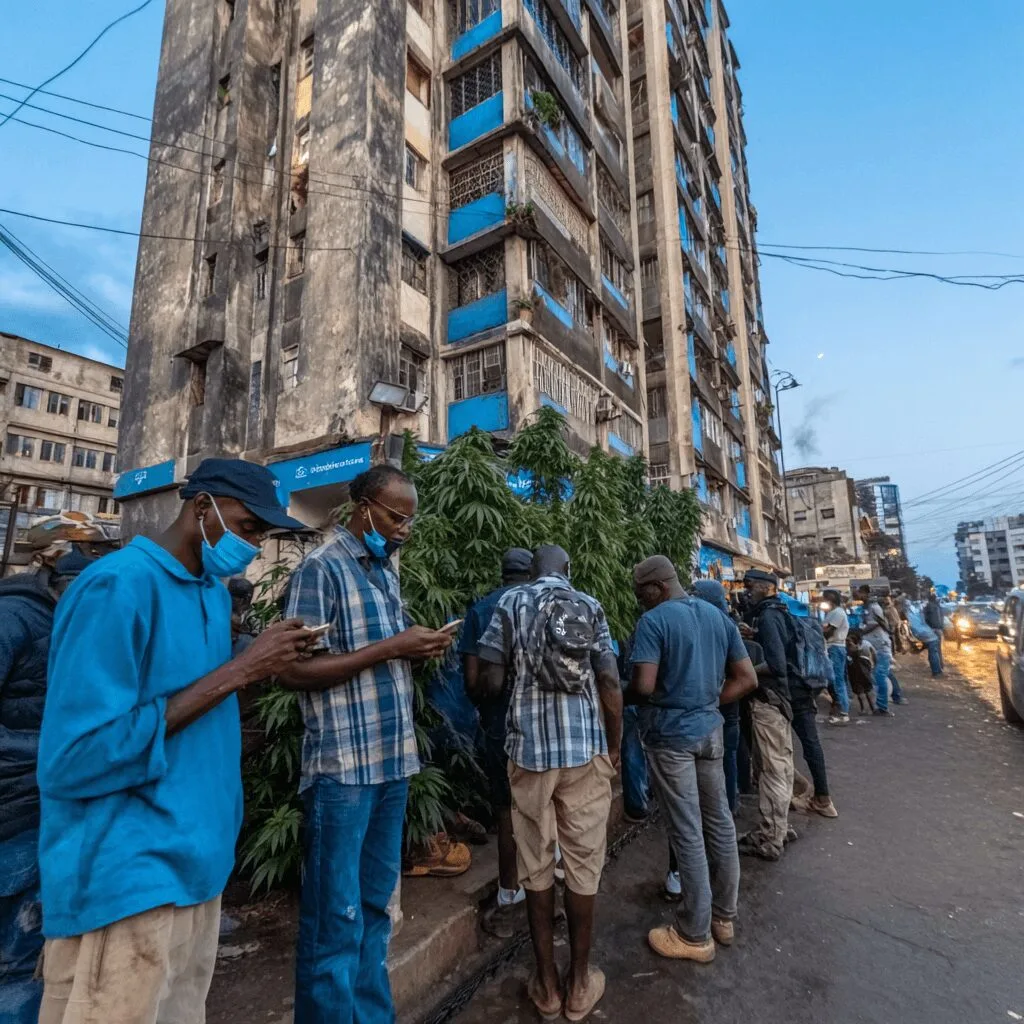
This month, Nairobi authorities made headlines as nineteen landlords in the city’s central business district (CBD) were officially cited for failing to repaint high-rise buildings. As reported by Nation Africa’s Nairobi beat, these prosecutions are part of a fresh campaign to clean up downtown’s image ahead of major business events and city-wide reviews. Court filings from June highlight not just faded facades, but a broader pattern of owner neglect: poor sanitation, deteriorating infrastructure, and in rarer instances, casual cannabis consumption in stairwells and rooftops. The legal mandate is clear—property owners must repaint every two years or risk heavy fines and even criminal charges. Enforcement teams, including city police and health inspectors, have begun conducting surprise checks, catching some landlords literally green-handed. This sweep is about compliance, but it also echoes broader changes—much like how legalization debates can spark debate in places such as Clay County, reflecting how legal standards are tested in local jurisdictions. The scale and cultural impact of these prosecutions put Nairobi CBD landlord prosecutions front and center, well beyond real estate circles.
Expert Analysis: What Does This All Mean for the Industry and Cannabis Culture?
Urban centers can become icons when landlords and tenants embrace creativity, especially as shifting rules allow local cultures to surface. Nairobi’s intensified approach reveals a unique tension: Where does city order end and urban vibrancy begin? Industry observers, including MJBizDaily, note that prosecuted landlords often serve diverse residents such as young professionals and artists—some now blending casual cannabis use into daily life. With changing perceptions of cannabis, efforts to clean up city centers may feel disconnected from evolving norms. As Professor Ethan Nadelmann succinctly put it, “Cannabis has always been part of urban life, just more visible as stigma drops.” (Leafly interview). In broader context, efforts to harmonize regulation with new attitudes toward cannabis mirror the ways other cities uplift their cannabis communities, as shown by events like the Stockton Walk for Hope that celebrates local spirit even in the face of regulatory hurdles. The Nairobi CBD landlord prosecutions serve as a timely reminder that legal and cultural evolution must move together—prompting stakeholders to seek dialogue, not just discipline, as the city adapts to the cannabis-friendly ethos now common in many urban centers.
The Future: Where Cannabis, Regulation, and Urban Style Collide
There’s real optimism here, even as Nairobi CBD landlord prosecutions heat up. City authorities and progressive landlords now have a unique chance to redefine urban management. By embracing a realistic balance between legal requirements and everyday cannabis culture, Nairobi can carve out a place as Africa’s model city: clean, dynamic, and open to new ideas. Reports like the Prohibition Partners Africa Report show that the cannabis industry drives not just business, but also smoother communication between city leaders and grassroots innovators. As the dust settles on this wave of prosecutions, expect to see a more collaborative approach: property owners picking up paintbrushes with one hand, and—let’s be honest—maybe a little chill in the other. Nairobi’s story is still unfolding, but the headlines will keep sizzling as the CBD finds its perfect blend of order, creativity, and acceptance.
Originally reported by: nation.africa