




Shocking Marijuana-Laced Food Crime: Trial Details Revealed
The marijuana-laced food crime making headlines highlights a unique crossroads between evolving cannabis laws and workplace safety. With cannabis acceptance growing nationwide, stories of alleged misuse in everyday environments ignite fresh debates. This marijuana-laced food crime trial pulls the industry, law enforcement, and the public into an urgent conversation about responsibility, regulation, and how social attitudes are shifting. Let’s break down what’s happening, why it matters, and what it means for the future of cannabis in everyday life.
The Legal and Cultural Context Around Marijuana-Laced Food Crime
The rise in marijuana-laced food crime cases comes as cannabis legalization continues to expand across many U.S. states, creating both fresh opportunities and growing pains. According to NORML, over 20 states allow recreational use, with many more supporting medical applications. But federal prohibition lingers, leaving workplaces caught in a legal gray zone. Employers struggle to adapt their policies. Meanwhile, the mainstreaming of edibles, now a multi-billion-dollar market per MJBizDaily, means THC products can show up far beyond retail dispensaries. In places where local ordinances are changing rapidly, concerns about access and safety increase, similar to the shifts reported in communities updating marijuana-related local rules. With all this growth, regulators and HR departments must navigate the thorny issue of accidental, or intentional, consumption, especially when a marijuana-laced food crime disrupts workplace trust. Socially, Americans are becoming more comfortable discussing cannabis, but stigma and serious health concerns persist, particularly in professional environments, as detailed in repeated studies from Pew Research. The confluence of evolving norms, mixed legality, and new product forms like edibles creates a volatile landscape for incidents like the current marijuana-laced food crime on trial.
Key Details of the Recent Marijuana-Laced Food Crime Case
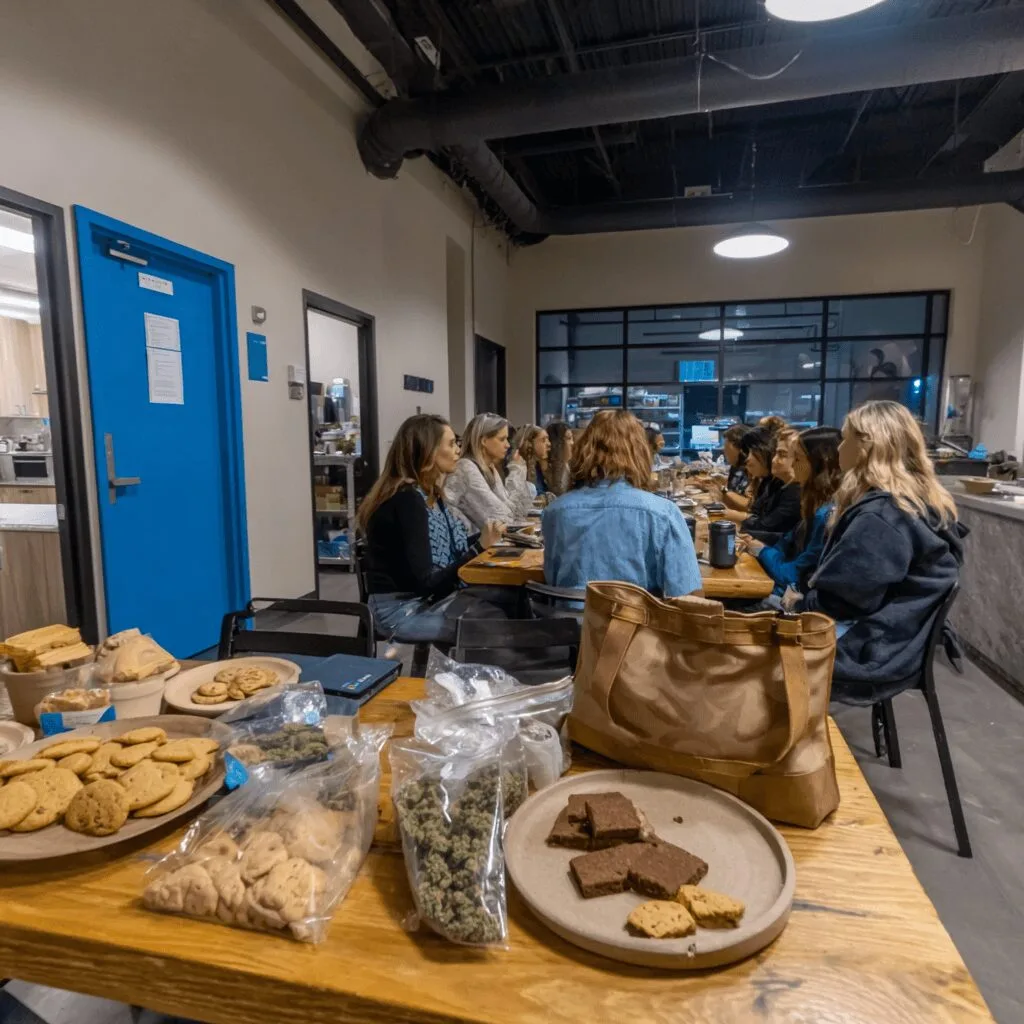
This headline-grabbing marijuana-laced food crime centers on a workplace in Mansfield, Ohio. According to recent reports from Mansfield News Journal, a woman stands accused of distributing homemade snacks infused with marijuana to coworkers without their knowledge. The incident allegedly occurred at a local industrial facility in late October 2025. Multiple employees reported symptoms such as dizziness and nausea after consuming baked goods in the break room. Company officials immediately contacted law enforcement, initiating an internal investigation and prompting local police involvement. Recent workplace incidents involving cannabis often reflect broader national trends, as observed in rural communities experiencing similar enforcement challenges. Legal filings provided by Richland County Courts show the defendant faces charges of reckless endangerment and drug tampering, both serious felonies under Ohio law. The case is scheduled for trial in late November, with both prosecutors and defense attorneys preparing to debate intent, dosage, and workplace safety measures. Authorities noted that this isn’t the first marijuana-laced food crime in the region, signaling increasing legal attention on how infused products intersect with employment law and public health. As of now, the accused maintains her innocence and is out on bail, while the affected employees continue to recover. Mansfield Police and state regulators have heightened workplace cannabis vigilance, noting, as per Ohio’s Medical Marijuana Control Program, that all infused product distribution must adhere strictly to legal channels, especially nowhere near unwitting consumers.
Expert Analysis: Lessons and Warnings From This Marijuana-Laced Food Crime
The complexities of this marijuana-laced food crime underscore the challenges of adapting policy to fast-changing cannabis trends. Industry veterans point out that hazards arise not from the plant, but from mishandling and misuse. As High Times contributor and industry consultant Dr. Rachel Swanson notes, “Edibles are amazing for many who need discreet, long-lasting effects, but dosing, intent, and transparency matter more than ever. This case is a potent reminder: Respect the people you share with, and follow the damn rules!” Experts point to Colorado’s long-established edibles labeling and tracking system as a best practice, crediting it with drastically reducing accidental consumption, according to Colorado Marijuana Enforcement Division. Broader shifts in cannabis product safety have also emerged, such as increases in medical sales and a renewed industry focus on oversight, as reflected in the medical cannabis sector’s growth and emphasis on regulation. Furthermore, ethical brands in the legal market have doubled down on childproof packaging, employee training, and public education. The broader pattern? Most marijuana-laced food crime cases stem not from regulated operators, but from a lack of oversight in unsanctioned spaces. With workplaces, the balance between trusting coworkers and needing robust policy creates persistent tension. And let’s not sugarcoat it, accidental or unwanted ingestion, as any budtender will tell you, can ruin someone’s day or their job.
Looking Ahead: Building Trust After Marijuana-Laced Food Crime
Stories like this marijuana-laced food crime are jarring for employees and spark overdue conversations among policymakers, employers, and advocates alike. But there’s a silver lining. Increased awareness leads to stronger protocols, better education, and — crucially — clearer legal lines. States like Illinois and Colorado have demonstrated that transparent, consistent cannabis policy helps reduce confusion, protect vulnerable people, and promote responsible use (Chicago Tribune Cannabis Coverage). As the social stigma around responsible consumption fades, people are starting to see that the solution is not to demonize cannabis but to regulate it wisely and humanely. The key, as always, is a blend of transparency, education, and respect for everyone’s workplace safety and wellbeing. The road ahead promises more legal refinement and an ever more sophisticated, mature cannabis industry pleased to operate aboveboard.
Originally reported by: mansfieldnewsjournal.com