


Nonclinical Psilocybin Trends: What You Must Know Now
There’s never been a wilder time to talk about nonclinical psilocybin trends. From living rooms to lawmakers’ desks, this wave is swelling fast—that’s why everyone in the cannabis and wellness community is tuned in. Nonclinical psilocybin use is growing like, well, mushrooms after the rain, whether folks are microdosing or just swapping stories about mental wellness. As the media, medical pros, and regulators step up scrutiny, it’s crucial to break down exactly what’s happening, where legal lines are drawn, and why so many cannabis fans are also eyeing psilocybin’s nonclinical world. Get ready for the facts, the friction, and all the flavor this movement brings.
Understanding the Roots: Social and Legal Context for Nonclinical Psilocybin Trends
To really get why nonclinical psilocybin trends are spiking, you gotta look at the big picture. After years of slow progress, we’ve seen a wave of decriminalization and scientific curiosity spring up. Cities like Denver and Oakland blazed the trail back in 2019 by decriminalizing personal use of natural psychedelics, according to The New York Times. Meanwhile, Oregon went a step further by legalizing regulated adult use in therapy-like settings (Oregon Health Authority). But here’s the kicker: outside those clinical settings, psilocybin use is mostly unregulated and floats in a murky legal zone. As the stigma fades thanks to expanding cannabis acceptance, curiosity towards psilocybin booms. This rapid rise in nonclinical psilocybin trends sits at the crossroads of shifting public opinion, evolving science, and classic government catch-up. People are hungry for wellness alternatives, sometimes looking for mood boosts, sometimes chasing spiritual insight, and that’s fueling this next big movement. While the rules are murky, the momentum echoes what was seen when cannabis dispensaries received approvals in new towns bringing hope and excitement to local residents, much like what happened with a recent dispensary approval in North Branch. But the rules? They’re about as clear as a hotboxed room, which means we’re all navigating a space where legality and tradition crash into modern demand.
Key Developments & Issues in Nonclinical Psilocybin Trends
Here’s where the movement’s heat is coming from right now. In 2023, the AMA (American Medical Association) thrust nonclinical psilocybin trends into the spotlight, flagging a sharp spike in personal use outside medical trials (as detailed in their recent feature article). Polls and patient testimonials are showing that folks are microdosing for everything from anxiety to self-exploration. Colorado’s ballot initiative in 2022 legalized regulated psychedelic access, but without comprehensive infrastructure, nonclinical use is exploding in unregulated markets (Colorado Department of Public Health & Environment). Meanwhile, local law enforcement often doesn’t prioritize prosecution, creating a hands-off vibe familiar to those who followed early cannabis reform in California and Washington. Policy gaps like these echo ongoing legal uncertainties in hemp and cannabis, which are also under debate on a national scale as America considers a possible federal ban on hemp THC. However, not everyone’s chill—medical experts and policymakers worry over potential safety risks, lack of education, and inconsistent product quality. All this action, and the rules? They still lag behind practice, fueling debate on how the cannabis industry’s path could help shape smart policy here too.
Expert Analysis & Insights: Decoding the Nonclinical Psilocybin Buzz
So, what’s really behind these nonclinical psilocybin trends? Let’s be straight, cannabis culture’s history with self-experimentation, peer-sharing, and grassroots education is repeating itself. Experts are drawing parallels between how cannabis went mainstream and psilocybin’s breakout today. According to Dr. James Fadiman, a leading researcher in psychedelic studies, “We’re just barely scratching the surface of how people outside clinical research are experimenting with psilocybin, the demand for honest, harm-reduction info is off the charts” (Psymposia). Industry leaders and researchers alike note that in the absence of clear guidance, people build their own best practices—just like early cannabis activists did with homegrown strains. Nonclinical psilocybin trends are spiking because trust in one’s community is sometimes stronger than faith in outdated regulations. For those looking to understand the regulatory similarities, there are cases such as the legal battles that have shaped hemp’s path, seen in recent THC lawsuits over hemp. Still, there’s plenty of debate. While some warn of risks around self-dosing and sourcing, others argue that smart, peer-driven education—the same stuff that fueled cannabis reform—is crucial right now. The evidence? Well, the ongoing surge in psilocybin meetups, online forums, and wellness workshops speaks loud and clear.
Looking Ahead: Nonclinical Psilocybin Trends & the Future of Wellness
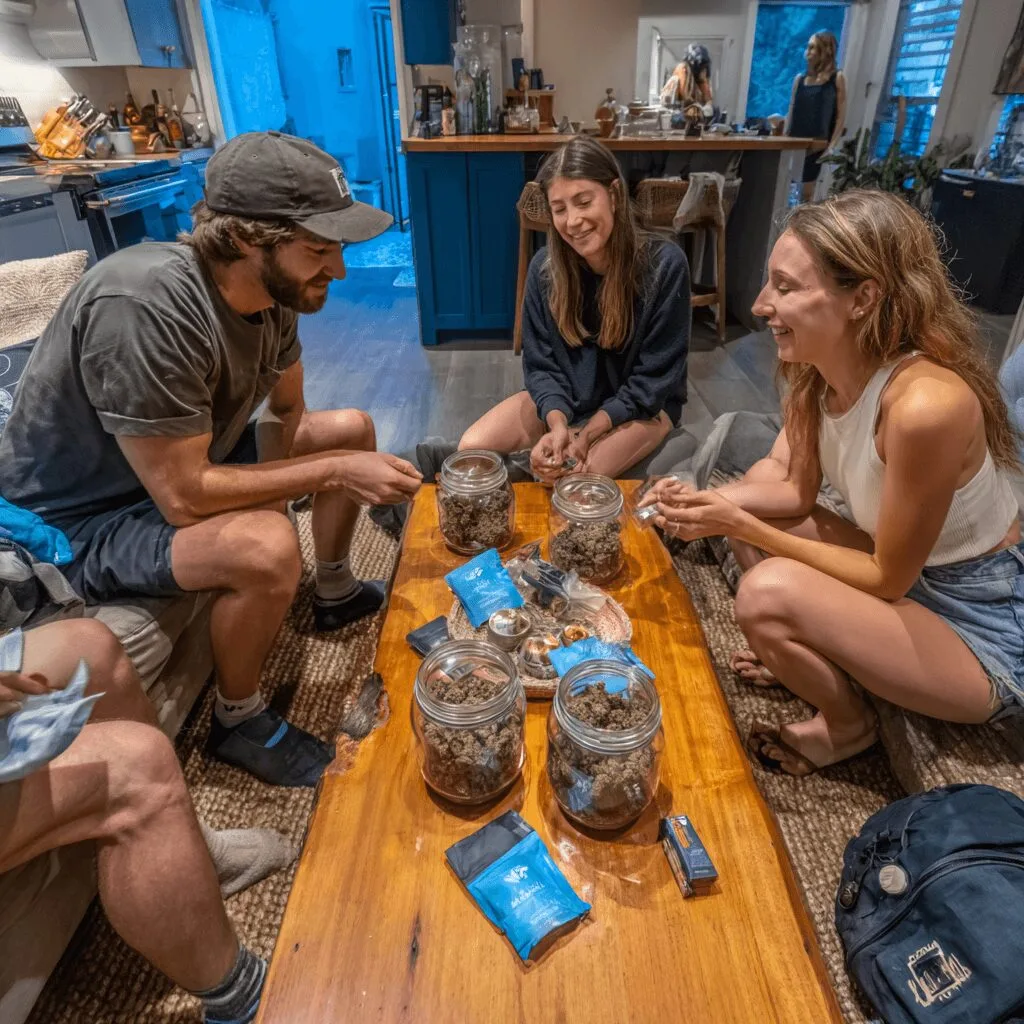
Nonclinical psilocybin trends aren’t just a flash in the pan—they’re the next chapter in a larger story of openness and growth within the broader wellness world. Cannabis normalization set the stage for public, policy, and industry conversations that look at all plant medicines with fresh eyes. Major publications like Leafly and respected health advocates agree: responsible, educated use paired with clear regulation is the best roadmap forward. The hope is that lawmakers, researchers, and advocates can bridge the gap between policy and practice, just like we’ve seen with cannabis legalization. With nonclinical psilocybin trends crossing from subculture to mainstream, it’s an exciting time for those ready to champion safety, quality, and innovation. Here’s to a future as vibrant as a dispensary display, and as welcoming as a living room circle of friends.
Originally reported by: ama-assn.org