


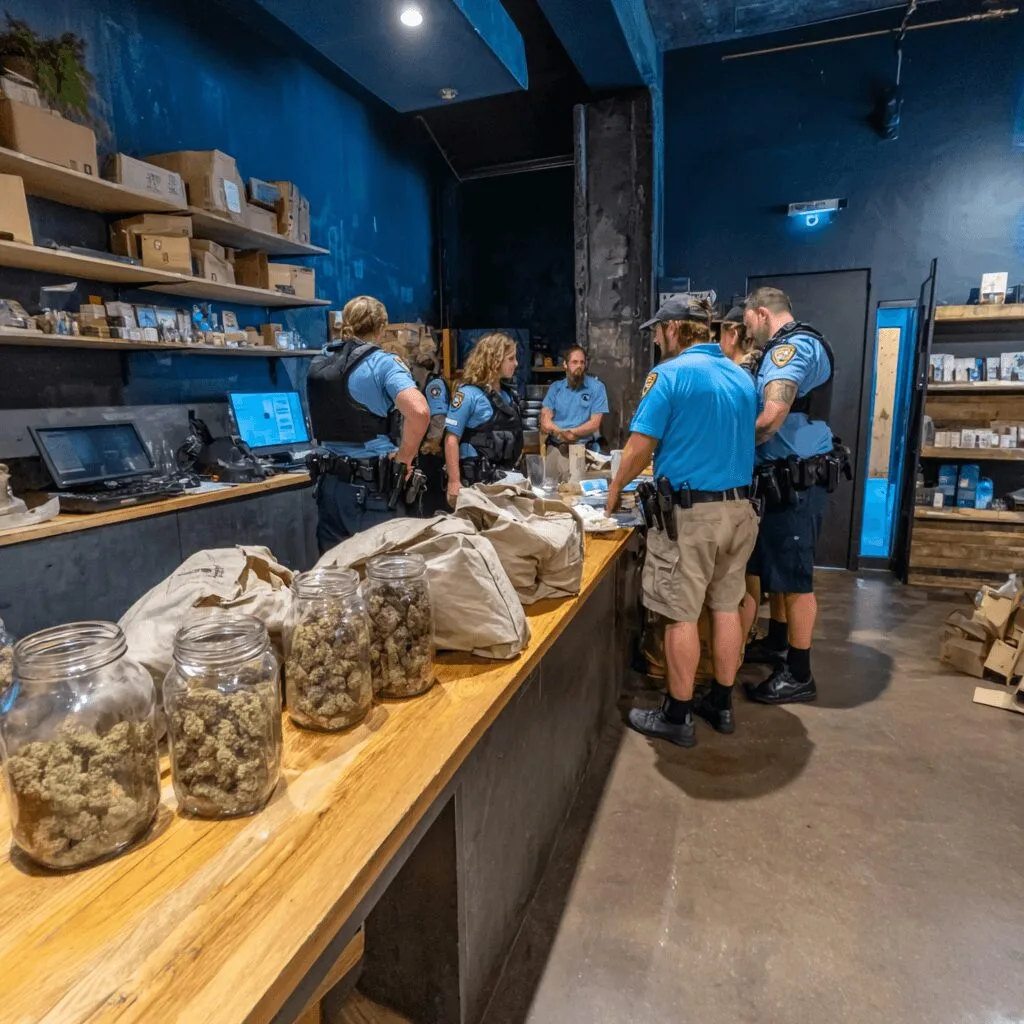
Baltimore marijuana business raid: 65 pounds seized, 3 arrested
Right now, the cannabis scene in Maryland is rolling through such a wild transformation that every bust, every headline, and every regulatory tweak feels extra loaded. The Baltimore marijuana business raid isn’t just a headline—it’s a flashpoint conversation for advocates, entrepreneurs, consumers, and communities trying to make sense of changing laws and shifting attitudes. With legalization momentum, but gray areas still clouding retail, the result is moments like this: real people and real livelihoods in the crosshairs of enforcement. In this story, we’ll explore how this latest Baltimore marijuana business raid unfolded, what drove it, and why it matters in Maryland and beyond. We’ll break down legal context, core events, industry-thinking, and what comes next for cannabis reform.
The Regulatory Maze: Cannabis Law in Baltimore and Maryland
No doubt, the rules of legal cannabis in Maryland are as complex as a triple-infused edible. While Maryland legalized medical cannabis back in 2014 and recreational use for those 21+ became law in 2023 (Maryland Cannabis Administration), the line between legit enterprise and outlaw status is razor thin. Only state-licensed dispensaries can legally sell cannabis for adult use. But high demand and slow licensing have fostered a surging underground market, especially in urban spots like Baltimore. Many risk crossing over into illegal sales to cover costs or meet customer needs, often unaware they’re in violation until law enforcement comes knocking. Regulatory shakeups in other regions, like the recent zoning decisions in Polk County, show how varied approaches to local cannabis policy can create similar tensions. According to NORML, penalties for illegal sales remain stiff, and raids have spiked as authorities try to balance state law with federal prohibition. Social justice, legacy operators, and shifting cultural acceptance all add pressure to Maryland’s evolving cannabis climate, making enforcement like the Baltimore marijuana business raid both controversial and emblematic of a wider struggle.
The Raid: Details, Arrests, and Community Fallout
The Baltimore marijuana business raid landed with a thud on June 14, when local police executed a search warrant at a retail shop near downtown Baltimore, suspected of unlicensed cannabis sales. Officers seized a heavy 65 pounds of cannabis flower—plenty to catch headlines but also a sharp reminder of ongoing enforcement. Stories of heightened enforcement and high-profile criminal cases are not unique, as seen in other states with growing cannabis industries; in fact, communities in Maine have recently faced their own high-stakes marijuana cases with similar fallout. According to CBS News Baltimore, officers discovered duffle bags loaded with green plant material and large glass jars filled with trimmed buds clearly intended for distribution. Three individuals, reportedly staff and management, were arrested and charged with illegal possession with intent to distribute. The raid caused visible tension in the neighborhood, and local business owners expressed concern about disproportionate enforcement and how such sweeps disrupt trust in communities that have long relied on cannabis economics, legally or not. Official statements from police highlighted a commitment to “protecting public health and legal businesses,” but didn’t clarify how cases like this would be handled if defendants seek licensure or social equity status. The Baltimore marijuana business raid thus reignited the debate over who gets to participate, and profit, in Maryland’s maturing cannabis economy.
Industry Reactions: What the Baltimore Marijuana Business Raid Means for Legalization
Events like the Baltimore marijuana business raid spark intense debate in cannabis circles. There’s no doubt illicit sales can undermine licensed operators and potentially threaten public safety. But there’s another side. Many see enforcement as out of touch with current consumer norms, fueling distrust rather than fostering transparency. As Leafly News points out, “Legacy markets paved the path for legalization, and their operators shouldn’t be left out of the future.” Dr. Peter Grinspoon, a renowned physician and cannabis advocate, told Forbes, “Legalization should mean less criminalization—not just a new set of winners and losers.” In other mature markets, like Michigan, changes to the legal framework have profoundly impacted daily life—offering both opportunity and new challenges for operators and consumers alike. Many advocates highlight that delays in licensing, high barriers to entry, and limited social equity programs are fueling black-market persistence in Maryland and across the country, echoing wider trends observed in states like California and Illinois. The Baltimore marijuana business raid is one in a string of enforcement actions reminding everyone that, even in 2024, the journey to normalized, accessible cannabis is still packed with legal landmines and real-world consequences.
Looking Ahead: Can Raids Become Relics?
Despite setbacks like the Baltimore marijuana business raid, the momentum for fair, effective cannabis reform in Maryland remains strong. Each headline—however fraught—is a chance for advocates, lawmakers, and entrepreneurs to demand smarter regulations that put community, equity, and consumer protection first. According to the Marijuana Business Daily, legal cannabis sales and tax revenue keep surging, making stricter but more transparent pathways to licensure not just possible, but necessary. The ultimate goal? Less chaos, less stigma, and a fully regulated market where raids become rare historical footnotes, not frequent headlines. If Maryland seizes this moment, today’s conflicts can be the seeds for tomorrow’s inclusive, thriving cannabis economy—one where stories like the Baltimore marijuana business raid are replaced with tales of social equity, neighborhood investment, and positive change.
Originally reported by: cbsnews.com