



Beer Industry THC Regulations: What Brewers Need to Know
The world of craft beer isn’t what it used to be — thanks to the explosive rise of cannabis-infused drinks. Right now, the buzz around beer industry THC regulations is at its peak, and for good reason. With lawmakers pushing for stricter rules and breweries in Minnesota caught in the crossfire, there’s real money, culture, and community at stake. This guide breaks down what’s driving these regulatory changes, why the stakes are sky-high, and how both brewers and cannabis fans can navigate the next phase together.
Regulatory & Social Background: How Beer and THC Laws Collide
Beer industry THC regulations operate in a tangled web of state and federal oversight. Beer’s been legal, and heavily controlled, for decades, shaped by the Alcohol and Tobacco Tax and Trade Bureau (TTB), and state licensing boards. Cannabis, on the other hand, still lives in a weird limbo — federally illegal (according to the DEA schedule), yet embraced and taxed in a growing list of states. The intersection gets even messier for THC-infused beverages, which straddle alcohol, cannabis, and food safety statutes. Minnesota is a top example, where hemp-derived THC drinks are fair game (Minnesota Department of Health notes their unique stance), but national clarity is nowhere close (National Conference of State Legislatures). This push-and-pull leaves brewers fighting for a competitive edge, while policymakers race to protect public health and tax revenue. In this landscape, zoning decisions can have a profound impact on local businesses navigating these regulations, as seen recently in Polk County’s cannabis zoning shakeup. Consumers, meanwhile, just want transparency, and their favorite brew with a little extra “chill.”
Key Developments & Issues: Brewers, Feds, and the Battle Over THC Drinks
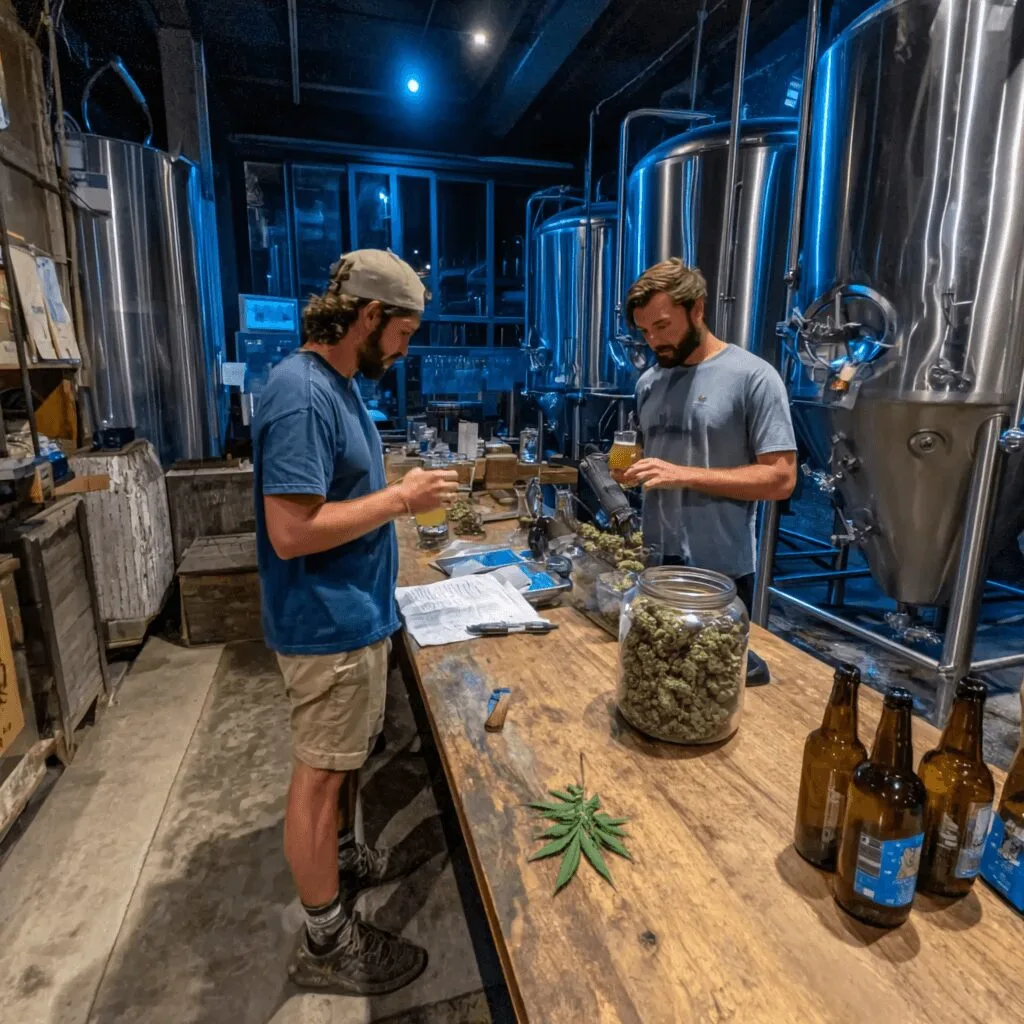
The story hit national headlines as Minnesota’s beer industry sounded the alarm: the federal government is being urged to crack down on beer industry THC regulations. According to recent reports from trusted local news outlets, major breweries and beverage associations have seen a surge in THC-infused seltzers, lagers, and hybrids flooding the market. This trend took off after Minnesota legalized hemp-derived THC drinks in July 2022 (MPR News), which turned the state into a surprising trailblazer for the entire country. Policymakers are especially concerned about issues like underage access, unclear dosage labeling, and legal risks for drivers. As states like Oklahoma introduce new laws addressing cannabis impairment behind the wheel, it’s increasingly clear that legislative changes impact more than just the beverage market, but driving risk and compliance as well (learn more about Oklahoma’s impaired driving marijuana laws). The pressure’s mounting for U.S. Congress to either harmonize or tighten beer industry THC regulations nationwide, with all stakeholders jockeying for a seat at the negotiation table.
Expert Analysis: Why the Stakes Are Higher for Beer and Cannabis Together
The convergence of beer and cannabis is changing more than just what’s on tap, it’s transforming sector rules and market opportunities. According to industry specialists at Beverage Daily, the most successful THC-infused beer brands are those with airtight compliance teams and innovative recipes that respect both alcohol and cannabis laws. Amy Jenkins, a policy strategist and regular contributor for Green Entrepreneur, notes: “The lines aren’t just blurred, they’re being redrawn every time a state updates its rules, but companies that invest in transparency and public education will thrive.” Regulation and expert debates over federal legalization and industry best practices are taking center stage, which has spurred significant discussion among academics and policy experts (as seen during expert clashes at Harvard over shifting psychedelic therapy policy). If handled right, these new beer industry THC regulations could drive innovation and legitimize a whole new class of drinks.
The Future: A Toast to Grown-Up Solutions and Industry Synergy
So what’s next for beer industry THC regulations? Frankly, more debate, more rulemaking, and a lot of creative problem-solving. But there’s real hope bubbling up. As social acceptance of cannabis grows and states refine their approaches, brewers and cannabis entrepreneurs have a huge chance to collaborate instead of compete. The sector’s history of adapting fast — from prohibition to craft beer booms — proves change can be good. Major voices like Leafly and the Brewers Association back the idea that clear, fair regulations will let responsible innovation thrive. With education, industry dialogue, and open minds on all sides, THC-infused beer could become a beloved, regulated mainstay. Crack open a cold one — the future of beverages just got a lot more interesting.
Originally reported by: minnpost.com