





Driving High with Child: The Shocking Truth Revealed
Let’s get real—cannabis is going mainstream, but conversations about its responsible use aren’t keeping up. The topic of people driving high with child in the car is front and center in the news and stirs heated debate. With legalization sweeping the country and parental cannabis use on the rise, understanding the risks, legal issues, and impacts on families is crucial. In today’s climate, one mistake can trigger not just legal trouble, but also a major public backlash. In this deep dive, we’ll break down what’s happening, spotlight the latest headline case, and offer insight from seasoned cannabis experts you won’t get anywhere else.
The Evolving Legal and Social Climate Around Cannabis and Parenting
It’s no secret, cannabis laws in the United States are a wild patchwork. More than 20 states now allow recreational use, and even more are okay with medical, but the rules about driving high with child in a vehicle? That’s a major gray area.
Federal law remains crystal clear, Driving under the influence (DUI) of any substance—cannabis included—is illegal in all 50 states, especially when a child’s in the car. According to the Centers for Disease Control and Prevention (CDC), drug-impaired driving is a major factor in traffic fatalities. Most state child endangerment laws stack heavy penalties for anything resembling driving high with child endangerment. With legalization surging, authorities and parents alike are navigating new territory and conflicting public attitudes. Recent community debates over local marijuana policies reflect how courts and social services are scrutinizing cannabis use by parents—sometimes even more harshly than alcohol or prescription drugs (refer to NORML for evolving case law). Inside cannabis communities, though, there’s robust discussion, What’s actually risky compared to what’s simply stigmatized? It’s a question we can’t ignore as society adapts to new norms.
Latest Case, Watertown Incident Puts Driving High with Child in the Spotlight
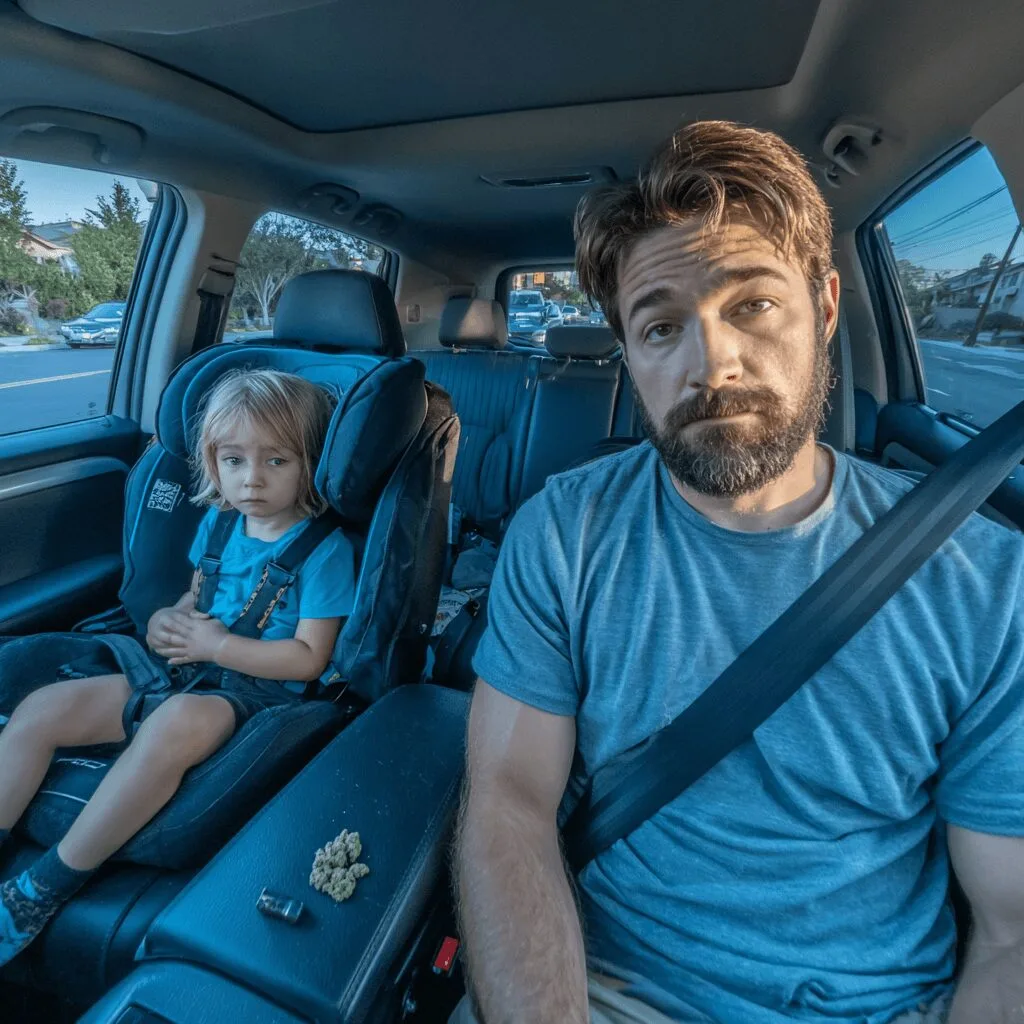
On November 5th, 2025, police in Watertown, New York made headlines by arresting a local man for allegedly driving high with child in his vehicle. According to reports by WWNYTV, the man was pulled over after officers observed erratic driving on a typical suburban street. Upon investigation, officers detected the odor of cannabis and found a young child strapped in a booster seat. Officers allegedly discovered cannabis residue and rolling papers scattered in the car’s interior.
This is not the first such case. Local authorities report a “concerning uptick” in driving high with child incidents since recreational cannabis became more accessible statewide. New York’s Department of Motor Vehicles (DMV) has launched awareness campaigns warning of stiff penalties—not just for impaired driving itself, but for any action endangering minors. Recent changes to hemp and THC regulations in other states highlight how local rules on cannabis products can impact family legal matters. Charges in this case reportedly include driving under the influence and child endangerment, both of which can lead to license suspension, major fines, community service, and even potential jail time. Experts point out that in many states, child services investigations automatically kick off when parents are found driving high with child. All told, the Watertown story is a wakeup call about how new cannabis freedoms can sometimes collide with everyday family responsibilities, and the serious consequences that can follow one bad decision.
Expert Analysis, Cannabis, Driving, and the Real Risks for Families
Let’s cut through the smoke, most cannabis users are fiercely against driving high with child, and for good reason. Numerous studies—including a 2019 NCBI meta-analysis—demonstrate that THC can slow reflexes and impair judgment. When a child’s on board, the risks multiply.
But here’s the human context, cannabis is legal for millions, and the majority of parents who consume do so responsibly. Reports such as the latest research on cannabis and tobacco use risks reinforce the need for clear education. According to a Leafly report, education—not prohibition—is the key to reducing harm. Jessica Billingsley, CEO of Akerna and longtime industry thought leader, explains, “Our movement is about responsibility and respect. There’s no room for driving high with child. But we must educate, not demonize, parents who use legally.” Her perspective, mirrored by groups like Americans for Safe Access, urges a shift away from punishment toward informed parental choice. Data also shows that increased access to cannabis education and clearer legal guidelines leads to fewer driving high with child incidents overall, suggesting that the right mix of law, culture, and resources can truly move the needle.
Looking Ahead: A Safer Future for Cannabis and Families
The Watertown case—and the wider debate about driving high with child—underscores just how far society has to go in blending legalization with real-world safety. The cannabis industry is responding, investing in public outreach and science-driven risk messaging like never before. Regulatory improvements are happening at state and federal levels (Marijuana Policy Project tracks changes nationwide). Most importantly, cultural attitudes toward parents who use cannabis are gradually modernizing, moving away from stigma and toward support and education.
Bottom line: Responsible cannabis culture means being a step ahead of the law and always putting kids first. As research evolves and society adjusts, expect stricter but smarter regulations—and far fewer tragic headlines about people driving high with child. This is the reality check and catalyst for positive change our industry needed.
Originally reported by: wwnytv.com



1 Comment
Pingback: Marijuana Charge Northwest Iowa: What You Need to Know Now