




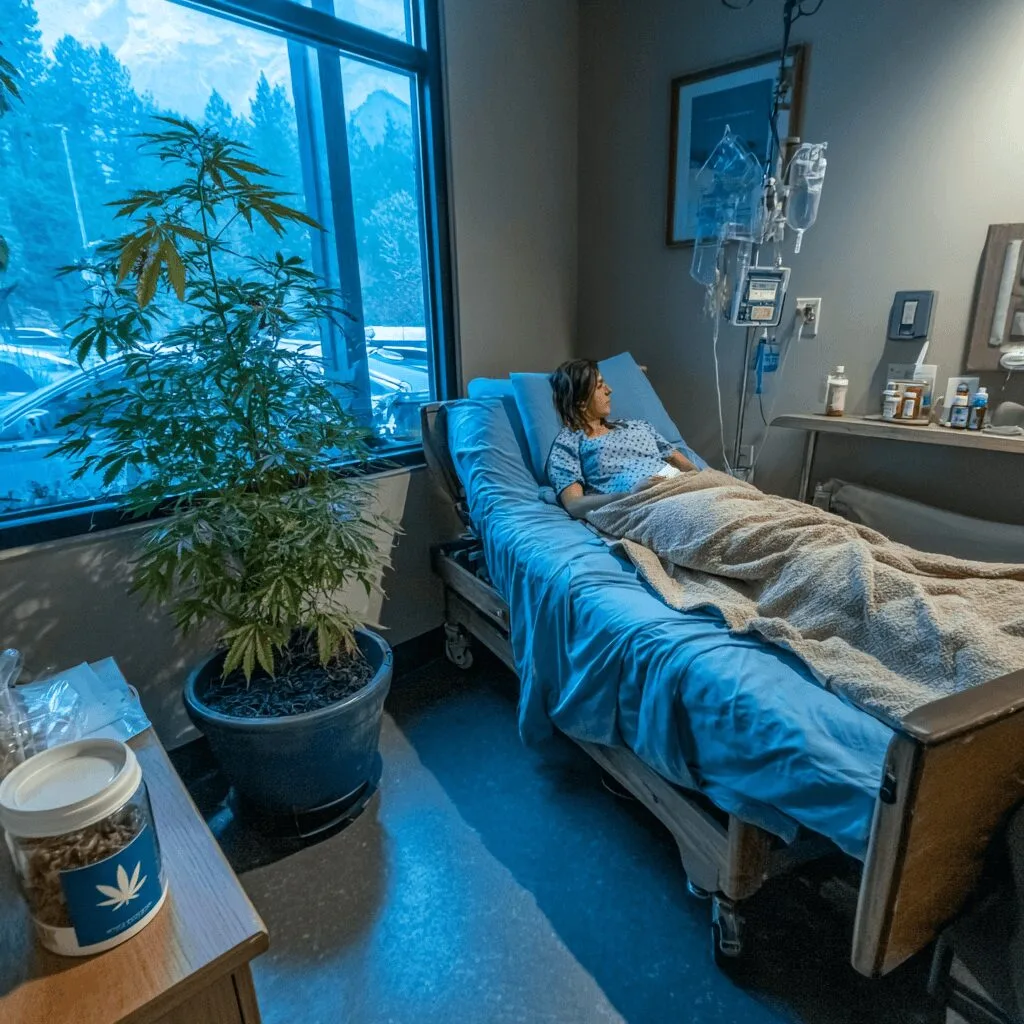
How Medical Marijuana Opioid Use Cancer Trends Could Change Lives
If you’ve kept your finger on the pulse of medical policy, cancer treatment, or chronic pain relief, you already know the world is rethinking its stance on cannabis. The intersection of medical marijuana opioid use cancer is now front and center, driven by growing evidence, shifting laws, and the urgent need for alternatives to traditional pain meds. Patients, physicians, and policymakers alike are wrestling with how medical marijuana might disrupt the opioid status quo—especially for folks fighting cancer. Let’s dive into what’s stirring the pot right now, from regulatory shakeups to frontline hospital impacts, and why this is one trend nobody can ignore.
The Regulatory, Market, and Social Landscape of Medical Marijuana, Opioid Use, and Cancer Care
Over the past decade, mainstream attitudes toward cannabis have mellowed out fast, but confusion and patchwork laws still complicate access. Twenty-four states have legalized medical marijuana, according to the National Conference of State Legislatures, and five have gone fully recreational. Yet, persistent federal illegal status leaves healthcare systems in legal limbo. For cancer patients, who often need strong pain relief, the clash of opioid restrictions (driven by the opioid crisis) and the promise of medical cannabis creates a unique landscape. Hospital policies are evolving in real-time. Social stigma around medical marijuana opioid use cancer is finally fading, with the once-taboo concept gaining acceptance, but insurers and regulators still scramble to keep up. As advocacy and legal reforms gain momentum in regions across the country, you see support growing especially as residents push for change in states prioritizing marijuana legalization, making patient access clearer with policy updates. According to a recent JAMA review, states with medical cannabis laws are seeing changes in opioid prescription patterns and reduced opioid-related hospital visits among certain patient groups, shining a much-needed light on alternative therapies for cancer-related pain. The path ahead is full of twists, but the discussion is more relevant, and real, than ever.
Recent Developments: Medical Marijuana, Opioid Use, and Cancer Patients in the News
Let’s hit the latest headline: A study highlighted by Oncology Nurse Advisor revealed that legalization of medical marijuana is linked to fewer opioid-related hospital stays among cancer patients. That’s huge. According to data gathered from the Healthcare Cost and Utilization Project, states that rolled out medical cannabis laws saw a measurable reduction in opioid use for post-operative pain following cancer surgeries. There was a 20% drop in opioid-related hospitalizations among these patients, with the most pronounced effects after state-level legalization between 2010 and 2019.
- Hospitalized cancer patients in legalized states used fewer opioids after surgery.
- Researchers compared opioid-related visits before and after state medical marijuana laws took effect.
- Data was pulled from opioid-related ER and inpatient stays, with adjustments for cancer type, procedure, and patient demographics, providing a snapshot of how different states are handling these evolving policies and protocols, as seen by recent dispensary regulations updates in the nation’s capital.
The research comes as the CDC warns of continuing opioid misuse and deaths, highlighting the dire need for pain management alternatives. Hospitals and healthcare professionals are now tasked with rewriting protocols, and patients are finally seeing less harsh options on the table. Major academic hospitals are responding, building interdisciplinary teams focused on cannabis research. Patients in states like California and Illinois are leading the way, thanks to progressive medical cannabis programs and strong advocacy at the policy level, as detailed by Leafly. Similar progress is seen in legal system innovations that address changing public sentiment, such as legal actions challenging cannabis regulations in Massachusetts, showing the importance of regulatory responses.
Expert Insights and Pro-Cannabis Perspectives: Why It Matters for Cancer, Opioids, and Beyond
So, what does all this mean for real people slogging through cancer, and the long slog of opioid dependence? Industry pros are pumped, but cautious. According to Dr. Donald Abrams, a leading oncologist and cannabis research advocate quoted in National Cancer Institute materials: “It’s not about trading one drug for another, but finding safer relief for pain and symptoms when people need it most.” That’s the bottom line. Substituting opioids with medical marijuana, especially in cancer care, can reduce side effects and dependency risk, but research must be transparent and ongoing.
Patients with medical marijuana opioid use cancer face uncertainty, but experience real improvements. Advocacy organizations like Americans for Safe Access and publications such as Project CBD argue that stigma is the final hurdle; the science is stacking up in favor of compassionate policy. “We want policies rooted in evidence, not fear,” Project CBD notes, emphasizing better patient outcomes. The current shift echoes broader harm-reduction momentum. Even cautious medical boards admit cannabis may be the missing link for those wary of the opioid trap. For cancer survivors, particularly in communities inspiring others through visibility and support, fundraising events like those that empower women after mastectomy help change the landscape for recovery and hope. No one’s claiming cannabis is a miracle, but it’s certainly no longer just a punchline or last resort in the medical toolkit for opioid use or cancer symptoms.
The Road Ahead: Cannabis, Opioid Reform, and Hope for Cancer Patients
The intersection of medical marijuana opioid use cancer is where hope, science, and public policy collide. Cannabis is gaining ground as a proven pain management alternative and quality-of-life booster for cancer patients. Regulatory momentum is mounting—at the state level, at least. New studies, policy recommendations, and hospital protocols promise greater access and more informed choices. The key will be open-minded collaboration among lawmakers, clinicians, patients, and advocates. As social acceptance grows, insurance coverage and federal reforms are likely next on the horizon. According to the Marijuana Business Daily, investment in medical research and patient-focused care models is set to explode. The future is bright—and a little greener. With every policy reform and study published, medical marijuana opioid use cancer will move closer to the medical mainstream, empowering patients and changing lives, one hospital room at a time.
Originally reported by: oncologynurseadvisor.com