


Massachusetts cannabis testing lawsuit: What You Must Know
The Massachusetts cannabis testing lawsuit is making big waves right now, and it’s about much more than just lab results. As the cannabis industry keeps growing, everyone—from homegrowers to major dispensaries—wants to know: are our products safe, and is the science sound? With recent legal action rocking market confidence, understanding this lawsuit is crucial for consumers, operators, and advocates alike. Let’s break down what sparked the fuss, why it matters today, and what you need to watch for next.
Understanding the Landscape: Background & Context
Massachusetts sits at the forefront of East Coast cannabis, pioneering adult-use sales since 2018 (Cannabis Control Commission). Rigorous testing requirements are in place to ensure only the cleanest, most accurately labeled cannabis hits the shelves. From potency stats to contaminants, third-party labs serve as the industry’s gatekeepers. But, with wicked high stakes, millions of dollars on the line, distributors demand absolute trust in the system. Recent national headlines, including scandals over lab manipulation and inflated THC in other states (Leafly), have shown how pivotal that trust is. In fact, when tax and regulatory changes upend expectations, as seen with the ripple effects of the Michigan cannabis wholesale tax hike, markets across the country pay close attention. And Massachusetts, with its strict consumer protection laws, is ground zero for legal showdowns when doubts arise. Add in Chapter 93A (the ‘Massachusetts Consumer Protection Act’), and you get a regulatory environment where lawsuits can erupt if businesses, or labs, get even a little shady.
Key Developments & The Massachusetts Cannabis Testing Lawsuit
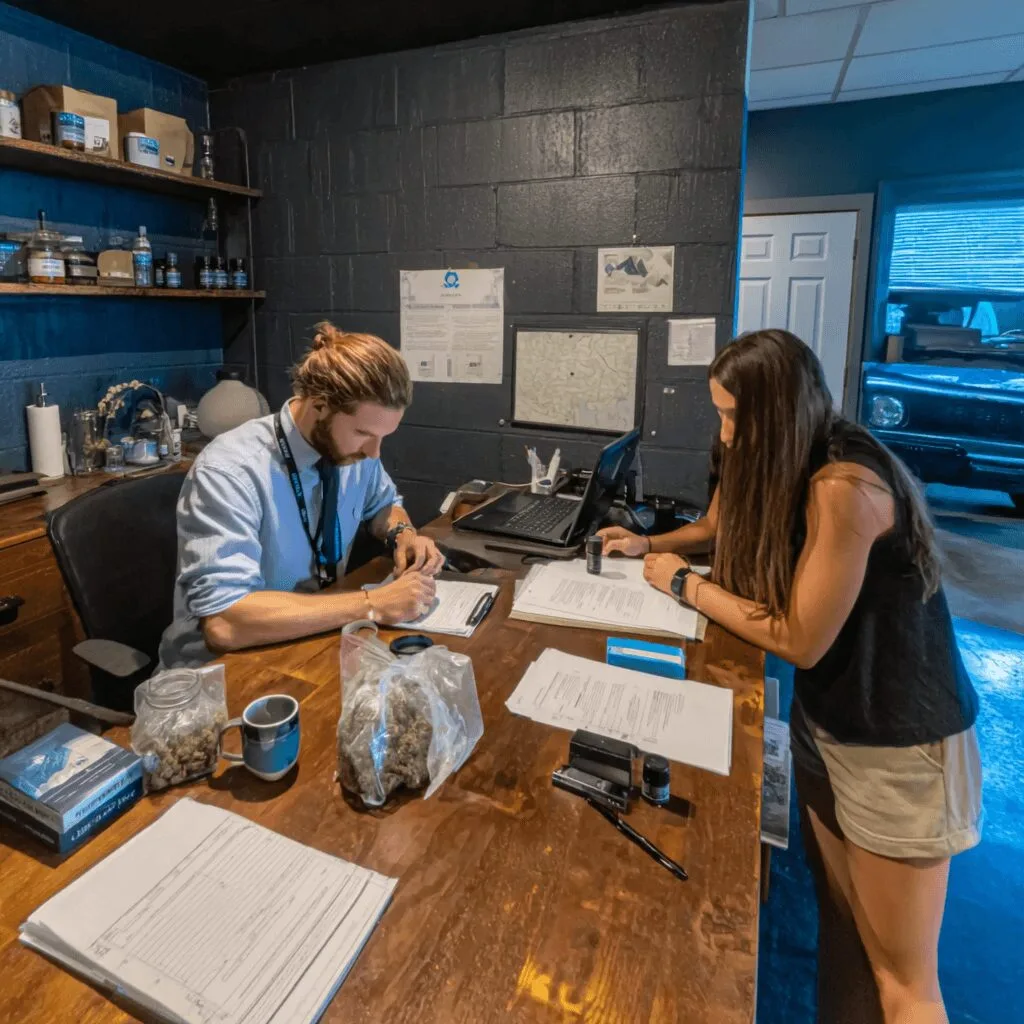
So, what’s actually brewing in the Massachusetts cannabis testing lawsuit? In late October 2025, several licensed cannabis businesses sparked a major legal fight after alleging that a well-known state-certified lab manipulated test results. These claims included accusations that the lab, GreenX Labs, allegedly inflated THC percentages and omitted evidence of pesticides to push more flower onto shelves (Massachusetts Lawyers Weekly). The plaintiffs, led by regional operator Coastal Green, cite financial harm and loss of consumer trust. Legal documents claim that tainted or misrepresented cannabis entered the market between mid-2024 and fall 2025. The suit leverages Massachusetts’ Chapter 93A protections, which allow punitive damages if businesses engage in unfair or deceptive practices. According to court filings, state authorities are reviewing lab protocols while the industry holds its breath. Meanwhile, competing labs and advocacy groups have joined the fray, calling for clear transparency and updates to state lab guidelines (Boston Globe). Heightened oversight in state-licensed testing environments can be compared to the scrutiny seen after high-profile enforcement actions such as major marijuana raids that have rocked local scenes elsewhere. While the outcome is pending, the Massachusetts cannabis testing lawsuit has already spurred calls for statewide reform and renewed scrutiny across local news outlets and industry publications.
Expert Analysis & Cannabis Advocate Insights
Let’s get real, a lawsuit like this doesn’t blow up unless bigger industry tensions are simmering beneath the lab coats. For many, it’s a wake-up call about how legal weed’s safety net needs more than paperwork and test tubes. Kymberly M. Lee, a prominent voice in cannabis law, put it best in an interview with Marijuana Moment: “Consumers deserve assurance that what they’re buying is truly what’s in the package, no shortcuts, no coverups.” As more states legalize, the pressure to deliver truly safe, honest products is at an all-time high. The Massachusetts cannabis testing lawsuit pushes everyone, from regulators to CEOs, to double down on transparency and keep building public trust. It’s also forcing the industry to navigate new frontiers for lab tech, tracking, and consumer protection. Public debates about things like Delta-8 THC regulations and national legal standards reflect how the lessons learned here could impact broader markets. While the specifics here are Massachusetts’ own, the big lesson is universal: transparency, oversight, and accountability are the foundations of any serious cannabis market. For operators in Massachusetts and beyond, this lawsuit is a major motivator to stay sharp and avoid similar headaches.
What’s Next? Bright Spots and Big Questions for Cannabis in Massachusetts
No industry with this much hype grows without some legal drama. The Massachusetts cannabis testing lawsuit is tough, yes—but it’s also what happens when people care deeply about product quality and public health. This legal battle could lead to tighter oversight and even stronger consumer protection, just as the industry matures (Cannabis Business Times). Operators, advocates, and regulators are now working together to patch gaps and raise testing standards. That’s healthy—including for consumers. Despite the speed bumps, Massachusetts remains a national leader in responsible cannabis regulation and market innovation. The industry’s growing pains should be seen as steps toward lasting credibility and acceptance. More robust testing, greater transparency, and public trust are all up for grabs as the system evolves. Stay tuned—Massachusetts is still setting the East Coast pace and keeps rolling toward a brighter green future.
Originally reported by: masslawyersweekly.com