



How Cannabis Tax Funding is Transforming Local Projects
Cannabis tax funding is no longer just a buzzword—it’s driving real change, right at the heart of local communities. From infrastructure repairs to the beautification of small-town parks, taxes from regulated cannabis sales are fueling upgrades that residents notice every day. As legal cannabis markets expand and more states capitalize on this steady revenue source, the impact of cannabis tax funding is rippling far beyond dispensary doors. In this piece, we’ll take a look at the latest development in Wading River, New York, where cannabis tax funding just paved more than a road—it’s paving the way for new possibilities. We’ll also spotlight the social, legal, and industry forces making all this possible.
Understanding the Roots: Background on Cannabis Tax Funding
To appreciate the latest news, you first need to get the bigger picture about cannabis tax funding. Since adult-use legalization took off in states like Colorado and California, governments nationwide have explored how to funnel tax dollars from cannabis into meaningful projects. As reported by Leafly, billions in cannabis tax revenue now support everything from education to infrastructure. New York, forging its path with the 2021 Marijuana Regulation and Taxation Act (MRTA), established a dedicated framework so cannabis tax funding goes directly into state and local initiatives. According to state regulators, portions of each cannabis sale are earmarked for community projects, making funds transparent and predictable. In many places, new regulations have ignited local debates and industry buzz similar to what was seen during recent public meetings in New Orleans. With a national conversation growing around responsible cannabis revenue use, communities are seeing these dollars at work on their streets, schools, and public spaces. The local Cannabis Revenue Fund, a hallmark of MRTA, prioritizes reinvestment within communities most impacted by past cannabis prohibition, amplifying social equity efforts.
Key Developments: How Cannabis Tax Funding is Paving Change in Wading River
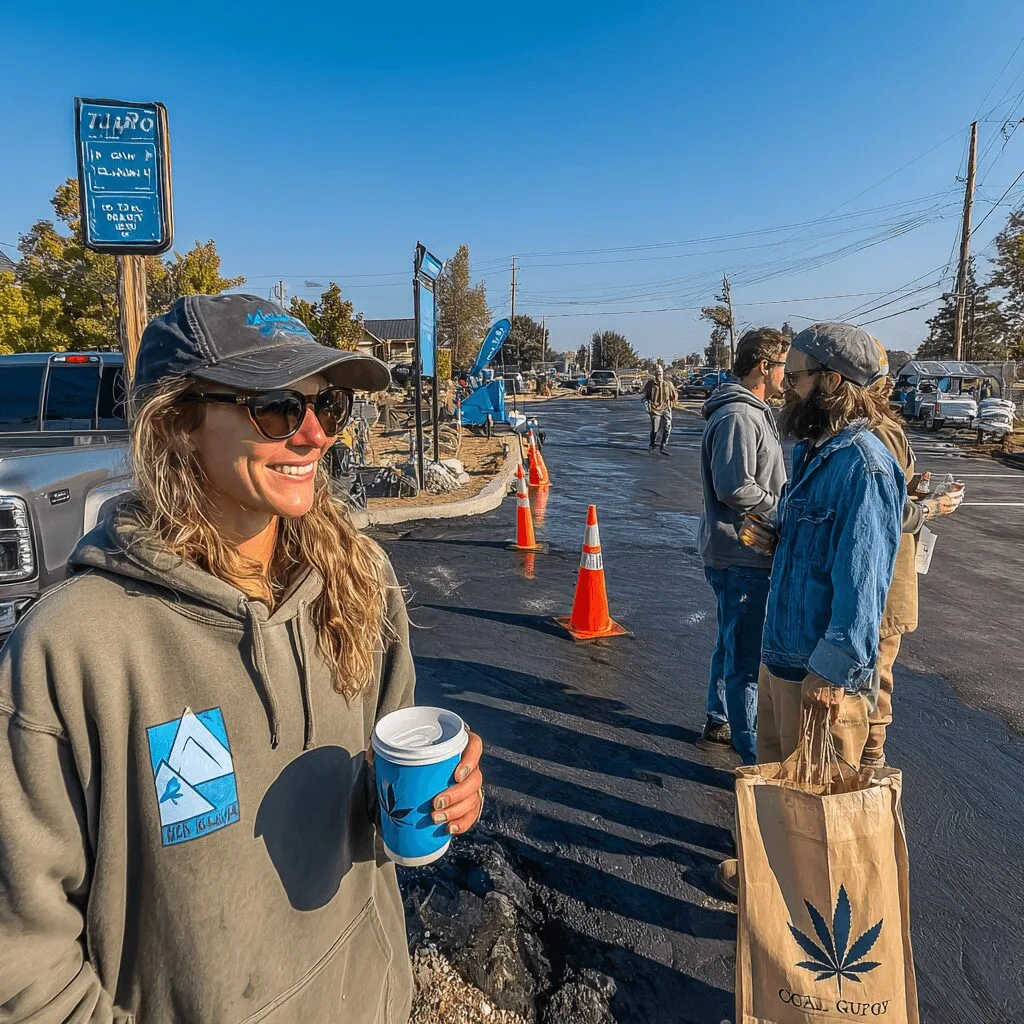
Let’s talk details, because it’s not just hype. As reported on November 10, 2025, Wading River’s community park is the latest recipient of cannabis tax funding, used to repave its public parking lot. According to the Riverhead News-Review, proceeds from local cannabis sales are directly funding the lot’s resurfacing, with Riverhead town officials confirming this marks a new era of infrastructure support. Town board member Sarah Said highlighted that the $80,000 project, previously delayed for years due to budget shortfalls, was finally greenlit thanks to cannabis tax funding.
- The project began in early November 2025.
- Local labor crews handled the construction, keeping jobs and dollars inside the community.
- Funds came through Riverhead’s designated share of the Cannabis Revenue Fund, activating a long-stalled improvement.
Officials also noted that this is just the start, with more parks and road repairs slated for 2026 as cannabis tax funding grows. The shift to allocate these funds openly strengthens public trust and demonstrates real, visible benefits to legalization. Community members observed that this movement was reminiscent of similar efforts in other regions, such as initiatives addressing municipal marijuana rule changes in South Lake Tahoe. Even some skeptical residents cheered the improved lot, seeing firsthand how responsible cannabis regulation pays dividends for everyone.
Expert Analysis: What Sets Cannabis Tax Funding Apart
The story unfolding in Wading River offers plenty for cannabis industry insiders and advocates to celebrate. This project signals that cannabis tax funding is entering a stage of mainstream, high-stakes relevance. As MJBizDaily points out, dedicated tax revenue is a game-changer for local governments eager to solve old problems with new dollars. The transparency and earmarking of these funds means that taxpayers can see clear returns, while regulators have a roadmap to responsible oversight.
As cannabis policy lawyer and activist Shaleen Title said, “Cannabis tax funding gives us an unprecedented opportunity to build back trust and reinvest, especially in the neighborhoods that need it most.” (Civilized).
Wading River’s parking lot might seem small, but it’s a microcosm of a much larger trend. Market data from Headset show that states investing cannabis tax revenue into visible, everyday projects report higher rates of public satisfaction and legalization success. Some experts point to how victories in related spheres, like when industry workers achieved union strike success, have further validated the positive impacts of including all stakeholders. While critics warn about over-promising, many point to the evolving best practices and the robust, ongoing oversight now baked into statues like New York’s MRTA. With cannabis tax funding tightly tracked, stakeholders can quickly adapt to new needs, maximize outcomes, and fine-tune priorities with each budget cycle.
Future Outlook: Where Cannabis Tax Funding is Taking Us
If you wanted proof that legal weed makes communities stronger, look no further than stories like Wading River’s. Cannabis tax funding is shifting perceptions, building local pride, and driving new discussions around social equity and responsibility. As more states lean into recreational sales and national norms evolve, expect these success stories to multiply. Regulatory hurdles and cautious rollouts still exist, but the pathway forward is built on real-world returns—not just political slogans. Soon, we’ll move past basic infrastructure to see cannabis tax funding powering education, healthcare, and environmental upgrades. This is a green wave grounded in accountability, equity, and a genuine commitment to community. That’s the future cannabis is paving—one project, one park, and one neighborhood at a time.
Originally reported by: riverheadnewsreview.timesreview.com