



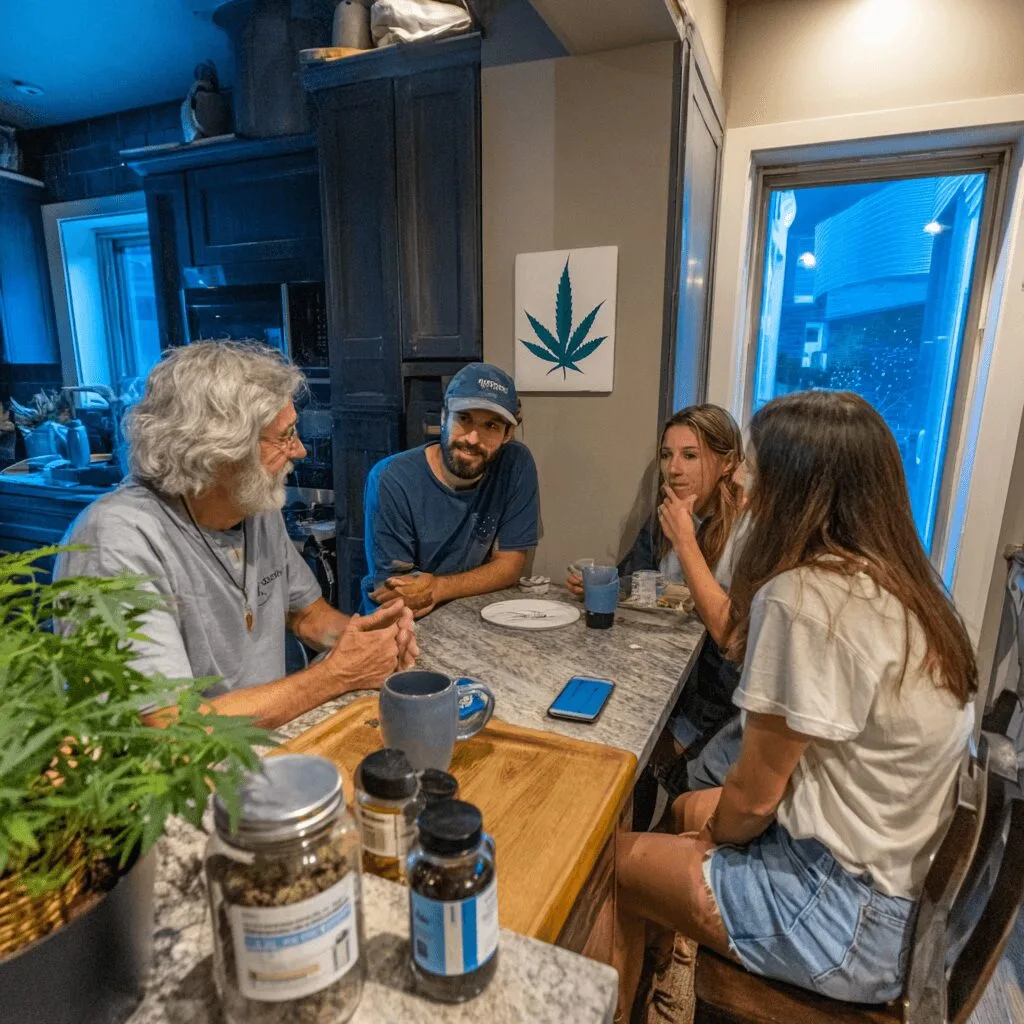
If you’ve been keeping tabs on cannabis news, medical cannabis implementation is heating up as a major topic for communities, lawmakers, and families across the country. With new policies rolling out and states redefining access, the conversation isn’t just happening in legislation—it’s happening in living rooms and kitchen tables. Today, more people want to understand what it means when apprehension gives way to practical steps. This article breaks down the latest shifts, unpacks concerns, and explores how everyday folks are reshaping expectations around medical cannabis access.
Background: The Road to Widespread Medical Cannabis Implementation
Medical cannabis implementation isn’t just a catchphrase, it’s a significant marker of how U.S. health policy and social attitudes are evolving. Since California led the charge back in the ’90s, over 37 states now have some form of legalized medical cannabis according to the National Conference of State Legislatures. Yet the journey’s been rocky, with each state tailoring its approach amid federal prohibition still lingering in the background. For example, California’s unique path to legalization has had unexpected consequences for tribal communities, as seen in recent challenges faced by tribal lands due to state cannabis regulations. Patients, clinicians, and advocates have pushed for safe, regulated access, but patchy legal frameworks remain. Socially, cannabis has traveled from taboo to talking point. It’s no longer unusual for families to discuss potential therapies or challenge outdated stigmas, especially as mainstream publications like The New York Times spotlight legitimate medical uses. But challenges persist: some groups still see risk or uncertainty, especially where local laws shift more slowly.
Key Developments & Issues: Community Apprehension and Legislative Momentum
The buzz around medical cannabis implementation reached new heights in early November 2025, when Nebraska found itself at the epicenter of debate. According to a 1011 NOW report, state officials and community leaders have been holding roundtables, making real effort to address local fears. These regulatory changes—the latest updates to Nebraska’s medical cannabis regulations—are detailed in comprehensive state-level guidance that could reshape patient access. Concerns include everything from potential youth access, criminal diversion, to how best ensure CBD and THC therapies are handled like real medications. In some town halls, folks voiced worries, wondering if implementation might trigger more teen usage or create challenges for law enforcement adapting to new rules. Yet, progressive legislators have cited solid data from nearby states like Missouri, where effective tracking and education campaigns lowered diversion rates. Importantly, Nebraska’s Medical Cannabis Act now mandates provider training and enforces secure dispensing, aiming to ease skepticism by putting practical, step-by-step safety checks in place.
Expert Analysis & Insights: What Sets Successful Medical Cannabis Implementation Apart?
From my perspective as a cannabis advocate, the real headline is this: Medical cannabis implementation succeeds when regulations privilege patient access and public education, while quelling concerns through transparency. Take a note from experts like Dr. Ethan Russo, who tells Leafly, “The most effective models build trust by integrating doctors, patients, and real-time data tracking.” We’re not talking about turning neighborhoods into dispensary hotspots, but about ensuring people can safely and legally use prescribed products, backed by clear science. Effective state programs, such as those prioritizing education for patients and providers, have seen more sustained adoption and community acceptance, as highlighted by lessons from recent legislative debates in South Dakota. Industry outlets like MJBizDaily emphasize that states focusing on patient education experience far lower rates of misuse. Transparency, tech-driven tracking, and open community forums keep things steady and help skeptics embrace the new normal.
Future Outlook & Conclusion: Turning Apprehension into Opportunity
As momentum around medical cannabis implementation continues, more Americans get firsthand exposure to the health and regulatory realities—dispelling myths with real-world facts. Advocates are seeing changing tides nationwide; younger generations now expect medical cannabis to be part of the wellness toolkit, and older patients increasingly see its value in managing tough conditions. The regulatory domino effect is strong—states once hesitant are now at the table, crafting balanced laws that work for their communities. According to a recent Brookings Institution analysis, the trend is unmistakable: broader access, improved oversight, and increasing mainstream acceptance. It’s a win not just for those needing relief, but for anyone who values choice and compassion in healthcare. As new programs launch and kinks get ironed out, there’s never been a better time to watch—and participate in—the next phase of normalized, safe, and effective medical cannabis implementation.
Originally reported by: 1011now.com