



California cannabis regulation impact: Shocking Tribal report
If you’ve had your ear to the ground in the cannabis scene, you know the California cannabis regulation impact is making major headlines in 2024. Tribal leaders have dropped a bombshell report highlighting how the state’s regulatory landscape is complicating cultivation, threatening cultural sites, and testing the resilience of Tribal communities. As the market heats up and regulations get tighter, these revelations couldn’t be more timely. In this piece, we break down what every cannabis advocate should know—from new risk factors to opportunities for positive change.
Background: Understanding the Roots of California Cannabis Regulation Impact
To get why this moment is so critical, let’s rewind a sec. Since California legalized recreational cannabis in 2016, the state’s industry has become the largest in the U.S. But, the California Department of Cannabis Control (DCC) introduced complex local and state rules, demanding strict compliance. These regulations, aimed at safety, tax revenue, and curbing illicit sales, also come with major hoops, and, sometimes, unintended consequences. Across the nation, we have seen how changes to medical cannabis regulations in places like Nebraska mirror the challenge of finding balance in markets undergoing legal evolution.
For California’s Tribal communities, the California cannabis regulation impact reaches far beyond business noise. Many of these lands sit atop protected and culturally significant sites, which state environmental review processes sometimes overlook. As the commercial market booms, these conflicts have become increasingly visible to all industry stakeholders. National organizations like the National Organization for the Reform of Marijuana Laws (NORML) and recent regulatory filings highlight that Tribal growers face unique barriers, even as mainstream operators push for expansion.
Core Developments: Tribal Report Uncovers Unexpected Risks
Let’s talk about the facts landing on everyone’s lap this season. In June 2024, a comprehensive analysis released by multiple Tribal governments and referenced by MMJDaily shook things up for both lawmakers and industry insiders. The report highlights that state regulatory processes, especially environmental and land-use reviews, are sometimes insufficient to protect sacred sites and cultural resources on and near Tribal territories.
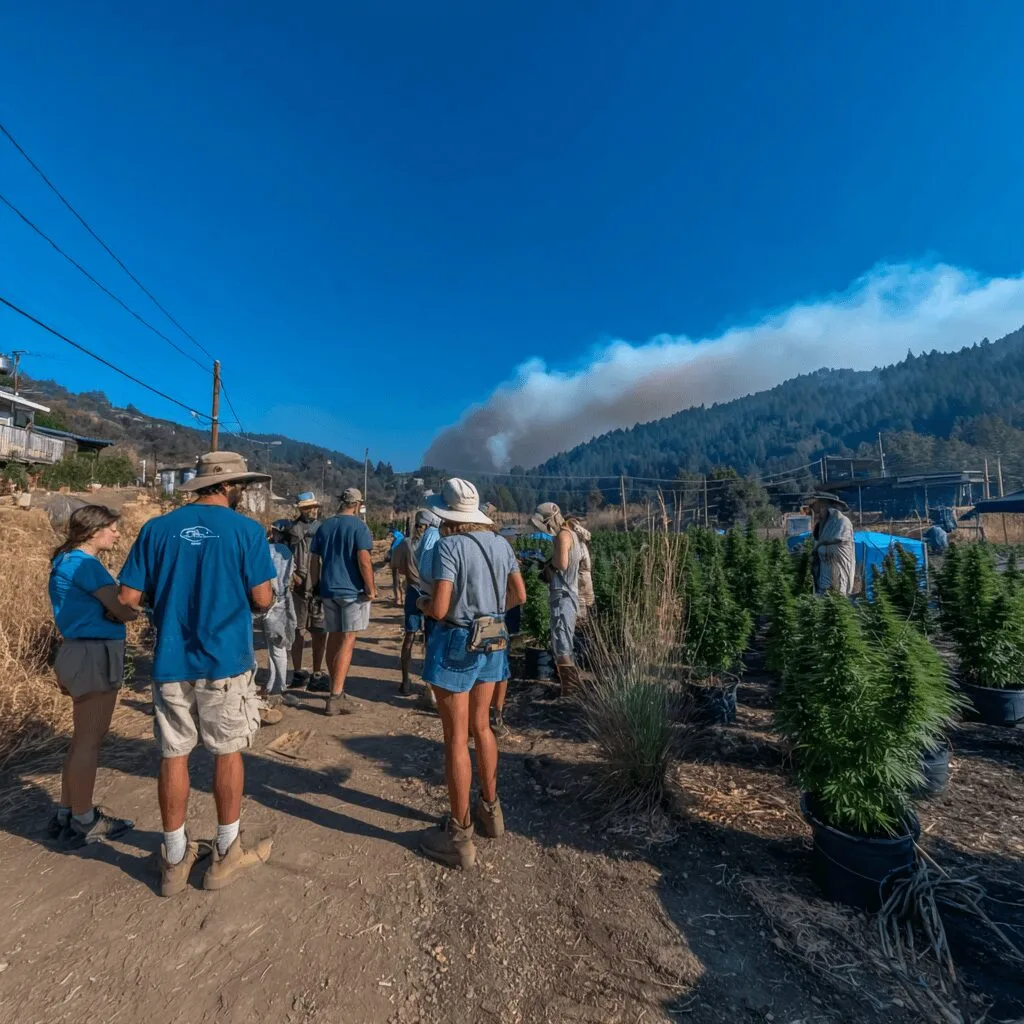
According to the study, increased cannabis cultivation in California has correlated with accidental disturbances of protected burial grounds and historical landmarks. As regulations shift cultivation toward less populated rural areas, Tribal lands face new pressures. Specific cases detailed how required state-level environmental impact statements occasionally missed critical Tribal input or failed to account for longstanding stewardship practices. The report also maps the regulatory struggle for Tribes seeking to balance economic sovereignty with environmental and spiritual preservation. Major cultivation companies looking to expand in the Emerald Triangle and Central Valley have sometimes clashed with Tribal representatives about property boundaries, permitting, and compliance with federal historic preservation laws. These disputes picked up steam following a spike in cultivation permit applications in late 2023, as documented in the report and confirmed by KQED. Issues with licensing are also mirrored in situations like those involving illegal dispensaries in Southern California where regulatory enforcement remains uneven.
Expert Insights: Unpacking the Broader California Cannabis Regulation Impact
Let’s get real, a lot of folks underestimated the California cannabis regulation impact on Tribes. It isn’t just about compliance headaches, it’s about cultural survival and the right to self-determination. These issues pop up at the intersection of economic opportunity and environmental justice, which happens a lot in cannabis. As Dr. Joye Braun, an advocate for Indigenous rights, put it in a recent Leafly interview, “Regulations crafted without authentic Tribal input can lead to erasure, even if well-intentioned. Cannabis offers real opportunity, but only if those most impacted are heard.”
Cannabis industry leaders echo these concerns. According to analysts at New Frontier Data, most smaller Tribal operations face steeper legal and logistical hurdles than their non-Tribal peers, affecting competitiveness and community development. However, there’s hope: recent moves such as seeking local regulatory clarity, much like the focus on cannabis business regulations in other communities, and Senate-backed amendments to give Tribes more regulatory control, signal shifting winds. The industry at large is doubling down on social equity initiatives, responding to both market demands and grassroots activism.
Where Do We Go Next? The Future of California Cannabis Regulation Impact
While the current news cycle feels intense, don’t lose sight of the progress. As public awareness grows, lawmakers, regulators, and businesses have more incentive than ever to truly honor Tribal consultation and culturally sensitive practices. The ongoing evolution of the California cannabis regulation impact points toward smarter, more inclusive policies—not just within California, but nationwide.
As Marijuana Moment reports, California’s regulatory system is already under review for improvements. Industry experts expect continued growth, tighter social justice standards, and improved collaboration—that’s the path forward. If you’re advocating for better outcomes, stay plugged in and keep pushing for equity. The evolution of California cannabis regulation won’t just shape one state; it’ll ripple across the country, lighting the way for everyone in this ever-maturing industry.
Originally reported by: mmjdaily.com

1 Comment
Pingback: Medical Cannabis Implementation: Overcoming Apprehension Now