

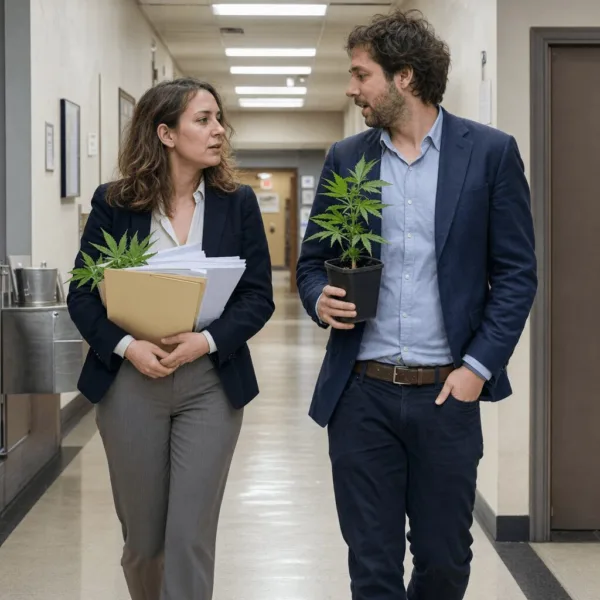




Oral drug testing devices: What Clarksville Police may use next
Right now, the buzz in Clarksville and beyond is all about oral drug testing devices—and for good reason. As cannabis legalization moves forward, tech is evolving fast to keep up with both advocates and law enforcement. The city council’s fresh look at innovative oral drug testing devices shows how local policy can reshape cannabis policing. Stick around as we break down the latest moves, the bigger context, the real-world stakes, and why this matters for cannabis users, cops, and everyone who cares about fair, smart, and science-backed regulations.
Why Oral Drug Testing Devices Are Suddenly Such a Big Deal
The cannabis industry is in a wild state of flux, federal attitudes are shifting, more states are embracing legalization, and mainstream society is catching up. Yet, many officers and lawmakers are scrambling to modernize policies, especially around drug-impaired driving (National Highway Traffic Safety Administration). Unlike breathalyzers for alcohol, reliable roadside testing for cannabis and other substances remains a regulatory headache. The rise of oral drug testing devices is no fluke, they are the direct response to gaps left by old-school urine, blood, and field sobriety checks.
City councils everywhere, including Clarksville, are weighing how these devices can bridge law enforcement with rapidly changing norms. This movement underlines a legit tension: lawmakers aiming for public safety and a cannabis community advocating against unjust or inaccurate policing. About 17 states are piloting or rolling out oral drug testing tech, each with their own twist, according to a recent NORML police tech briefing. As tech and policy shift, stories like the controversy around dismissals linked to marijuana policy in sports and workplaces fuel conversations about fairness in enforcement.
Clarksville’s Big Move: Latest News on Oral Drug Testing Devices
So, here’s what just went down in Clarksville, straight from the city council’s latest meeting: cops may soon snag a new tool in the form of oral drug testing devices for field use. According to the recent report by Clarksville Now, the council’s conversation centered on legal, technical, and budget concerns around these devices. It’s not just about flashy tech, it’s about funding, privacy, and public trust.
The devices under consideration include those capable of detecting cannabinoids, amphetamines, opioids, and more, using a quick oral fluid sample—think of it as the spit version of a breathalyzer. Council members called for a balanced approach, testing accuracy and ensuring the device respects individual rights. Some models demoed already use European-style rapid detection technology, capable of flagging THC presence in mere minutes. Why the urgency? Local officials cited increased cannabis accessibility post-legalization in surrounding areas—much like what’s happening with recent shifts in legalization across New England communities—coupled with high-profile impaired driving incidents reported in late 2023.
Importantly, councilmembers emphasized this wasn’t about “hunting stoners” but rather a response to evolving local and state laws. All proposals are set for review in a public safety committee meeting next month, with procurement possibly beginning by midsummer. Clarksville’s not alone, cities from Los Angeles to Nashville are considering similar policy updates (Stanford Law School) as traffic safety and equitable enforcement become top priorities nationwide.
Expert Analysis: Are Oral Drug Testing Devices the Real Solution?
Here’s where it gets real, oral drug testing devices aren’t magic wands. As much as law enforcement wants simple answers, the science is still evolving. The big benefit? Rapid, non-invasive results. But here’s the kicker, herbal cannabinoids can linger in saliva longer than actual intoxication lasts. That means officers could theoretically bust someone for last night’s edible, even if they’re stone-cold sober now—prompting questions about fairness, like those raised after recent suburban cannabis-related arrests.
As Dr. Marilyn Huestis, a renowned cannabinoid researcher, explained to Leafly: “Oral fluid tests can show what’s in your system, but not always whether you’re currently impaired. There’s a big scientific gap when it comes to linking THC presence with real-time driving ability.”
Legal advocates warn that until tech catches up, these oral drug testing devices could lead to wrongful arrests, clog courts, and set back the fight for fair cannabis laws. No one wants impaired drivers on the road, but false positives—or results that don’t match current impairment—aren’t helping anyone. The encouraging news? New generations of testing devices look more promising, with better detection and tighter accuracy, according to recent FDA trial results. The cannabis community is watching closely, advocating for science-based rules, transparency, and protecting medical users.
Looking Ahead: What’s Next for Cannabis and Oral Drug Testing Devices?
The bottom line? Oral drug testing devices will shape how local governments balance legalization, safe driving, and civil liberties. Clarksville’s approach—open debate, public input, and honest talk about both pros and cons—offers a model for other cities.
As industry experts at MJBizDaily point out, the future of cannabis policy is collaborative. Police, patients, businesses, and advocates have to sit at the same table (sometimes literally). That’s how you get tech that works, laws that protect, and a culture that respects choice and safety.
Expect the science to keep improving and for policy to catch up with it. The more data hits the streets, the better these devices—and the laws around them—can get. Until then, stay informed, question the hype, and celebrate every win—big or small—for fairness and freedom in the cannabis world.
Originally reported by: clarksvillenow.com


3 Comments
Pingback: Phiten launches Philippines: Official Store & IP Salon Reveal
Pingback: GBI marijuana seizure arrest: Shocking Valdosta bust details
Pingback: Nuclear Reactor Technology: Discover the Next Big Leap