



Garvin County marijuana raids: Major bust, suspects in custody
If you’ve noticed the headlines blowing up about the Garvin County marijuana raids, you’re not alone. These recent enforcement actions in Oklahoma have sent ripples through the cannabis community, raising heated debates about regulations, criminal justice, and the future of legal cannabis in the midwest. With authorities seizing sizable quantities and arresting key suspects, growers and advocates are now keenly watching the fallout. Let’s break down why this raid matters, what triggered it, what’s at stake for the local (and national) cannabis scene, and what lessons we can all take away—whether you’re team hydro or just here for the memes.
What’s Driving Oklahoma’s Crackdown? The Story Behind Garvin County Marijuana Raids
Oklahoma’s cannabis scene isn’t just about laid-back legal access and open fields, it’s at the center of a complex regulatory dance. Since medical marijuana became legal in 2018, the state exploded into one of the country’s largest legal cannabis markets, fueled by a low barrier to entry and affordable licensing. But with rapid growth came scrutiny. State lawmakers and law enforcement agencies, responding to OMMA statistics and reports from sources like Leafly, have highlighted regulatory gaps, flaws often exploited by illicit operators. Social concerns also play a role, as communities weigh the local benefits of cannabis against fears of organized crime and illegal export; in some regions, local ordinances have even approached the topic by restricting sales, as seen in this town’s decision impacting everyday life. This context explains why the Garvin County marijuana raids feel both inevitable and emblematic of broader state struggles with balancing growth, compliance, and enforcement. The episode is a stark reminder, as laws evolve, real-world implementation is never just black and white.
Key Developments: What Really Happened in the Garvin County Marijuana Raids?
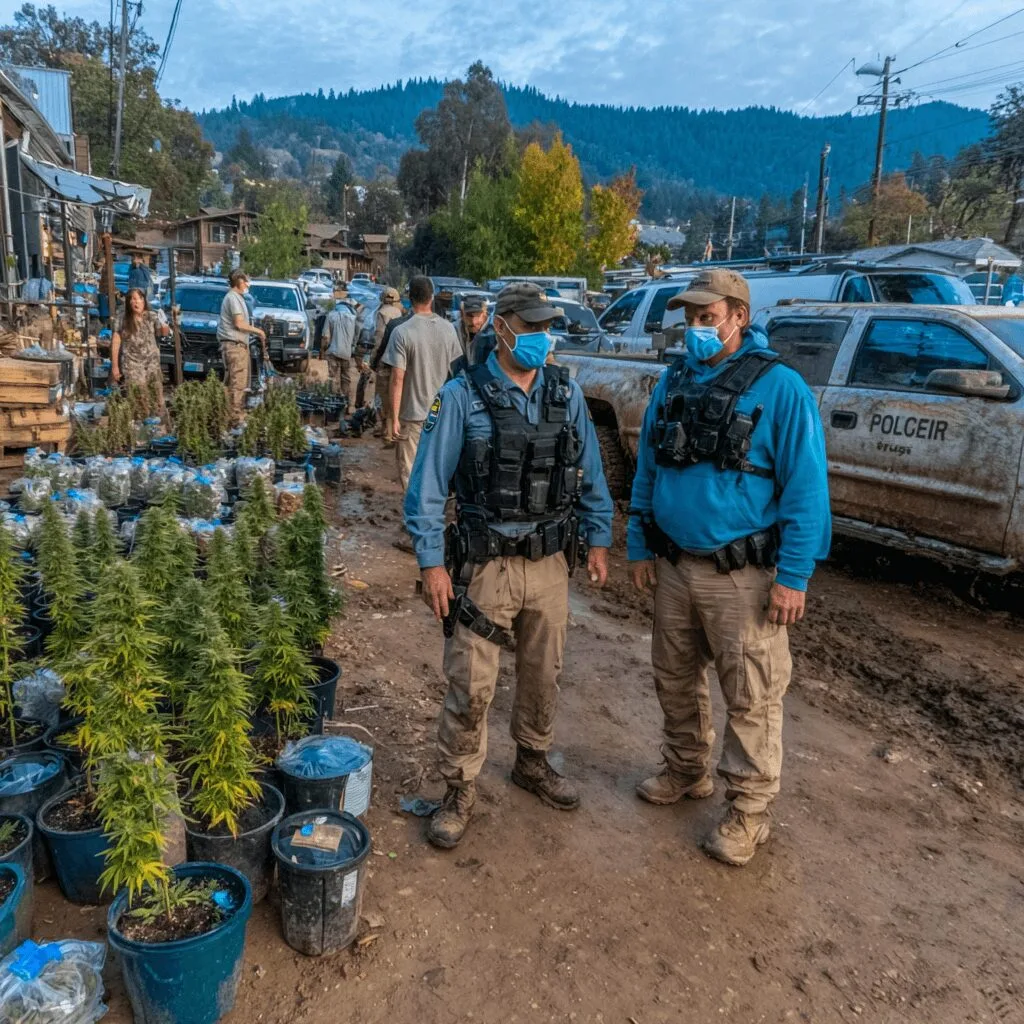
According to KXII News, the raid in Garvin County took place on November 2, 2025, when law enforcement executed warrants at a rural cannabis cultivation site. Agents in plain jackets and uniforms, acting on intelligence gathered over several months, discovered what authorities described as an illegal operation, seizing bagged marijuana and live plants. Two people were taken into custody, reportedly linked to the unlicensed grow. While the Garvin County Sheriff’s Office partnered with the Oklahoma Bureau of Narcotics, news outlets report that no large cartel connections have been formally confirmed as of now.
These Garvin County marijuana raids were not isolated, they’re part of a string of statewide enforcement sweeps targeting suspected criminal activity in Oklahoma’s medical marijuana sector. The operation underscores concerns around permit forgery, out-of-state diversion, and unauthorized grows. Importantly, Oklahoma regulators have recently stepped up both compliance checks and law enforcement support, as reflected in industry coverage from MJBizDaily and Cannabis Business Times. This focus on enforcement echoes stories across states, including what happened when authorities discovered and seized 81 grams in a suburb, as in this recent marijuana arrest in Washington Township. The Garvin County marijuana raids, therefore, are significant both for their immediate impact and as a signal of the state’s new, tougher approach.
Insights from the Field: What Do These Raids Signal About Cannabis in Oklahoma?
Cannabis insiders know Oklahoma was bound for a reckoning. If you opened a dispensary after state Question 788, you probably remember the wild west vibes: open licensing, few inspections, and a true green rush. But as the Garvin County marijuana raids highlight, the pendulum has swung toward stricter oversight.
According to Marijuana Moment, over 200 unregistered grows have been shut down across the state this year alone. A leading cannabis lawyer, Erin McCann, said, “The Garvin County marijuana raids show where enforcement meets policy gaps. If we want a fair, legal market, compliance needs to be rewarded, not just enforced by force.” This is echoed in reporting from Ganjapreneur, where industry leaders point to the need for both state support and better education for license holders. Across the board, growers and advocates worry that aggressive crackdowns may chill patient access, hurt small businesses, and fuel a return to the underground market. At the same time, everyone agrees: unchecked, illicit operators ultimately threaten legal, community-based cannabis and invite more unwanted scrutiny. And, as research on early cannabis use and health risks continues to shape public perception, regulatory and enforcement approaches in states like Oklahoma will likely remain under the microscope.
Looking Forward: Lessons from Garvin County and a Bright Future for Cannabis
Even with all the drama, the Garvin County marijuana raids should be a wakeup call, not a death knell. Oklahoma’s cannabis industry still leads in patient access and growth. Enforcement surges often produce real policy updates: regulators are refining license oversight and investing in digital track-and-trace. Most importantly, communities are getting a clearer view into what works—and what doesn’t—in cannabis regulation. With the right balance, we’ll see more secure supply chains, fewer legal headaches for honest operators, and a normalization of cannabis that benefits everyone. If you ask me, the lesson from the Garvin County marijuana raids is simple: smart policy and open dialogue keep the industry rolling, keep patients safe, and keep the connoisseurs and casuals alike rooting for the next chapter of legal green in Oklahoma.
Originally reported by: kxii.com


1 Comment
Pingback: Menominee marijuana licensing: Game-Changer Moves Exposed