


Psychedelic Therapy for Veterans: Transforming PTSD Recovery
Lately, the buzz around psychedelic therapy for veterans has gotten louder than a squad of tanks rolling through a quiet suburb. More reports show vets turning to alternative plant medicine to tackle tough-to-treat PTSD, especially when standard meds leave them feeling flat. Between fresh research, increasing public support, and changes in laws, there’s a genuine shift happening. We’re seeing US veterans, especially Navy folks, sit down together, break the stigma, and talk openly about their journeys. This article explores the gritty reality, the breakthroughs, and what the future could look like now that cannabis and other psychedelics are entering the conversation on recovery and resilience.
The Legal, Social, and Market Context of Psychedelic Therapy for Veterans
Just a few years back, suggesting psychedelic therapy for veterans would’ve been dismissed like a bad knock-knock joke. Times have changed, though. The US Department of Veterans Affairs remains slow to fully back cannabis and psychedelics, yet more states are breaking away from prohibition. According to Marijuana Moment, thirty-eight US states have legalized medical marijuana, with a handful paving the path for psychedelic therapy research. Organizations like MAPS (Multidisciplinary Association for Psychedelic Studies) report a surge in clinical trials targeting trauma and mental health, spurred by mounting evidence that psychedelics offer hope where other treatments stall. Socially, the stigma is fading, especially among vets who trust each other over outside opinions, as highlighted in recent industry reports from Leafly. Marketwise, investment in alternative therapeutics is booming, attracting attention from advocates and entrepreneurial spirits alike. It’s a bold new world and recent policy headlines show how local decisions, like a town’s ban on cannabis sales, can still dramatically impact how these therapies reach everyday people. Federal law still treats most psychedelics as controlled substances, so regulatory headaches remain a real thing for anyone walking this path.
Key Developments: Vets, PTSD, and a Shifting Therapeutic Landscape
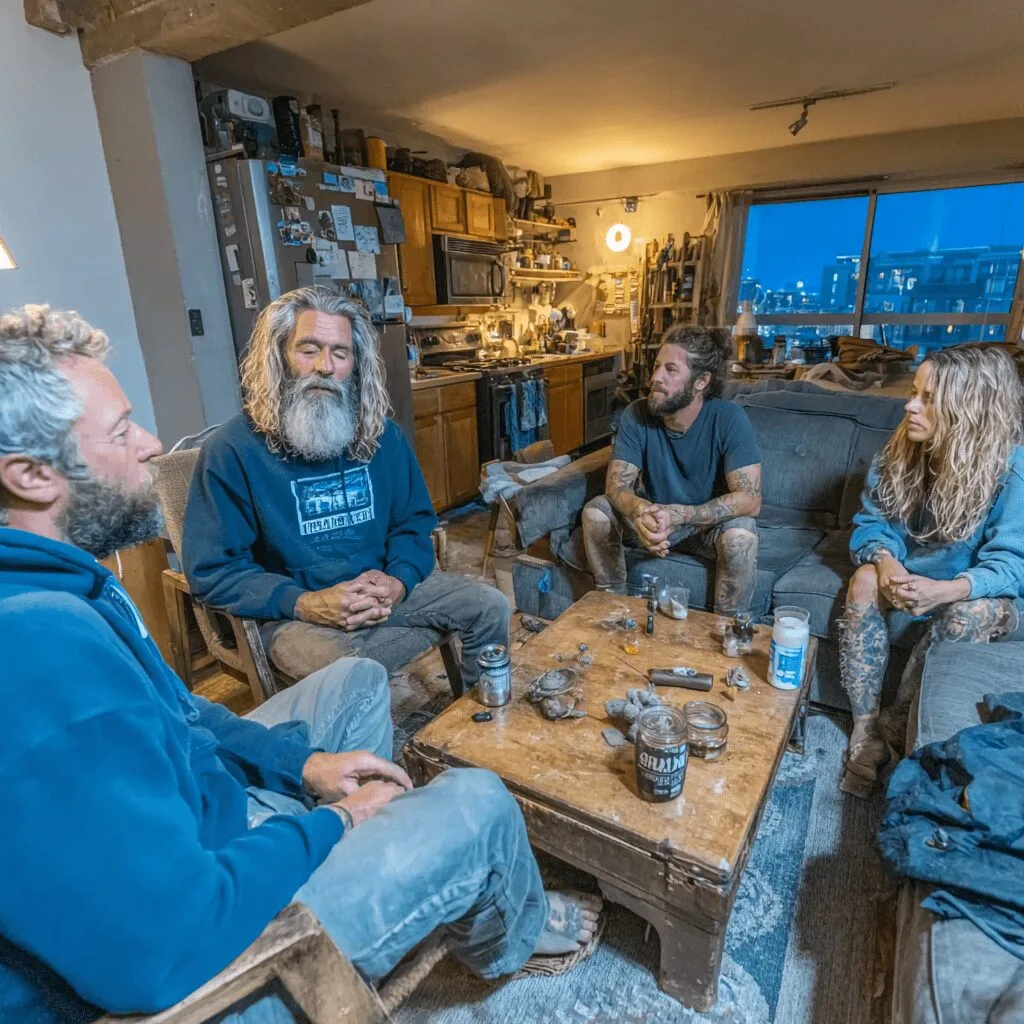
This conversation got real when US Navy veterans bravely shared their recovery journeys, as detailed in a recent Community Newspaper Group article. The story centers on small groups of ex-service members meeting in honest, informal settings—think worn couches, baggy jeans, lived-in spaces. They’re eschewing formal therapy for peer support and microdosing plant-based treatments. Cannabis sits front-and-center, alongside talk of psilocybin and other naturally occurring psychedelics. The article outlines the backgrounds and first-hand accounts, with veterans describing symptom relief and a sense of community missing from traditional VA clinics, a sentiment echoed by those experiencing moments of real connection and culture at live events. This isn’t just anecdotal. The National Institutes of Health has greenlit multiple research studies on psychedelic therapy for veterans, and the state of Oregon legalized supervised psilocybin sessions for some mental health conditions. While most states and the federal government maintain restrictions, municipalities like Denver and Oakland have decriminalized certain entheogens. The news coverage highlights not just the healing but the legal risk: even Navy veterans pioneering these treatments can face consequences. Yet the movement keeps growing, driven by need and mounting scientific data.
Expert Insights: Why Psychedelic Therapy for Veterans Resonates
Look, I’ve been in the cannabis game a decade, and watching psychedelic therapy for veterans move from fringe to legit is wild. What’s driving it is simple: the system’s gaps. Traditional PTSD meds often leave vets feeling numb, zoned, or stuck in survival mode, while peer-led plant medicine sessions offer hope and belonging. As Leafly’s Bruce Barcott wrote, “Cannabis is not a miracle cure, but it’s a powerful tool that lets people reconnect with their lives after trauma.” This social dimension matters a lot. Research from the MAPS Bulletin emphasizes that group support amplifies outcomes. Meanwhile, the market has noticed: companies like Compass Pathways and atai Life Sciences are pouring millions into psychedelic research and clinical trials, knowing unmet demand is high. Recent discoveries about how cannabis epigenetic changes are redefining health further highlight the potential of plant-based therapies. Industry analysts predict a $10 billion global market for legal psychedelics in just a few years. In regular language: mainstream medicine is finally catching up to what veterans have figured out firsthand. Still, legal access remains a maze—even in progressive states, red tape and cost can keep treatments out of reach for the folks who need them most. It’s a classic case of the right solution struggling to get through a locked door, but advocates keep knocking louder.
Future Outlook: Embracing Change and Supporting Veterans’ Healing
Here’s the best part: stigma is breaking, and the numbers are heading the right direction. As Marijuana Moment reports, national surveys now show over 65% of Americans back psychedelic therapy for veterans. With continued advocacy, legal reforms, and new science dropping every month, wider access feels inevitable. Veterans aren’t looking for a magic fix—they’re forging authentic connections, sharing real experiences, and driving a shift in public opinion. The industry is poised for ongoing growth, and lawmakers are slowly catching up. When peer support, science, and social change meet in veterans’ living rooms, recovery moves from a pipe dream to a real shot at healing. That’s not just hype—it’s the spark of a revolution in mental health for the people who served. As always, eyes on the horizon: this is only the beginning of new hope through plant-based recovery.
Originally reported by: communitynewspapergroup.com