


Marijuana Possession Police Log: Shocking UP Apartment Reveal
The marijuana possession police log is making headlines again, and with good reason. Cannabis policy and student life are clashing amidst an evolving landscape of legalization and shifting cultural norms. This week, a surprising incident in a college apartment brings renewed attention to local marijuana enforcement and what it means for students, campus safety, and broader reforms. As stories like this surface, they underscore both progress and the persistent tensions at the crossroads of cannabis and the law. Let’s break down what went down and what it means for the bigger picture.
The Evolving Context: Marijuana Laws and College Life
Marijuana laws across the United States have changed dramatically over the last decade, largely thanks to an energized public conversation and broadening social acceptance. Yet, even as more than half the states now allow some form of legal cannabis (NORML reports), campuses remain hot zones for legal gray areas. Colleges, beholden to federal funding, often enforce federal drug laws even in legal states. According to the U.S. Department of Education’s Campus Drug Prevention Network, student possession can still trigger disciplinary action, fines, or even arrest. This duality creates friction, reflected in the regular appearance of the marijuana possession police log on campuses nationwide. Across the country, new rules and local debates spark ongoing discussion about how state reforms interact with traditional campus policies, similar to community-level business policy updates such as municipal changes in Pinckney, Michigan. The issue isn’t just legal, it’s cultural, intersecting with debates about public safety, racial justice, educational equity, and shifting attitudes among young adults. Colleges struggle to balance compliance with federal law, student wellness, and expectations of a changing student body. Recent public opinion polls from Gallup and Pew Research Center show overwhelming support for legalization, yet old policies often persist on the ground. That disconnect is fueling recent controversies and the heightened focus on the marijuana possession police log.
Key Developments: The UP Apartment Discovery
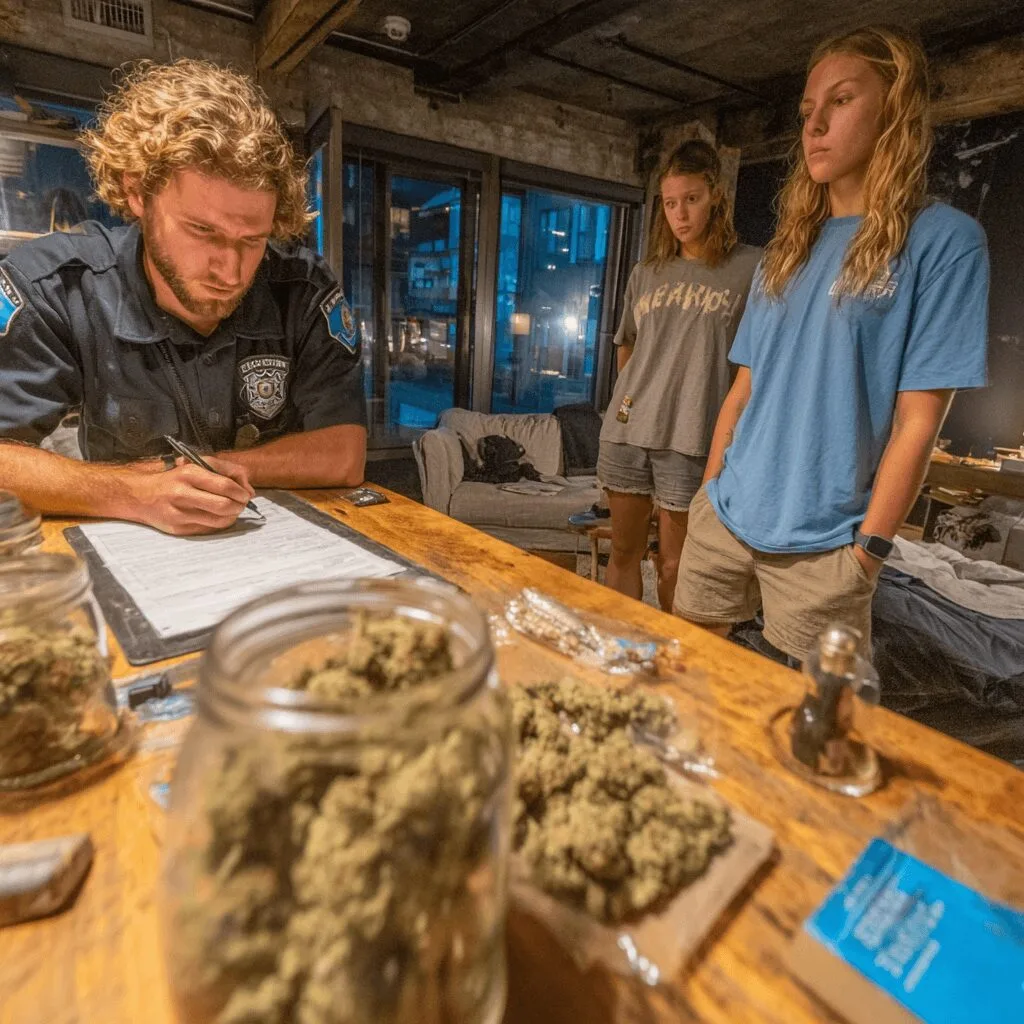
Reports indicate that in early October 2025, campus law enforcement responded to a call at an off-campus apartment complex known among students as “UP.” According to the ACU Optimist, officers arrived after complaints about a possible disturbance. Upon entering the apartment, police found a table with loose cannabis flower, a small glass pipe, rolling papers, and evidence of recent use. Two residents appeared startled but cooperative as law enforcement inspected the scene. The marijuana possession police log reflects that the students did not attempt to conceal the evidence, suggesting a possible lack of awareness, or concern, about the consequences. Both residents were cited for possession under local statutes, even though cannabis remains illegal under campus policy. Law enforcement noted there was no intent to distribute, a crucial distinction differentiating this from more serious drug offenses. The marijuana possession police log records this as a routine case, but it ignited debate on campus. Students cite a disconnect between state-level reforms and outdated campus rules. This highlights wider shifts nationwide, including a notable surge in local markets as seen with the rapid expansion of the Hampton Roads cannabis industry. According to eyewitness accounts and follow-up interviews published by the ACU Optimist, many classmates are calling out what they see as unfair targeting of student cannabis users for minor, nonviolent offenses.
Expert Analysis & Cannabis Advocate Perspectives: Marijuana Possession Police Log Implications
What just happened isn’t simply a blip in the marijuana possession police log, it’s a snapshot of America’s growing pains. The incident echoes what Marijuana Moment calls the patchwork policy problem, a tangle of contradictory laws creating confusion and anxiety for everyday users. It’s a situation ripe for reform, according to experts such as Dr. Amanda Reiman, a longtime cannabis policy researcher, who recently told Leafly: “Students deserve clarity, consistency, and fair treatment under the law, especially in states where voters have clearly embraced cannabis as a part of modern life.” As more states remove criminal penalties, some colleges lag behind, fueling double standards in enforcement. Importantly, research published in the JAMA Network suggests that punitive campus cannabis policies do not reduce overall usage, but can increase distrust between students and authorities. Rather than criminalizing minor infractions, a growing body of campus wellness administrators push for education and harm reduction. Broader legal and market wins, such as the recent victory in New Jersey’s cannabis farm legal challenge, signal how national trends continue to put pressure on outdated campus approaches. The marijuana possession police log is, for many advocates, a relic overdue for retirement. They urge schools to align policies with both science and evolving public sentiment.
Looking Forward: Changing the Narrative
The marijuana possession police log may remain a flashpoint for controversy, but the bigger story is about progress and possibility. As legal maps keep shifting, colleges have a unique opportunity: stop clinging to outdated rules, and start championing safe, responsible cannabis use. According to NORML, recent years have seen a sharp decline in campus arrests as more administrations revise policies. The trend is unmistakable—more education, less punishment. Looking ahead, advocates hope stories like the UP apartment reveal spark reflection, not fear. With smart reforms and open dialogue, colleges can honor student rights and promote wellness, building a future where the marijuana possession police log becomes a relic of the past.
Originally reported by: acuoptimist.com