





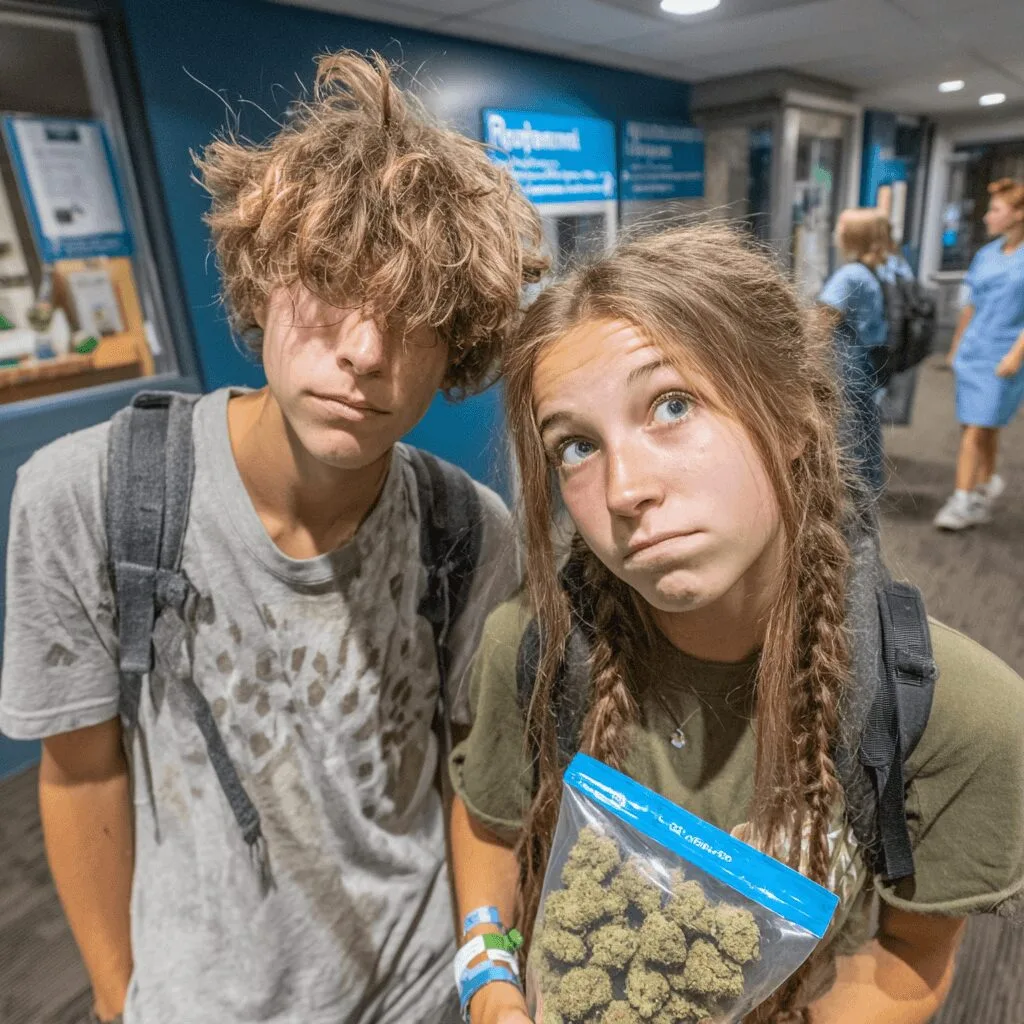
Teens Hospitalized Marijuana Gummies: Shocking Truth Revealed
The cannabis industry is booming, but it comes with new challenges—and hotter headlines. This week, a spike in teens hospitalized marijuana gummies cases is raising alarms. Hospital ERs and parents alike are on edge, as news breaks of accidental overconsumption among youth. As legal edibles hit the shelves, their appearance and potency collide with lax storage or misuse. This isn’t just a media scare; it’s real, and it’s got regulators and advocates talking. We’ll break down the facts, debate the hype, and get real about what’s next for safe cannabis culture.
What’s Fueling the Teens Hospitalized Marijuana Gummies Trend?
Let’s cut to the chase, the rise in teens hospitalized marijuana gummies isn’t a blip, it’s a signal. Cannabis-infused gummies have become a go-to for adults seeking discretion and taste, but their candy-like allure poses clear risks for curious teens. According to the CDC, teen accidental ingestion of edibles has increased as statewide legalization expands and home access rises. Regulation is struggling to keep up, and The New York Times reports that inconsistent packaging, loose storage, and lack of parental awareness create conditions for these incidents. The ongoing debates over changing cannabis rules in different regions, like those in urban centers tackling new cannabis regulation, show how cities are searching for more responsive policies to address the fast-moving edibles market. Socially, parents may still lag in understanding today’s high-potency products compared to old-school weed, making education crucial. Edibles’ delayed effects further confuse inexperienced users, increasing hospital visits when teens panic over strong or unexpected highs. Meanwhile, black market delta-8 and similar unregulated products muddy the water and bypass age restrictions altogether.
What Really Happened: Key News on Teens Hospitalized Marijuana Gummies
This week’s spotlight shines on Armstrong County, PA. As reported by WTAE News, two Kittanning teens were hospitalized after consuming marijuana gummies. The identity of the brand hasn’t been released, but both students were found unresponsive at school, sparking immediate concern. Emergency responders acted fast, taking the teens to Armstrong County Memorial Hospital for observation. Local police responded and launched an investigation. According to the Pennsylvania Commission on Crime and Delinquency, incidents involving youth cannabis intoxication have climbed alongside easier access to edibles resembling candy. These stories are reminiscent of cases on campuses nationwide, such as those explored in college sports and cannabis use risks, which highlight how legal changes and product access impact students. Neither minor faced life-threatening conditions, but the event put parents and school officials on high alert, with calls for improved prevention and education efforts throughout the district. The gummies in question were shaped and colored much like common sweets, making accidental ingestion or intentional misuse harder to spot and prevent, especially when packaging from legal or illicit sources can be nearly identical.
Expert Analysis & Pro-Cannabis Counterpoints: Learning, Not Panic
Let’s get honest, stories about teens hospitalized marijuana gummies fuel fears, but they also highlight gaps where cannabis culture can get smarter. As legalization sweeps new states and retail shelves overflow with snazzy edible brands, kids have never had a clearer window to exposure. The American Academy of Pediatrics warns that edibles can be deceptive in both look and delayed effect, leading to overconsumption by unsupervised or naive users (AAP policy statement). Yet, data from NORML and state regulators indicate no long-term rise in overall youth consumption since legalization, and instead, the challenge lies in safe storage and adult oversight.
Jake Salazar, CEO of Rocky Mountain High: “Accidental ingestion by teens is a real risk, but it’s preventable. Smart packaging, parental education, and better labeling are working in Colorado, and should be the national standard.” (Denver Post)
Blaming weed alone misses the point. Alcohol, prescription meds, and even household cleaners send teens to the ER every year, and context matters. The cannabis industry has already rolled out child-resistant containers, strict labeling, and some states, like Illinois, even outlaw packaging resembling youth-targeted snacks (Illinois.gov press release). The complexities around compliance and consumer safety echo the kind of industry-wide issues seen with ongoing legal and tax debates impacting cannabis markets. Responsibility starts at home but involves society, legislators, and anyone profiting from cannabis sales. The result? Safer, more informed use for everyone, and a culture that ditches stigma in favor of real solutions.
Looking Forward: Building Safer, Smarter Cannabis Norms
So where do we go from here? Teens hospitalized marijuana gummies headlines are a wake-up call, not a death knell for the industry. Every high-profile incident points to one thing: the need for broader education, tougher packaging rules, and responsible retailing—hallmarks of a maturing, credible industry. As outlined by MJBizDaily’s 2024 Industry Brief, consumer safety measures and public health campaigns are already rolling out nationwide. The positive outlook? More schools and parents are tapping into up-to-date cannabis education, state lawmakers are tightening edible regulations, and brands are prioritizing safety tech for packaging. Cannabis, done right, has a healthy future. Let’s keep teens safe, the culture vibrant, and the conversation honest. This is just another growing pain as we step into the normalized, responsible cannabis era.
Originally reported by: wtae.com



1 Comment
Pingback: Cannabis Safe Storage: Essential Tips for Halloween