


Drug Recognition Marijuana Impairment: Experts Stop False Positives
The conversation around responsible cannabis use is fresher than ever as more states move toward legalization. That’s making drug recognition marijuana impairment checks a front-and-center concern. With cannabis laws evolving and more consumers going legit, it’s crucial we get impairment testing right—nobody wants an innocent stoner falsely accused, especially with social shifts and industry innovation moving fast. This article breaks down the latest on avoiding false positives, new expert tactics, and what it all means for stoners and society. Grab your coffee—or your carefully measured edible—and let’s get real on fair testing and civil rights.
The Legal Maze: Cannabis, Testing, and Civil Liberties
The landscape for drug recognition marijuana impairment in the U.S. is more complex than ever. State-level legalization is at an all-time high, with regions like Illinois and New York leading with progressive policies, similar to ongoing conversations around changing cannabis policy frameworks nationwide. Yet, cannabis remains a Schedule I substance federally, keeping enforcement and testing protocols patchy and inconsistent (NORML). This duality means regulators struggle to standardize impairment testing. Classic sobriety checks don’t always work for cannabis, leading to pushback from both advocacy groups and medical professionals. Social acceptance is rapidly growing, backed by majority public support, but outdated testing risks undermining trust, especially in communities that already face over-policing. As legalization accelerates, accurate, fair impairment detection is essential for individual rights and public safety.
Key Developments: Experts Redefine Drug Recognition Marijuana Impairment
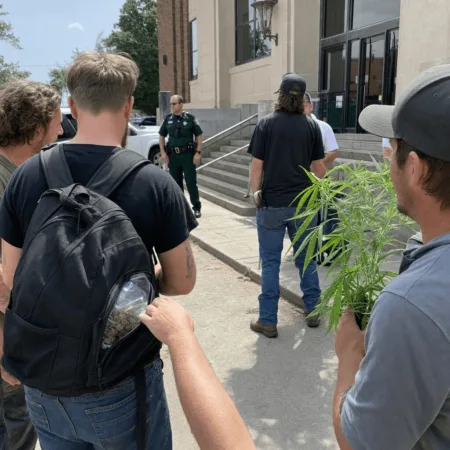
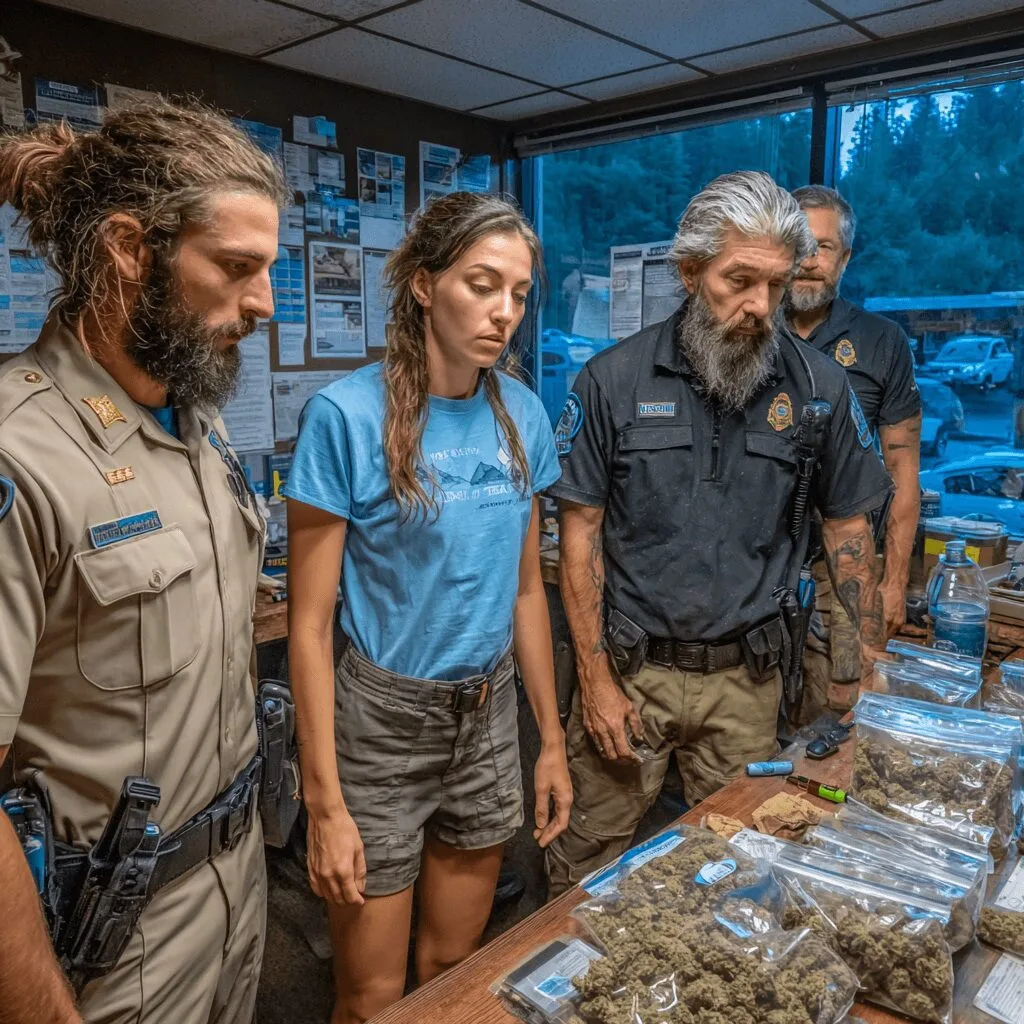
Now to the beating heart of the news. On October 30, 2025, a crew of drug recognition experts (DREs) working with county police made headlines by systematically improving how marijuana impairment is spotted (Conduit Street). These specialists shifted away from over-reliance on old-school, one-size-fits-all field tests, particularly those likely to produce false positives for cannabis. Officers and DREs now use evidence-based protocols that prioritize behavioral cues and clinical indicators over mere possession or presence of cannabis. One example comes from nationwide headlines about enforcement controversies such as the recent Oklahoma marijuana raid that sparked a statewide debate over proper recognition and consequences. Apparent symptoms, physical evidence, and officer observations must align before an impairment call is made. False positives once stemmed from misreading anxiety, medical conditions, or even caffeine jitters as cannabis-related impairment. Now, DREs cooperate with medical experts, consult new research, and use multi-step assessments before judgment. This pilot program looks to expand statewide and is already informing updates to county protocols. As reported, these efforts reduce wrongful charges and boost fairness in communities where dispensary sales are rising and misunderstood tokers are common. No more being nabbed just because you got red eyes post-allergy pill!
Expert Analysis: Smarter Testing Aligns with Science and Social Justice
What does this shake-up mean for those living the drug recognition marijuana impairment reality every day? Cannabis industry analysts hail these changes as a win for both human rights and effective policing. According to Leafly, adapting law enforcement techniques to fit real-world cannabis effects is overdue: “You can’t just field-test everyone with red eyes, science and context matter,” notes Dr. Jana Miles, a clinical researcher working with DREs. She explains, “Comprehensive checks that layer behavioral cues, new impairment science, and live observation give us a truer read—one that stands up in court and in the community.” With attention to smarter protocols, this approach is mirrored in states reviewing THC rules such as Wisconsin’s ongoing regulation efforts. This brings law enforcement and cannabis advocates a little closer, while reducing injustice for patients and recreational users. Plus, the evolving best practices are shaping policy nationwide, sparking more training sessions for police and less stress for everyday cannabis users. The cannabis industry now sees far fewer horror stories of responsible users caught in a legal net for merely existing. Improved drug recognition marijuana impairment checks also encourage open conversations about safe consumption and shared civic responsibility.
The Road Ahead: Cannabis, Civil Rights, and Smarter Solutions
Where’s all this heading? With state after state rewriting rules, expect drug recognition marijuana impairment testing to become both tech-savvy and human-centric. Ongoing education for police is growing, backed by support from major industry groups like Americans for Safe Access. Look for wider use of digital checklists, better officer training, and even AI-free roadside assessments that factor in latest medical science. As stigma crumbles and legalization rolls on, the nation gets closer to a system that spotlights fairness for patients, recreational users, and the wider public. “We’re not just fighting for better weed laws—we’re fighting for better law enforcement,” notes latest commentary from NORML. It’s a win for everyone who wants both freedom and safety on our shared highways. One thing’s crystal clear: As science catches up with policy, the future of drug recognition marijuana impairment testing looks a whole lot brighter for cannabis culture and civil society alike. Stay tuned—these changes are just sparking up.
Originally reported by: conduitstreet.mdcounties.org