



THC psilocybin lookalike candy warning: What parents need now
If you’ve kept your finger on the pulse of cannabis culture, you know that edible safety is a hot topic this season. The headline “THC psilocybin lookalike candy warning” isn’t just clickbait—it’s a legitimate concern for families, especially with holidays and gatherings on the horizon. Parents are navigating a rapidly growing market where psychedelic-inspired treats occasionally mingle with the family snack bowl. Recent public safety advisories, shifting regulations, and news stories have put this issue front and center. In this deep dive, we’ll unpack the facts, regulatory background, and expert advice behind the THC psilocybin lookalike candy warning—and give a chill, real-world perspective on what it means for the cannabis community and beyond.
Background: Why Is the THC Psilocybin Lookalike Candy Warning Needed?
The cannabis edibles market is booming, and evolving fast. According to MJBizDaily’s market analysis, edible sales grew exponentially in the past year, fueled by legalization trends and consumer curiosity. As legality expands, so does product variety—from classic gummies to wild, brightly packaged candies. What’s raising the alarm is the uncanny resemblance of some infused edibles to iconic children’s treats, especially as Halloween approaches.
State legislators, such as those in Illinois and Colorado, have responded with packaging and marketing restrictions, forcing brands to color inside the lines. Still, gray-market producers and legacy products occasionally slip through the cracks. Social factors, like cannabis destigmatization and mainstream availability, add to the mix, making the THC psilocybin lookalike candy warning more relevant than ever. If you are curious about how regulatory oversight can impact label accuracy and what is inside these products, check out this article on cannabis THC label accuracy. Law enforcement and health officials have recently redoubled public outreach, especially in states where adult-use cannabis is legal but psilocybin remains a Schedule I substance, according to the DEA’s drug schedules.
Key Developments: What’s Actually Happening with Lookalike Edibles?
The THC psilocybin lookalike candy warning became headline news after recent police reports in the weeks leading up to Halloween. According to a WXYZ News report, law enforcement in Michigan issued a community advisory after seizing snack bags and candies designed to look like top-selling brands, but actually containing THC or psilocybin.
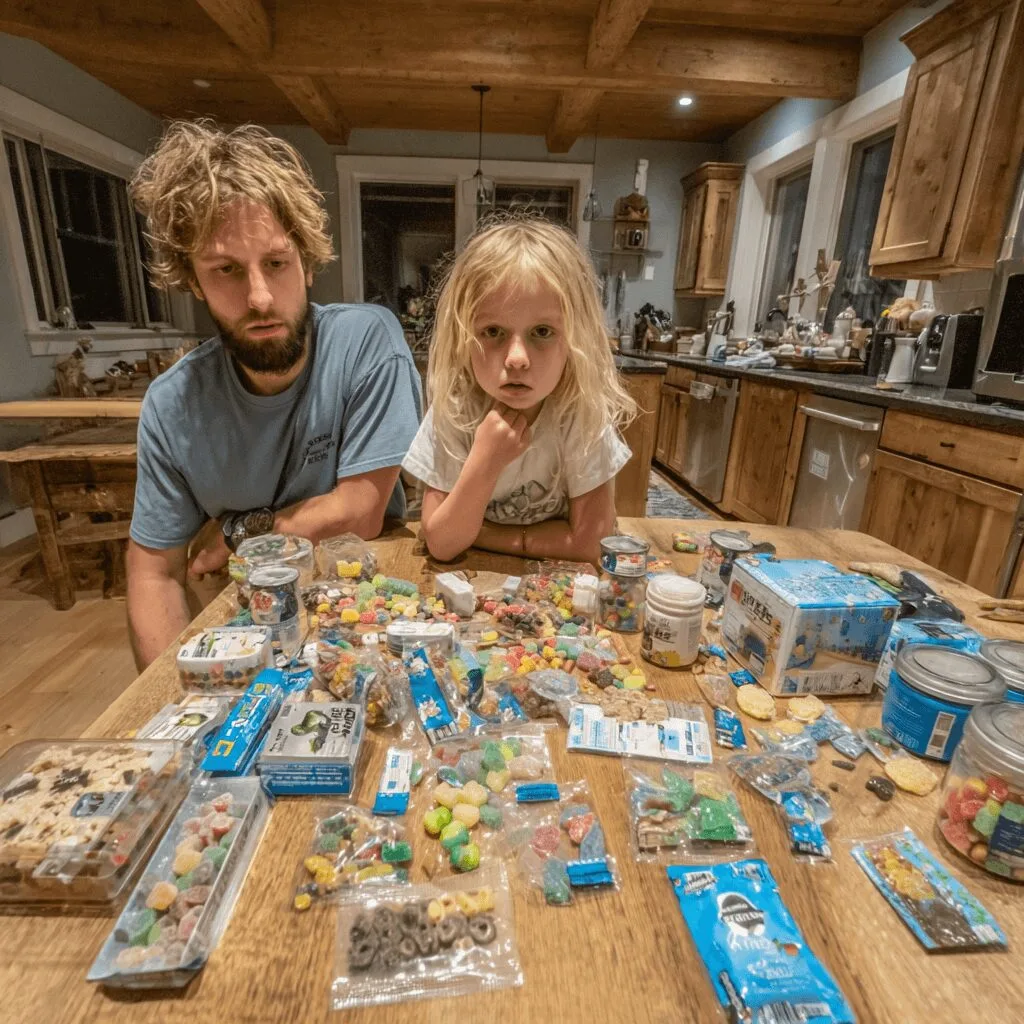
These products, often disguised in packaging nearly identical to popular children’s snacks, have popped up not only in licensed dispensaries adhering to state rules but also through unregulated market channels. In one case, police recovered “edible gummies” packed in wrappers that mimicked mainstream candy giants, complete with appealing cartoon mascots and bright colors—an obvious concern for parents and regulators alike. Several local officers stressed that, while most licensed cannabis companies play by the rules, illegal or counterfeit edibles occasionally slip into circulation, especially in states lacking a centralized tracking system. States actively reforming cannabis laws, such as Ohio where recent legislation is sparking change, are closely monitoring these trends.
Recent raids and the subsequent THC psilocybin lookalike candy warning coincided with increased treat-distribution around Halloween. The news promptly drew attention from regulatory agencies nationwide, pushing them to re-emphasize safe storage practices and product distinctions. According to a Leafly investigative feature, the number of accidental pediatric ingestions remains quite low, but vigilance is still necessary during festive periods.
Expert Analysis: Industry Views & Practical Insights
Let’s keep it real, the majority of cannabis brands have zero interest in tripping up families or flirting with accidental exposure. As regulations mature, safety protocols have gotten much tighter. NORML points out that most state-compliant edibles have mandated child-resistant packaging, distinct labeling, and clear THC warnings—features not found on standard sweets.
Still, this THC psilocybin lookalike candy warning isn’t just ‘reefer madness’ hype. As industry consultant Jill Ellsworth put it in a recent Marijuana Moment interview, “Brand responsibility is at an all-time high. Anyone serious about cannabis knows we need education and safe storage, not panic. Most cases involve gray-market products, not properly regulated ones.”
The issue also highlights a need for consumer education. Industry veterans note that seasoned consumers store their edibles away from kids, and push for policies that make it easy for everyone to tell real from fake. As Leafly’s storage guide explains, keeping cannabis and psilocybin edibles out of kids’ hands is as important as keeping spirits or prescription meds out of reach. For a closer look into how effective cannabis odor control strategies support safe storage, check out these top methods for growers.
The bottom line? The THC psilocybin lookalike candy warning should fuel smarter conversations, not just headline anxiety.
The Future: Safer Edibles & A Smarter Cannabis Culture
Looking forward, the THC psilocybin lookalike candy warning is helping push the entire cannabis and psychedelics sector toward more responsible norms. According to Green Market Report, states crafting clear guidelines for packaging, advertising, and education have seen sharp drops in accidental exposures and fewer enforcement headaches.
While the current news cycle can feel tense, most experts agree: smarter policies, open dialogue, and practical safety tools are already making a difference. As public understanding grows, so will cannabis’ reputation for genuine wellness and innovation—proving the industry can evolve without sacrificing fun or safety. Stay tuned; this is one sector where common sense and community matter most.
Originally reported by: wxyz.com