






National Medical Cannabis Initiative: Big Changes Ahead
Right now, the national medical cannabis initiative is buzzing across the U.S. thanks to a wave of new policy moves, fresh research, and real momentum for cannabis reform. As more patients and medical pros look to cannabis for relief, our nation is at a turning point. These developments impact healthcare and social equity, as highlighted in the latest coverage. So, what’s next for the national medical cannabis initiative, and why should advocates, patients, and investors pay close attention? Let’s break it all down here.
Background & Context: The Moving Parts Behind Medical Cannabis Reform
The national medical cannabis initiative comes at a time when the U.S. landscape is wildly dynamic. Over 38 states now have established some form of legalized medical cannabis program, with varying degrees of access and regulatory oversight. However, at the federal level, cannabis remains a Schedule I substance under U.S. law. This disconnect brings legal ambiguity, banking hurdles, and uneven patient access, shaping the initiative’s urgency. According to NORML, federal reform is lingering, but recent congressional proposals—including the SAFE Banking Act—signal real progress. Major medical associations, like the American Medical Association, are revisiting their stances based on mounting evidence and patient demand. As stigma fades, national organizations are stepping up to bridge federal-state divides, aiming to bring standardized, evidence-based practices to a still-divided market. In short, the push for a national medical cannabis initiative is about coherence, safety, and advancing medical freedom, similar to how evolving state tax policies are impacting dispensary operations as seen in California’s recent excise tax update.
Key Developments & Issues: The American Council of Cannabis Medicine Takes Center Stage
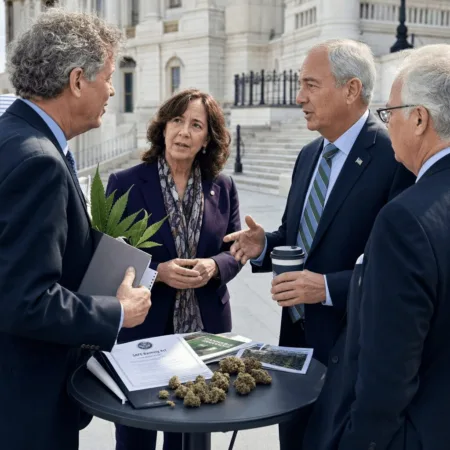
The catalyst for the current buzz is the American Council of Cannabis Medicine’s (ACCM) latest move. According to Yahoo Finance, the ACCM publicly unveiled a new phase in the national medical cannabis initiative, introducing updated policy recommendations, creating unified clinical guidelines, and ramping up legislative advocacy. The event took place in early June 2024 and gathered medical experts, advocacy groups, and industry leaders to discuss clear, actionable strategies for broadening patient access.
One major highlight is the push for a standardized patient certification process nationwide, which would clear up confusion for doctors and facilitate insurance coverage. The initiative also proposes collaboration with prominent academic medical centers, reflecting a growing alliance between cannabis industry pros and the traditional healthcare system. The ACCM’s move echoes regulatory winds sweeping through states like New York and Maryland, where state regulators have fast-tracked new qualifying conditions and distributed dispensary licenses to increase access, much like how a surge in THC drink sales due to legal changes has recently shaken up the Ohio cannabis market in this report. These efforts set the national stage for a policy overhaul and wider clinical adoption.
On the ground, the ACCM event spotlighted first-hand stories from clinicians and patients, addressing barriers like medical distrust, socioeconomic disparities, and patchwork state rules. The leadership emphasized both evidence and empathy, vowing to make the national medical cannabis initiative a model for patient-first healthcare reform.
Expert Analysis & Insights: Why This Moment Matters for Patients, Docs, and Industry
The latest moves in the national medical cannabis initiative are drawing applause and scrutiny. Veteran industry insiders see these changes as part of a larger shift. As Dr. Sue Sisley, a respected cannabis clinical researcher, recently put it in Leafly News, “It’s about time cannabis was treated with the same scientific rigor, and compassion, as any other medicine. Patients deserve standards, not guesswork.”
From an industry perspective, the national push means new market opportunities, better protections, and steadier regulatory ground. For healthcare providers, national standards are a lifesaver, allowing doctors and nurses to avoid conflicting guidance. For patients, especially veterans or those with chronic illness, standardized access could mean actual relief after years of fragmented policy. Additionally, more patients and advocates are exploring wellness-related uses of cannabis, and the antioxidant properties of cannabis inflorescences are becoming a central part of the public conversation.
But let’s keep it real, industry consolidation, insurance slow-walking, and persistent stigma still lurk. Even so, these national efforts are what many call a bridge to mainstream acceptance. According to recent reports from MJBizDaily, the U.S. medical cannabis sector could exceed $12 billion by 2025, if major initiatives land. The optimism is thick, but so’s the responsibility to do it right.
Future Outlook & Conclusion: The Road Ahead for National Medical Cannabis Policy
The national medical cannabis initiative is more than a policy buzzword—it’s a signal flare for every patient, advocate, and entrepreneur out there. As state and national organizations sync up strategies, the future looks greener (and we’re not just talking about the plants). Broader education, social justice, and economic inclusion are at the heart of these changes, giving hope to those long left out. Regulatory experts from Health Europa emphasize that meaningful progress comes when stakeholders—from Congress to the corner dispensary—work together.
So, whether you’re a patient in pain, a practitioner seeking clarity, or just curious about the evolving scene, the national medical cannabis initiative is shaping a more inclusive, evidence-driven future. Stay tuned—big changes are here, and there’s plenty more on the horizon.
Originally reported by: finance.yahoo.com

3 Comments
Pingback: Psilocybin Access Lawsuit: Oregon’s High-Stakes Court Battle
Pingback: Raw Garden California Acquisition: Inside the Bold Takeover
Pingback: Marijuana Possession Charges Spillville: What You Must Know