


Princeton drug arrest shocks town—see what really happened
This week, the Princeton drug arrest made headlines—reminding us how cannabis policing still triggers heated debate, even as laws and attitudes shift nationwide. Local communities like Princeton, Indiana, remain at the crossroads of changing regulations, persistent stigma, and the undeniable social impact of drug enforcement. As cannabis gains legal momentum across the U.S., recent events in Princeton raise real questions: Are we evolving fast enough, or do legacy drug laws still rule the day where it matters most? Let’s unpack the facts, the context, and what it means for the cannabis industry and consumers alike.
The Regulatory and Social Landscape: Cannabis in Small-Town America
Cannabis is now legal in 24 states for recreational use, according to the National Organization for the Reform of Marijuana Laws (NORML), signaling a nationwide shift in both policy and perception. Yet, in states like Indiana, harsh prohibition and old-school perspectives still shape daily life for both users and law enforcement. The state’s laws prohibit all recreational cannabis and tightly restrict medical use, as outlined by the National Conference of State Legislatures. This regulatory divide places Indiana in sharp contrast with neighboring Illinois and Michigan, where adults can purchase cannabis legally. Social perceptions, further influenced by longstanding federal scheduling, keep stigma alive, especially in smaller towns where community discussions about cannabis often highlight the tension between outdated policies and emerging lifestyles. As the cannabis industry grows toward an estimated $30 billion in value nationwide (per Forbes), the disconnect between market reality and local policy becomes ever more apparent. For a look at ongoing regional industry shifts and the way smaller communities are responding, see this recent sector roundup that details key changes impacting towns similar to Princeton. Princeton, in turn, provides a powerful example of just how close we may be to a post-prohibition America.
Key Developments: The Princeton Drug Arrest Makes Headlines
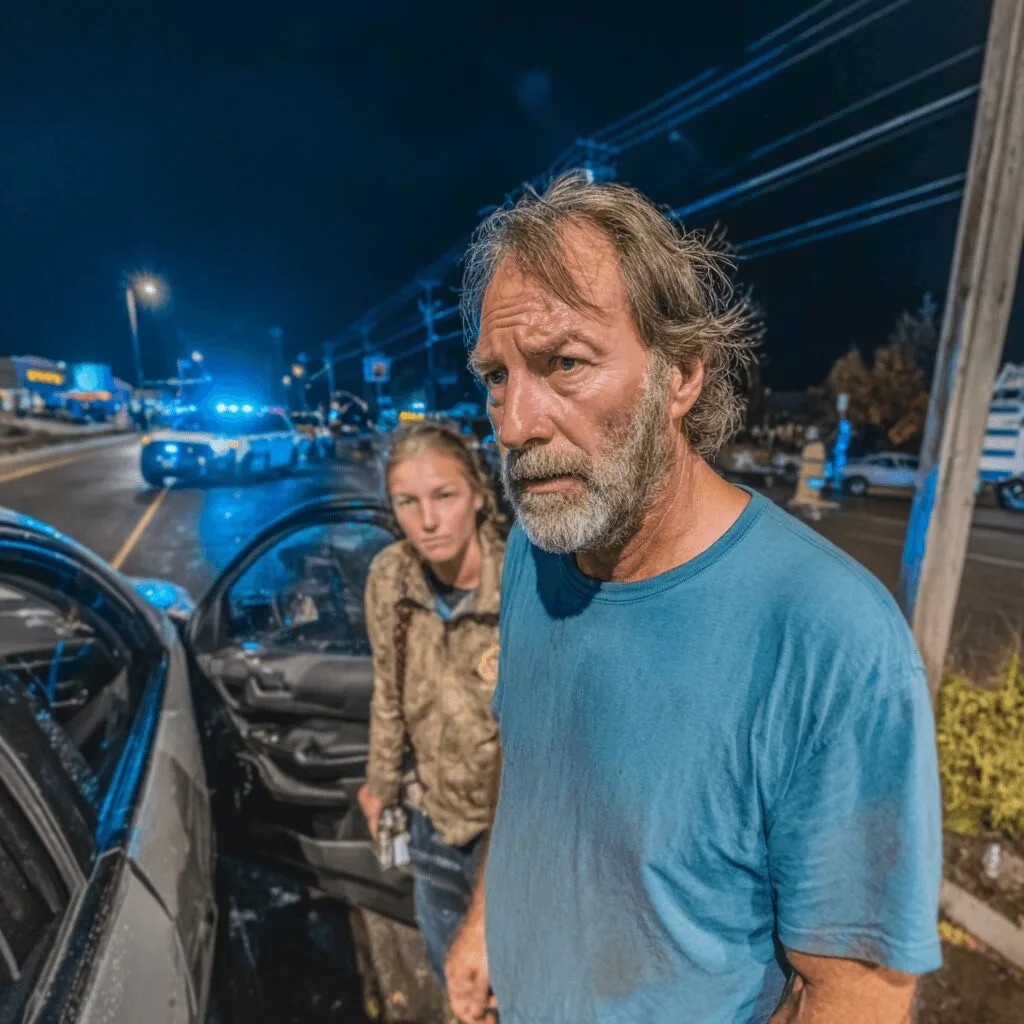
On October 19, 2025, local outlets reported a Princeton drug arrest that captured attention in this otherwise quiet town (WZDM News). According to official police statements cited by WZDM, officers responded to a disturbance on a suburban street just after dusk. Upon arrival, they encountered a middle-aged man beside an open car door, appearing visibly agitated.
On the car seat, police discovered what they identified as a small clear bag of cannabis and a glass pipe, items immediately seized as evidence. The man, whose identity was released by authorities, was charged with possession of marijuana under Indiana state law, a charge that still carries potential jail time and significant fines. Bystanders reported both concern and frustration, with some voicing skepticism over the response’s scale. Nearby streets soon filled with flashing lights, drawing attention well beyond the immediate neighborhood. The event quickly triggered social media debate, fueling questions about the appropriateness of such enforcement, especially as shifting attitudes regarding cannabis are being seen across the country. In comparison, states with more progressive policies, such as those highlighted in this recent examination of regulatory hurdles elsewhere, have begun to prioritize civil citations over criminal arrest. Despite the wave of reform, Indiana continues to uphold traditional penalties for minor cannabis offenses, as confirmed by The Indianapolis Star in their coverage of legislative deadlock.
Expert Analysis: Why the Princeton Drug Arrest Matters
The Princeton drug arrest offers more than a snapshot of rural law enforcement, it forces us to confront longstanding tension at the core of Indiana’s cannabis policies. As cannabis expert and attorney David Feldman stated to Leafly, “These incidents underscore the urgent need for consistency between evolving state and federal cannabis laws, and for communities to reconsider the public health impact of criminal prosecution for minor possession.”
Broader context matters here, as industry leaders nationally have pushed for reforms that balance social justice aims and booming market demand. This is reflected in ongoing market analysis and sales forecasts tracked by MJBizDaily. Yet in Indiana, where there is neither adult-use access nor significant harm reduction programs, a single incident can dramatically alter lives instead of spurring constructive policy debate. These outcomes—felt most sharply in small towns with heightened police attention and minimal public health support—contrast sharply with evolving best practices. Communities in other states are adopting more health-oriented approaches, as described in this guide on cannabis health implications, which explains why reform is so crucial. The Princeton drug arrest thus remains a touchstone for Indiana’s uncertain future in cannabis regulation and its lingering challenges around criminalization.
Looking Forward: Can Events Like the Princeton Drug Arrest Spur Change?
Despite setbacks, there’s good reason to remain optimistic for Indiana and towns like Princeton. Nationwide, more states are legalizing cannabis and shifting away from punitive enforcement, as tracked in the latest Pew Research report, which found nearly 88% of Americans support some form of legalization. Incidents such as the Princeton drug arrest draw attention to outdated state laws—putting pressure on policymakers to evolve. Legalization brings jobs, reduces criminal justice costs, and increases tax revenue, as highlighted by NORML and economic analysts. For cannabis advocates, it’s clear: Every headline like this is another nudge toward rational policy and lived community benefit. Until Indiana updates its laws, continuing education—paired with passionate, peaceful advocacy—remains our best tool. The future is green, even if progress sometimes arrives slowly in small-town Indiana. As social change accelerates, the next chapter for communities like Princeton may finally be written by and for the people who live there.
Originally reported by: wzdm.com
3 Comments
Pingback: Kewanee cannabis dispensary opening: What to Expect
Pingback: Cannabis Access Opioid Reduction: Breakthrough Relief Revealed
Pingback: Trump appoints Mark Savaya: Surprising Detroit Marijuana Move