

Psilocybin Mushroom Medicine: The Future of Healing
Psilocybin mushroom medicine is making serious waves across the wellness and healthcare scene right now. As traditional approaches hit roadblocks, alternative treatments like this are gaining both legitimacy and mainstream curiosity. With growing clinical research, evolving regulations, and real-world applications, conversations about psilocybin mushroom medicine are everywhere. Whether you’re a longtime supporter or just canna-curious, it’s all about understanding the movement and the science behind why everyone’s talking about medical mushrooms today.
Background: Regulatory Shifts, Changing Social Attitudes, and the Cannabis Parallel
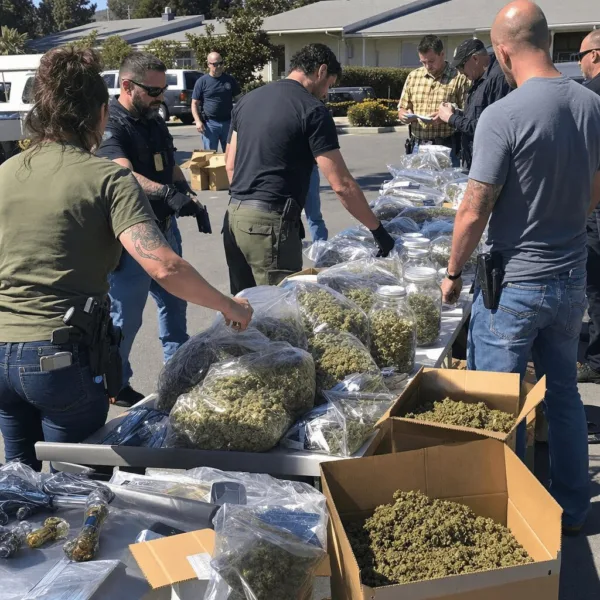
The path toward embracing psilocybin mushroom medicine closely echoes the cannabis journey, marked by heavy stigma, complex legal challenges, and a spirit of cultural pushback. After decades under prohibition, regulators in states like Oregon and Colorado have begun relaxing laws, opening the door for licensed, supervised use of psychedelic therapies. According to the DEA, psilocybin remains federally illegal under the Controlled Substances Act, but local and state initiatives are advancing regardless. Social acceptance is on the rise, with recent polls from Pew Research indicating a majority of Americans favor medical access, particularly for conditions such as PTSD and depression. This momentum mirrors developments seen in cannabis reform, where both medical professionals and grassroots organizations rally for safer, more inclusive policies supported by science. The market’s growth reflects these trends: analysts at Grand View Research forecast multibillion-dollar expansion in psychedelic medicine by 2027, led by innovations in medical-grade psilocybin and changing regulatory landscapes. Much like the cannabis scene’s early struggles with law enforcement, summarized in recent local cannabis arrest reports, psilocybin advocates are navigating—and slowly overcoming—similar barriers.
Key Developments: Legalization Steps, Clinical Progress, and Market Shifts in Psilocybin Mushroom Medicine
Change is happening rapidly in the realm of psilocybin mushroom medicine, especially after Oregon pioneered legal supervised adult use with Ballot Measure 109 in 2020. Colorado soon followed, approving Proposition 122 in 2022, which decriminalized psilocybin on a statewide scale and paved the way for regulated healing centers. Major industry players such as COMPASS Pathways and Usona Institute have earned crucial FDA ‘breakthrough therapy’ designations that help accelerate research for treatment-resistant depression. As highlighted by Nature, clinical trials through 2023 have shown substantial improvements for patients experiencing PTSD, anxiety, and substance use disorders after psilocybin-assisted therapy. In Canada, special Section 56 exemptions from Health Canada give certain terminal patients access to legal psilocybin treatment. Simultaneously, mainstream publications report a surge in legal treatment centers as interest grows among therapists—mirrored by debates now shaping potential medical access in other states such as Florida. As laws shift and professional demand rises, psychedelic mushroom medicine is entering the mainstream backed by clinical evidence and real demand.
Expert Analysis & Insights: Redefining Healing Frontiers for Cannabis and Psilocybin Mushroom Medicine
It’s clear that psilocybin mushroom medicine is altering traditional notions of healing in the medical community. As well-researched interventions gain awareness, even long-standing skeptics begin to reconsider their views. Forbes features Johns Hopkins’ Dr. Matthew Johnson: “We’re talking about a medicine that works when nothing else does, one grounded in real-world outcomes, not hype or nostalgia.” The similarities to the cannabis movement are unmistakable—both fields have overcome social stigma, entrenched legal opposition, and the slow pace of institutional change. Collaboration is now emerging through integrative clinics, co-therapies, and overlapping consumer interests. The scientific foundation grows stronger with every peer-reviewed study, endorsement from established therapists, and first-person account—whether from veterans or cancer survivors. As barriers fall, the message is clear: therapeutic cannabis and psilocybin mushroom medicine both deserve mainstream acceptance in healthcare. Reports on potential risks and realities of legalization remind us to keep the conversation nuanced, balancing optimism with an informed perspective as the industry grows.
Future Outlook: The Road Ahead for Mushroom and Cannabis Medicine
Looking to the horizon, psilocybin mushroom medicine could reshape modern healthcare the same way cannabis has. With credible clinical data stacking up and regulatory momentum building, we’re primed for a new era in mental health support. According to peer-reviewed research from the NIH, outcomes for treatment-resistant depression and trauma are fueling international conversations and fresh legislation. As state and federal lawmakers revisit outdated policies, expect to see more education, more patient access, and less stigma all around. For the cannabis community, this isn’t competition—it’s a sign that society values plant-based, evidence-rich wellness. Here’s to a greener, more open-minded future—one where healing means having real choices and powerful new allies. As we keep moving forward, one thing is clear: psilocybin mushroom medicine and cannabis are carving out a bold new frontier—together.
Originally reported by: hightimes.com