

marijuana cultivation arrests Taft: Shocking Details Revealed
The cannabis world is buzzing about the recent marijuana cultivation arrests Taft, where local law enforcement uncovered a major grow operation. As the industry evolves and regulations tighten, events like these show why legal compliance matters more than ever. This case in Taft, Maricopa exposes the balancing act between cultivation, law, and the impact on the local scene. Let’s break down what happened, why this is such a hot topic, and what it all means for the broader cannabis community.
Understanding the Legal and Social Backdrop in Taft
To get the full picture behind the marijuana cultivation arrests Taft, you need to know the legal climate in California. Despite statewide legalization for both adult-use and medical cannabis, local laws still dictate what’s allowed. Kern County, where Taft is located, has enforced tight restrictions on outdoor and commercial cannabis grows, sometimes running stricter than state guidelines. California Department of Public Health confirms that even licensed operators face patchwork ordinances.
Socially, Taft sits on the edge of large agricultural land and working communities, where some view cannabis as business opportunity, while others see risk. According to Los Angeles Times, illicit cultivation remains an ongoing challenge, often linked to water use, unsanctioned labor, or neighborhood pushback. This shapes the landscape where enforcement still makes headlines, even years after legalization rolled out statewide. In many places, evolving zoning decisions, such as those seen in Watertown’s cannabis dispensaries, highlight the importance of local rules in determining who can legally operate and where.
The Bust: Key Facts Behind the Marijuana Cultivation Arrests Taft
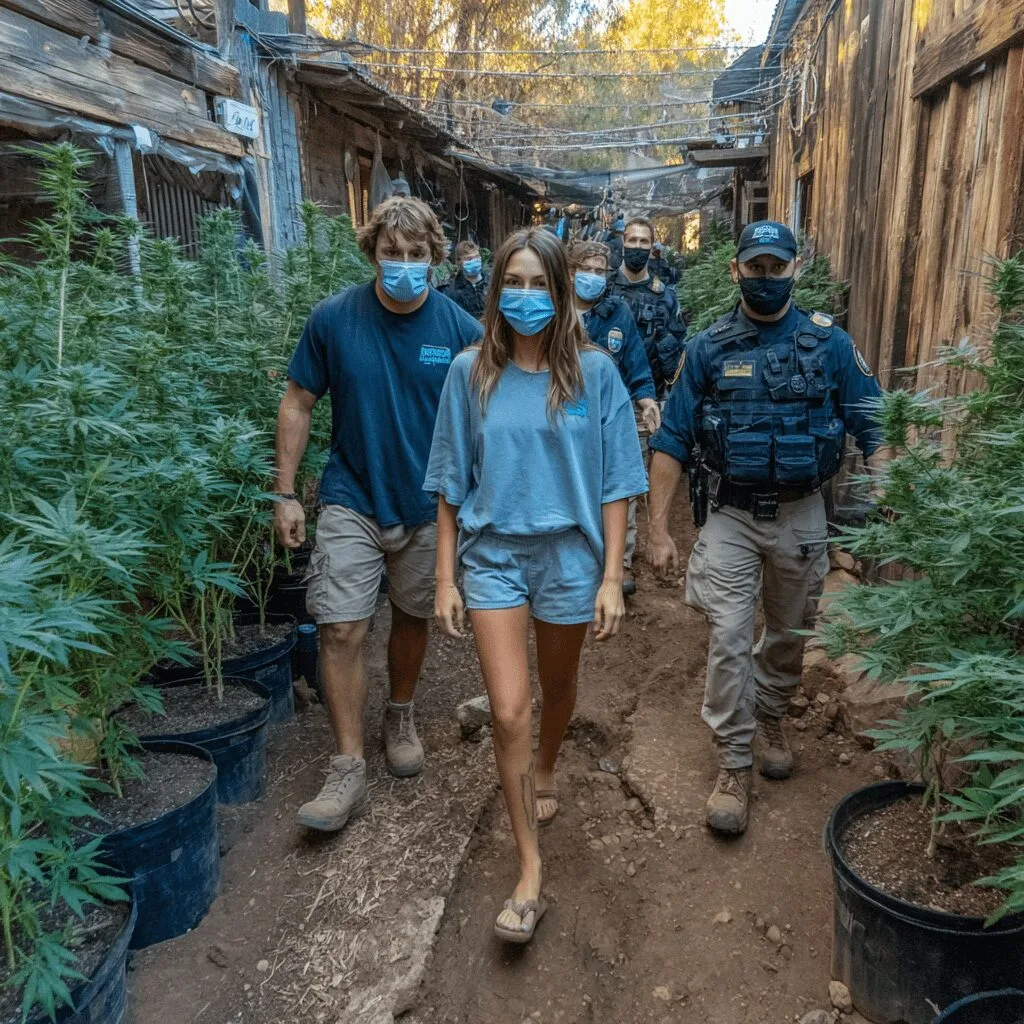
On a brisk spring morning, Kern County deputies made headlines by arresting five individuals on suspicion of cultivating over 2,800 marijuana plants near Taft and Maricopa. According to KGET News, the operation took down a sophisticated greenhouse grow, with thousands of mature plants seized and destroyed onsite. Law enforcement stated the grow did not comply with the county’s legal code, which prohibits most commercial cultivation.
The raid involved multiple agencies and highlighted ongoing enforcement against unlicensed operations, an issue tied closely to diverging local and state policies. Officers indicated the grow was part of a broader pattern of large, rural greenhouses popping up in the area, where property leases and agricultural infrastructure give ambitious growers a head start. All five suspects were booked, pending charges that could range from illegal cultivation to resource violations under state and county ordinances. These sorts of law enforcement actions reflect similar strategies seen in major cities, where other high-profile marijuana arrests, like those reported in Dallas police marijuana arrest reports, show that enforcement approaches vary significantly by region.
Expert Insights: What the Taft Arrests Mean for Cannabis
This Taft bust isn’t just about numbers, it’s a reflection of an industry grappling with legacy markets, evolving regulations, and gray areas in enforcement. Industry leaders like Amanda Reiman, a policy expert featured in Leafly, put it simply: “Legalization isn’t a light switch. Local rules and old-school stigmas can keep legal players in check, while underground markets find ways around.”
Unlicensed grows persist for many reasons, including access to land, cost barriers for legal entry, or sheer demand. Even as Cannabis Law Report notes record-setting legal sales, high compliance costs and taxes drive some cultivators underground. The shifting regulatory landscape means that markets across the country can face volatility too, as seen recently in Michigan where cannabis sales have started to drop. A robust regulatory system must strike the right balance between reasonable oversight, supporting legitimate operators, and snuffing out truly harmful practices, like using banned pesticides or diverting water.
The Road Ahead: Growth and Reform in the Cannabis Industry
Despite setbacks like the marijuana cultivation arrests Taft, the cannabis industry’s future is bright. Both statewide initiatives and continuous pressure from advocates are pushing for uniform regulations, fair taxes, and better education for operators and communities. According to MJBizDaily, California remains the largest and most dynamic cannabis market in the world. Each enforcement action is a reminder that transparency and compliance are key—while persistent market demand ensures that reform will keep moving forward. As more jurisdictions embrace regulation and social acceptance grows, the path for legal cannabis gets clearer, greener, and far more promising for both businesses and consumers.
Originally reported by: kget.com