




Oklahoma marijuana seizure: Shocking OBN Pawnee bust
The buzz is real: another large Oklahoma marijuana seizure has cannabis advocates and industry professionals chattering across the Midwest. This is more than just another headline—it’s a signpost in the ever-evolving world of cannabis law and regulation. As Oklahoma’s market skyrockets and regulatory eyes sharpen, the OBN bust in Pawnee puts the spotlight on the ongoing tension between policy, enforcement, and the economic realities faced by growers and distributors. We’ll dive into what went down, explore why these seizures spark heated debates, and examine what this all means for the future of legal cannabis in the Sooner State.
The Oklahoma Marijuana Landscape: Law, Culture, and Enforcement
Oklahoma’s legalization of medical cannabis back in 2018 triggered a gold rush, leading to one of the most open and fast-growing markets in the U.S. As reported by NORML, Oklahoma boasts over 12,000 licensed growers, making it a top supplier in the region. But this rapid explosion has come with complex challenges, especially in enforcement and compliance.
Part of Oklahoma’s unique regulatory environment is its combination of comparatively low entry barriers, a wide definition of qualifying conditions, and relatively inexpensive licensing. This has fueled small-business growth but also attracted scrutiny, as well as what regulators call “bad actors” exploiting the system for interstate trafficking, according to The Oklahoman. Law enforcement, particularly the Oklahoma Bureau of Narcotics (OBN), has ramped up oversight, leading to a wave of high-profile seizures and raids. Social perspectives are shifting, too, as legalization efforts circulate in neighboring states and Oklahoma voters consider adult-use broadening.
Curbside pickup options and regulatory changes are also reshaping the retail experience for many buyers, as detailed in this overview of curbside pickup regulations. Yet, even as acceptance grows, the thin line between legit business and “black market” operations remains contested territory. This sets the stage for the recent Oklahoma marijuana seizure in Pawnee, a case that lays bare the tug-of-war between growth and control.
Pawnee Seizure: What Really Happened?
Late last week, the Oklahoma Bureau of Narcotics (OBN) conducted a major operation near Pawnee, resulting in the seizure of more than 1,000 pounds of premium marijuana. According to the official OBN statement, their agents responded to tips about irregular transport activities along a rural stretch of road just outside the town.
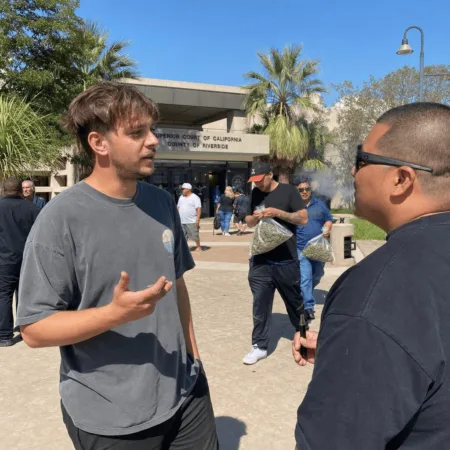
During the operation, officers discovered a cache containing several black trash bags and duffel bags, the source of strong, fresh cannabis aromas, barely hidden at the roadside. Images released showed raw bud and green plant matter spilling out, in what looked like an amateur attempt at concealment. OBN investigators on the scene wore plain clothes, blending in with the everyday rural landscape. Nearby, dusty pickup trucks provided cover as officers catalogued the scene and began the legal process of asset forfeiture.
Preliminary reports pointed to possible violations of state transport laws and unlicensed commercial activity. The OBN cited ongoing investigations linked to other recent grower busts and third-party entities allegedly involved in trafficking Oklahoma-grown cannabis across state lines. No formal arrests were announced at press time, but product destined for alleged out-of-state distribution was confiscated for evidence.
This latest Oklahoma marijuana seizure is just one in a series of enforcement actions as state agencies face mounting pressure to crack down on unlawful operators. For individuals dealing with chronic pain, these actions may impact how patients and healthcare professionals discuss potential cannabis solutions, as seen in changing trends illustrated by current GP discussions around cannabis use. The size and visibility of this bust underscore the seriousness with which officials view the ongoing risks of regulatory loopholes and the potential reputational fallout for legitimate medical marijuana businesses statewide.
Cannabis Industry Analysis and Ground-Level Insight
Oklahoma Marijuana Seizure: Implications for Patients and Operators
The Oklahoma marijuana seizure in Pawnee spotlights two sides of an old-school debate: How can we balance consumer safety, fair business practices, and sensible enforcement without hamstringing the legitimate industry?
Cannabis experts across Oklahoma have called for clearer regulatory guidance, especially as the market faces waves of both expansion and increased scrutiny. As Marijuana Moment notes, “Oklahoma’s cannabis crackdown shouldn’t come at the expense of small business entrepreneurs who played by the rules.” Regulatory confusion, combined with patchwork enforcement efforts, often leaves compliant players feeling like collateral damage.
Industry analyst Jamie Stegall, writing for Leafly, said: “What’s clear is that transparency and fair play must be a two-way street. Oklahoma regulators and honest operators owe it to each other, and the thousands of medical patients who depend on them, to ensure policies are both reasonable and enforced even-handedly.”
Patient perspectives matter as well, especially in light of new findings such as those from a recent CBD fibromyalgia pain study that revealed surprising benefits. At the street level, medical marijuana patients worry that high-profile seizures might lead to tighter rules or stiffer penalties, rather than commonsense reforms. Some see these crackdowns as necessary to weed out problematic actors, while others warn about dampening legitimate growth or pushing innovation underground. The Oklahoma marijuana seizure serves as a reminder that, in a maturing industry, robust oversight doesn’t need to translate to hostile enforcement.
What makes Oklahoma unique is the genuine grassroots drive behind its medical market. As Forbes underlines, “Despite bumps in the road, Oklahoma’s cannabis community has shown openness, adaptability, and a willingness to engage policymakers.” That culture of grit and collaboration offers hope the industry can weather occasional storms, while holding bad actors accountable.
Looking Forward: Seizures, Solutions, and Shifting Ground
Each Oklahoma marijuana seizure like the Pawnee event makes one thing clear: The industry is at a crossroads. With robust public support and a vibrant marketplace, Oklahoma’s cannabis sector is primed for positive change—provided policies keep up with on-the-ground realities.
Regulatory muscle is important, but long-term solutions lie in simplifying compliance, creating pathways for all players to operate aboveboard, and fostering deeper partnerships between authorities and the cannabis community. Ongoing education, transparency, and dialogue remain vital if Oklahoma hopes to sustain its reputation as an innovative market leader, not a cautionary tale.
As cited by Marijuana Policy Project, many believe Oklahoma is “well-positioned to be a model for sensible, fair, and safe cannabis regulation.” The hope is that well-meaning reforms, better law enforcement collaboration, and increased public understanding will help the industry—and patients—thrive.
So, while seizures spark debate and media firestorms, Oklahoma’s cannabis story is still just heating up. Here’s to fresh buds, fair play, and a greener future—one roadblock at a time.
Originally reported by: kfor.com
1 Comment
Pingback: Missouri dispensary rule changes: What you need to know now