

County Park Marijuana Regulations: What Visitors Must Know
Let’s be real—whether you’re a dedicated outdoors enthusiast or a casual park-goer, county park marijuana regulations are suddenly more relevant than ever. As marijuana laws continue evolving, local governments across the country are hustling to update public policies, especially in recreational spaces. With communities balancing personal freedoms against family-friendly vibes, recent debates about marijuana in parks have become a hot topic. In this article, we break down the key rules, spotlight the recent regulation shakeups, and help you navigate the overlap between nature, policy, and cannabis culture.
The Bigger Picture: Cannabis, Parks, and Policy Shifts
The landscape for county park marijuana regulations is shifting fast, pushed by both legalization momentum and heightened local scrutiny. Following the earlier waves of legalization in states like Colorado and California (Denver Post), local officials have begun dissecting how cannabis use blends, or clashes, with park environments. Nationwide, states are creating patchworks of local rules to manage everything from open container issues to secondhand smoke concerns. Local lawmakers say safety, community comfort, and enforceability drive most recent updates, and these debates are especially relevant as prices fluctuate dramatically from state to state, such as recent developments in Connecticut’s cannabis market. This context sets the stage for understanding how and why county park marijuana regulations are getting tighter, especially as public demand and usage patterns change.
According to a recent report by NORML, more counties now view cannabis use in public recreation areas as distinct from private consumption, requiring tailored rules and park-specific signage. The result is a patchwork of policies, and what flies in one county might be strictly prohibited in the next. Nationwide, most regions ban smoking or vaping any substance in playground zones, but enforcement and penalties can vary dramatically. Advocates continue pushing for sensible, evidence-driven approaches that balance relaxation with public safety.
Benzie County Crackdown: New Rules on Fires and Marijuana
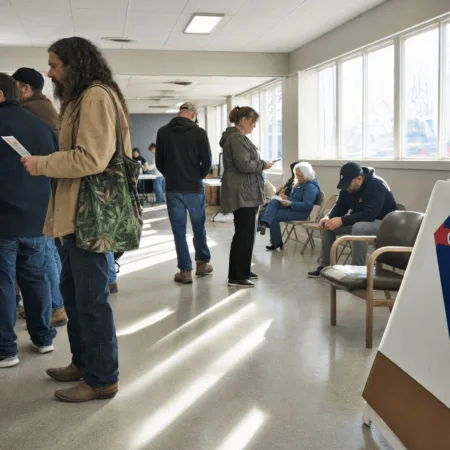
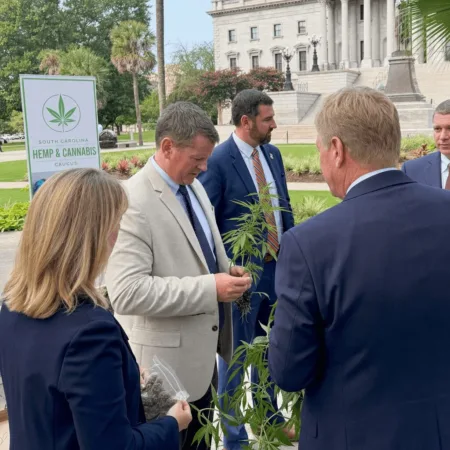
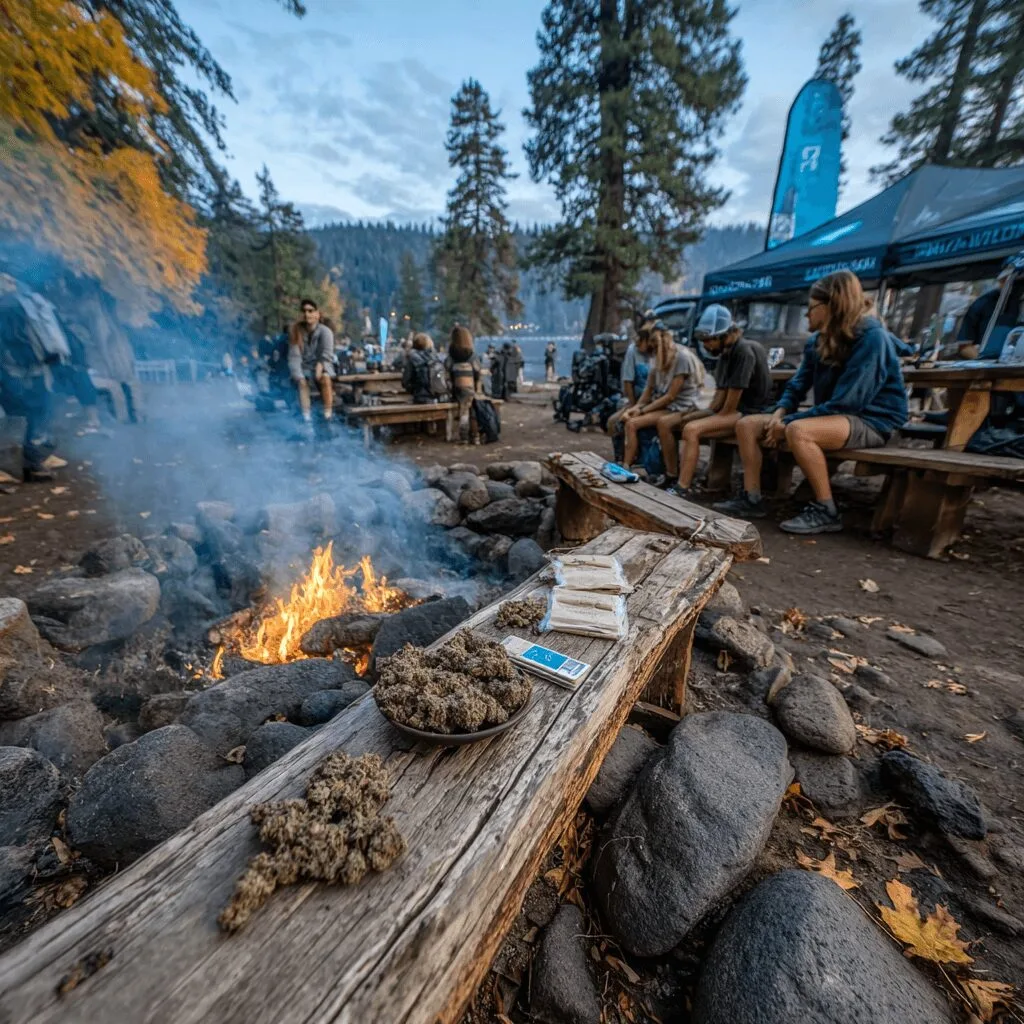
Zooming in, Benzie County recently took center stage in the county park marijuana regulations debate. According to local news coverage, the county’s Board of Commissioners weighed new restrictions on both campfires and on-site marijuana use in public parks. The meeting, held in June 2024, attracted local families, seasoned cannabis users, and policy leaders. The heart of the discussion? Concerns about secondhand smoke during family outings and increased fire risk during the dry summer season. The Board specifically debated ordinances that would ban both open marijuana use and recreational smoking near designated picnic areas, playgrounds, and fire pits. These debates are not isolated, as around the country legal cannabis sales are sparking nuanced local responses, like the recent approval of retail cannabis sales in Mower County, further drawing attention to the ripple effects of legalization policies in public spaces.
Proposed changes include written guidelines for park rangers, new signs at trailheads, and a hotline for witnessing regulation breaches. Officials also detailed plans to coordinate with local fire departments as part of broader wildfire prevention strategies, openly acknowledging the delicate dance between personal freedom and public responsibility. If passed, these rules would align Benzie with nearby counties that have already rolled out similar guidelines (MLive). As of mid-June, the vote was still pending, but public engagement had clearly intensified.
What These Changes Really Mean: Expert Takes & Nuanced Debate
So how do these county park marijuana regulations actually affect your day in the sun? According to industry analyst Jamie Cooper of Cannabiz Connection, “Communities are still learning how to balance the normalization of cannabis with public space etiquette. The key is crafting rules with input from everyone affected, from families to patients and longtime enthusiasts.” (Cannabiz Connection). Relatedly, major regulatory changes at the federal level, such as reshuffling cannabis under new federal guidelines, illustrate the evolving nature of cannabis policy and enforcement.
Experts stress the need for clarity and fairness. Overly aggressive regulations could push responsible users further underground, undermining public trust and safe consumption education. At the same time, a lack of structure may discourage park visitation among families or non-users worried about exposure. Several leading cannabis policy groups, like the National Organization for the Reform of Marijuana Laws (NORML), urge municipalities to focus on education, safe spaces, and restorative practices rather than punitive measures. Ultimately, local officials agree that input from both public health experts and cannabis advocates is crucial for long-term solutions.
While Benzie County’s steps mirror other parts of Michigan, the broader aim is clear: to keep parks welcoming for all without demonizing responsible cannabis use. As Jamie Cooper notes, “Local governments have a genuine opportunity to shape policy through community dialogue, rather than top-down crackdowns.” And as plant-derived therapies are being evaluated across sectors, including their application in veterinary contexts, it’s clear that broader social discussions about cannabis are informing how regulations get updated at the community level.
Looking Ahead: Adapting, Advocating, and Growing Together
County park marijuana regulations will keep evolving as cannabis culture cements its spot in mainstream life. Policy changes spark fresh conversations about equity, access, and public health. As noted by Marijuana Moment, the trend is moving toward more nuanced, community-specific rules that welcome everyone—without unnecessary fear or stigma.
The good news? Open discussion, real evidence, and continued engagement can lead to smarter, more balanced regulations. Whether you’re lighting up—or just lighting a campfire—with friends, staying informed helps you enjoy public spaces while respecting new boundaries. County park marijuana regulations may still cause headaches, but with respectful advocacy and creativity, the future looks bright for everyone who loves nature and responsible cannabis enjoyment alike.
Originally reported by: recordpatriot.com