






THC product enforcement: Are cease-and-desist letters working?
The cannabis market is on the brink of a new enforcement era. Across small towns and big cities, debates over unregulated THC sales are heating up. THC product enforcement now sits at the heart of state crackdowns. Industry insiders and everyday customers are watching closely. Will cease-and-desist letters truly curb illicit sales, or are they just another headline? Dive in as we break down the latest moves, regulatory shifts, and what it all means for the cannabis community.
The Evolving Landscape: Background & Context on THC Product Enforcement
Ever since hemp-derived compounds blurred the once-clear legal boundaries, THC product enforcement has become a leading topic for policymakers and entrepreneurs. The 2018 Farm Bill, according to Congress.gov, legalized hemp and its compounds under 0.3% delta-9 THC by dry weight. But with booming demand, the marketplace ballooned with edibles, vape cartridges, and synthetics that skirt regulations. As legal sales grew in licensed dispensaries, unlicensed outlets also rose, confusing customers and shaking up local economies. Recently, in states with rapid cannabis market expansion, unique strategies for regulation have emerged as seen in innovative approaches undertaken in Canada.
State authorities, especially in places like Nebraska and Minnesota, are wrestling with how to protect consumers, keep products safe, and prevent underage sales. Industry advocacy groups, such as the National Organization for the Reform of Marijuana Laws (NORML), argue that clear, fair enforcement supports reputable businesses and shields customers from unsafe knockoffs. Social stigma around cannabis is softening, but regulatory inertia lingers. The gap between state and federal law complicates local THC product enforcement further, leading cities to try unique solutions, from education campaigns to aggressive letter-writing sprees.
Cease-and-Desist Letters, Lawsuits, and Storefront Drama: Key Developments & Issues
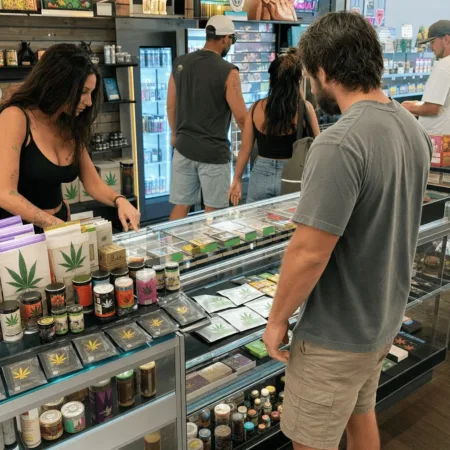
The drama reached a head in early June, as reported by the Norfolk Daily News. State officials mailed cease-and-desist letters to dozens of Nebraska retailers selling THC edibles and vapes. The missives put stores on strict notice: cease unauthorized THC sales immediately, or face significant fines and possible criminal penalties.
This wave of enforcement is hardly isolated. In May, neighboring Minnesota regulators issued sweeping warnings to shopkeepers, underlining the risks of selling unregulated cannabinoids (Star Tribune). Local law enforcement and the Nebraska Liquor Control Commission have each staked out methods to crack down on retailers. According to Omaha World-Herald, authorities are citing ambiguous labeling, synthetic blends, and products that exceed legal THC limits as targets. These interventions echo recent actions such as community-led resistance against controversial law enforcement tactics in Kansas CBD and cannabis shops.
Some stores, caught by surprise, quickly pulled questionable goods from their shelves. Others argue that the rules are vague. In fact, some retailers maintain they source only federally compliant, hemp-derived delta-9 gummies—raising debates about intent versus content. Meanwhile, customers are left in limbo, uncertain if their favorite store will be the next to shutter or adapt.
Expert Analysis & Insights: Peeling Back the Layers
When it comes to THC product enforcement, the situation is as complex as a perfectly rolled joint. Retailers, many just trying to serve their communities, are caught in an endless tug-of-war with evolving state laws. According to Leafly, the lack of federal clarity on hemp-derived cannabinoids has “created a gray market where confusion reigns for both buyers and sellers.” Dr. Amanda Reiman, a respected cannabis policy expert at Drug Policy Alliance, sums it up best: “Enforcement should protect consumers, not punish responsible businesses doing their best to comply.”
Sending cease-and-desist letters can grab headlines, but their real-world impact is mixed. Some stores instantly comply, especially those lacking legal counsel or resources. Larger, well-established shops often adapt with better labeling, testing, or a quick legal consultation. THC product enforcement is intended to enhance safety, but a whack-a-mole approach risks pushing some operators further underground, hurting consumers more than helping them. Meanwhile, regulatory resources are finite, making broad enforcement tough to sustain. These evolving safety concerns recall the health comparisons between legal cannabis and other regulated substances, illustrated by ongoing discussions about marijuana versus alcohol health risks.
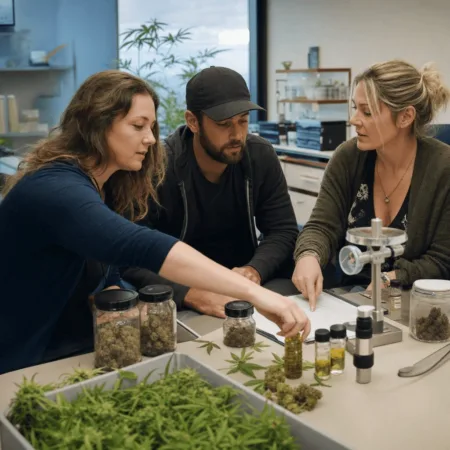
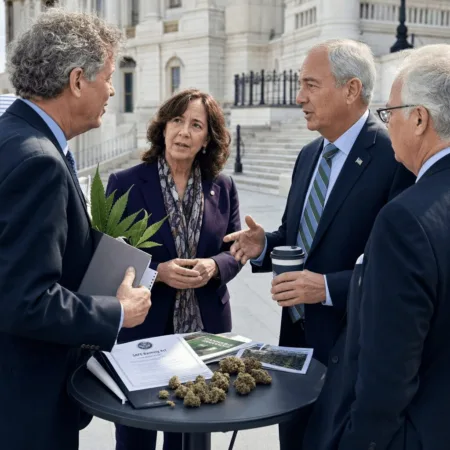
Industry experts stress that meaningful change requires a synchronized blend of clear guidance, consumer education, and smart enforcement. Any move targeting THC product enforcement should also build trust between authorities and the cannabis community, rather than creating resentment or confusion.
Future Outlook & Conclusion: A Brighter Path Forward
The forces behind THC product enforcement are likely here to stay. Yet, the story doesn’t stop with cease-and-desist letters. Instead, this moment could spark much-needed conversations between retailers, regulators, and community stakeholders. The cannabis industry continues to grow, powered by increasing acceptance and robust consumer demand. According to New Frontier Data, the U.S. legal cannabis market is projected to exceed $50 billion by 2030.
Expect to see more states fine-tune their rules, rolling out pragmatic approaches that spotlight both safety and economic opportunity. Education, clear guidance, and open communication will help align everyone’s interests—keeping consumers safe while supporting responsible shops. The road may still have bumps, but the cannabis community is resilient and always ready to adapt. As THC product enforcement evolves, so too does the spirit of innovation and advocacy defining this ever-changing industry. One thing’s for sure: this green revolution isn’t slowing down anytime soon.
Originally reported by: norfolkdailynews.com
1 Comment
Pingback: Prince George BC cannabis store closure: What you need to know