



Alcohol Sales Decline: Cannabis Impact Shocks Industry
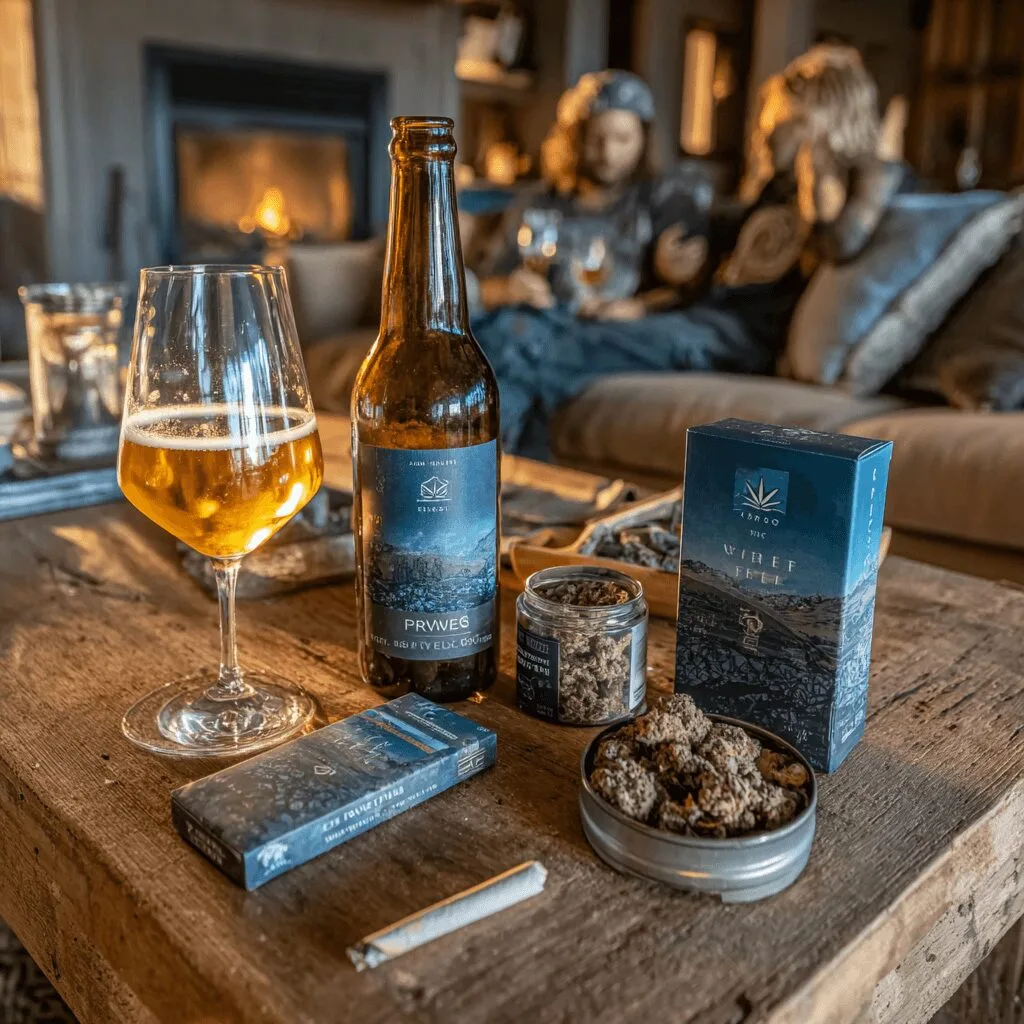
Anyone who’s paid attention lately knows the buzz: alcohol sales are dropping, and cannabis is getting the credit (or blame, depending on your view). This isn’t just a quirky stat—it’s news that matters right now, as regulators, businesses, and consumers try to make sense of shifting social habits. The focus keyword phrase—alcohol sales decline cannabis—is all over recent headlines as companies and lawmakers weigh profits, public health, and new laws. This article dives into what’s behind the headlines, the latest developments, and why this changing landscape is about more than numbers—it’s about a culture in transition.
How Regulations, Markets, and Attitudes Set the Stage
To really understand why alcohol sales are declining as cannabis rises, you’ve got to look at the bigger picture. Since states began legalizing recreational cannabis, starting with Colorado and Washington back in 2012, according to Pew Research Center, the vibe around cannabis has shifted from counterculture to mainstream. Federal prohibition is still in play, but over 20 states now allow recreational use, and medical cannabis is legal in many more. At the same time, alcohol faces increasing scrutiny for health impacts, drinking-age laws, and a younger generation keen on wellness. Major alcohol companies have even hedged their bets by investing in cannabis ventures—a sign that the market knows which direction things are heading. Socially, cannabis is becoming normalized, showing up at house parties, after-work gatherings, and even in wellness circles—a far cry from the old, low-key image. All these factors are creating a perfect storm where alcohol sales start to dip as cannabis draws the crowd. For deeper context on how regulatory shifts and legal developments have changed specific counties, you might explore cases like the real marijuana trails exposed in counties like Garvin County, providing direct insight into the intersection of law and market evolution.
Major Industry Shifts: What’s Actually Happening?
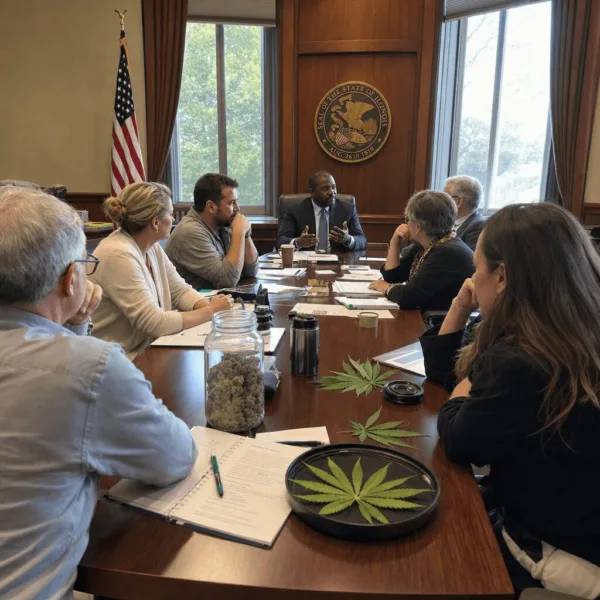
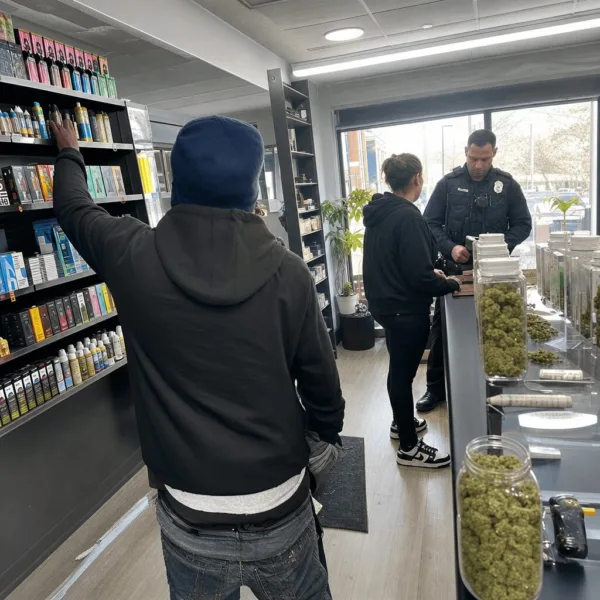
The original article reports a headline shift: alcohol sales, long considered recession-proof, are now slumping in areas where cannabis is legal and easily available. According to Rochester First, sales of beer, wine, and spirits have fallen over the last two quarters. Industry analysts attribute much of this decline to the public’s increased access to legal cannabis. Major companies, like Constellation Brands and Molson Coors, have acknowledged reduced demand and have reported lower earnings from important markets—especially in states such as California, Illinois, and Michigan. Several regulatory filings, as referenced by Bloomberg, point to a substitution effect: customers are literally swapping the six-pack for a joint or edible. Locally, small businesses, bars, and liquor stores are feeling the impact, with quieter weekends than before. Meanwhile, tax receipts in legal cannabis states show a sharp increase as cannabis revenue growth outpaces that of alcohol. These disruptions aren’t just theoretical; actual numbers from state departments and company financials all point in this direction. As new laws and bans emerge in other markets, such as growing controversy and looming prohibitions on products like THC-infused beverages in Ohio, a recent ban threat in Ohio reveals how legislative changes can accelerate or hamper these shifts.
Industry Insider Take: Why the Shift Makes Sense
So, what’s fueling the continued momentum in alcohol’s decline as cannabis becomes more mainstream? For one, cannabis is no longer considered something just for counterculture; today it appeals to wellness enthusiasts, social users, and even those looking for relaxation without the negative aftereffects. According to a recent MJBizDaily analysis, “Consumers are rethinking alcohol and view cannabis as a safer, less socially damaging alternative for everything from pain relief to winding down after a long week,” says cannabis economist Amanda Reiman. This shift is also fueled by changing attitudes among younger generations, like Gen Z, who are drinking less and prioritizing memorable experiences over intoxication. Health concerns—such as those cited by the CDC—add further weight to this movement. Alcohol companies are innovating and even crossing over, investing in cannabis or developing infused beverages. As Forbes notes, this is not a short-term fad but a true industry-wide shift. For a look at how similar cultural changes are shaping broader policy and investment moves, recent surges reported in market updates around cannabis policy news and investor reaction underscore just how widespread the change has become.
The Road Ahead: More Chill, Less Booze
Looking forward, the alcohol sales decline cannabis story is just getting started. As legal barriers fade and market maturity kicks in, cannabis is well-positioned to keep winning hearts—and wallet share. Regulatory improvements, like ongoing federal reform discussions (Marijuana Moment), signal more mainstream acceptance ahead.
This isn’t bad news for everyone—it’s a call for alcohol brands and hospitality venues to innovate or collaborate. As society continues shifting away from old stereotypes and embraces new rituals, both industries can thrive if they adapt. For cannabis advocates and brands, there’s plenty of runway for education, wellness integration, and community-building. The trend shows that cannabis isn’t cannibalizing culture; it’s helping shape a healthier, more conscious approach to socializing and relaxation. In my opinion—that’s a change to celebrate with a raised joint, not a raised glass.
Originally reported by: rochesterfirst.com

1 Comment
Pingback: Tilray Brands cannabis growth: What Analysts Are Predicting