





Tribal Influence Cannabis Industry: See Who’s Changing the Game
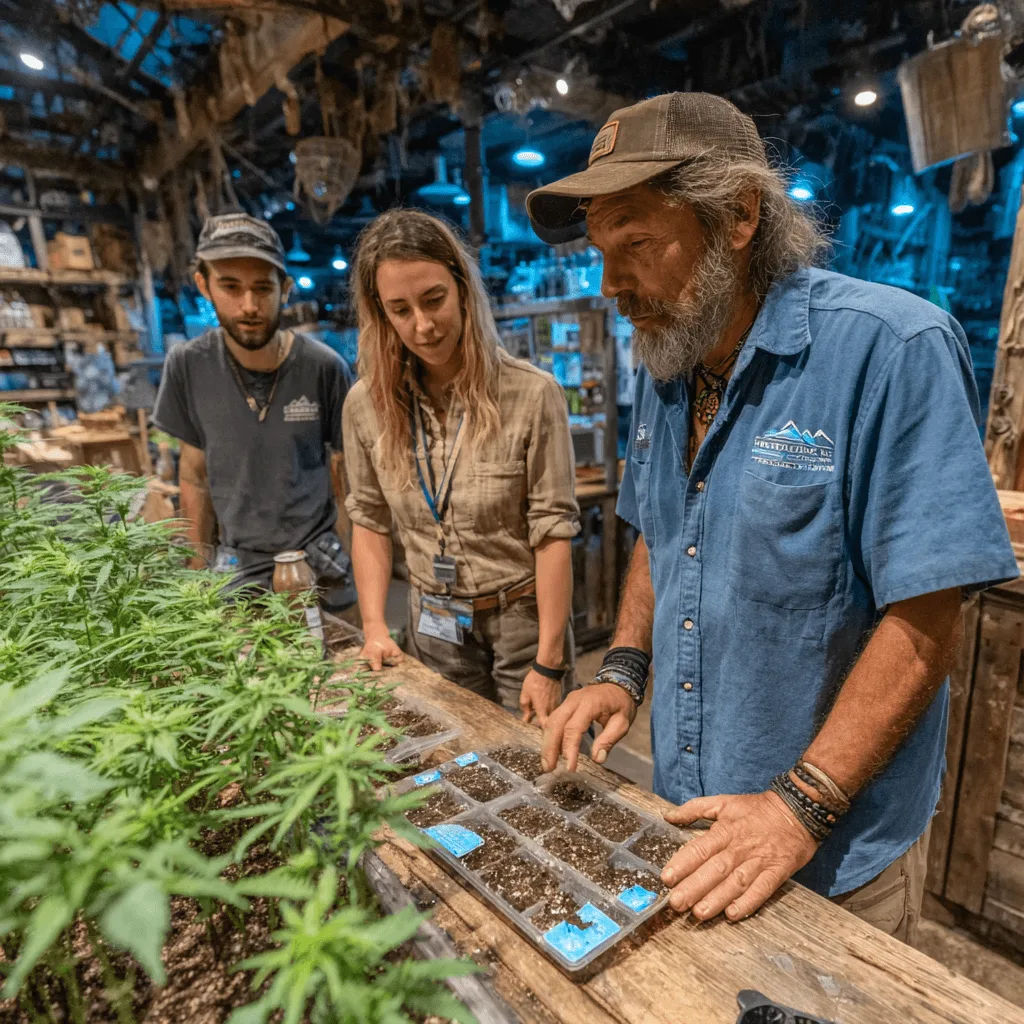
The tribal influence cannabis industry narrative is making serious waves right now. Why? Native American tribes are emerging as major power players, flipping the script on who’s leading — and profiting from — legal weed. With new economic opportunities, rapidly shifting regulations, and historic underrepresentation in mainstream cannabis, tribes are leveraging sovereignty to shape justice and business. From landmark business ventures to policy breakthroughs, the impact is being felt nationwide. Let’s dig into how tribal leadership is rewriting the cannabis playbook and what that means for the industry’s future.
Background: How Tribal Sovereignty Sparks a Cannabis Revolution
Understanding the tribal influence cannabis industry trend means looking at tribal sovereignty. Unlike state-licensed operators, Native American tribes possess a unique legal status in the U.S. This sovereignty lets many tribes create their own cannabis laws, sidestepping some state-level constraints. According to Brookings Institute experts, some tribes have leveraged this legal status not only for economic gain but also for social justice. Facing historic exclusion and poverty, tribal communities now view cannabis as a chance to create jobs, fund health care, and reinvest in their lands. While federal patchwork laws and stigma still affect how tribal cannabis unfolds, it’s important for these communities to protect wellness and consumer safety—which reminds some observers of ongoing medical cannabis misinformation challenges spread on platforms like YouTube. Investors, lawyers, and policy groups all watch this fast-moving space, aware tribal cannabis is both a business and a statement of self-determination.
Key Developments: Tribes Stepping Up, Breaking Ground
The latest stories show Native tribes going all-in on the tribal influence cannabis industry, with innovative projects going beyond just farms. Let’s get specific:
- In New York, the Shinnecock Indian Nation is constructing a massive cannabis dispensary and cultivation facility on their reservation, leveraging sovereignty to bypass state delays. (Source: MJBizDaily feature).
- Washington’s Puyallup Tribe runs the highly successful Salish Cancer Center and also launched the Commencement Bay cannabis store, proving vertical integration isn’t just for MSOs.
- California’s Iipay Nation of Santa Ysabel opened a 20,000-square-foot cultivation operation right as recreational legalization kicked in, outpacing several surrounding counties.
- Since 2014, after the Cole Memorandum and the Wilkinson Memo, the Department of Justice essentially greenlit certain tribal cannabis activities, provided tribes had robust regulatory systems. (Source: U.S. DOJ).
- Across the Midwest, the Menominee and Santee Sioux have pushed to reframe cannabis as a tool for wellness, economic resilience and criminal justice reform, not unlike how certain THC-related enforcement actions in regions like Kansas continue to impact local communities.
Despite some legal dust-ups, the movement is surging with new retail stores, branded flower, and council-driven economic development. Meanwhile, Native-led advocacy groups push for federal reforms that acknowledge tribal rights in future policy crafting.
Expert Analysis: What Do These Shifts Really Mean?
Let’s keep it real: the tribal influence cannabis industry development is not just a passing trend—it’s a blueprint for rethinking inclusion and innovation in weed. As Vivian McPeak, founder of Seattle Hempfest, told Leafly, “Tribes bring a level of vision and perseverance the entire industry should be learning from. Their approach to regulation, community, and plant respect stands out.” These operations often exemplify strict compliance and sustainability, illustrated by Oklahoma tribes’ own self-imposed testing protocols. On the investment side, industry analysts at New Cannabis Ventures report that investors increasingly see tribal partners as strategic, helping to fast-track launches and reduce regulatory friction. Moreover, transparent and accredited processes are increasingly valued, mirroring the way accredited cannabis certification is transforming access and trust for operators throughout the supply chain. Despite persistent challenges—federal ambiguity, banking issues, lingering stigma—tribal leadership is setting new standards for criminal justice reform, inclusion, and medicinal research. While the rest of the industry contends with consolidation and surplus, tribes are building resilient, community-focused models that are winning respect across the board.
Future Outlook: Tribal Influence Cannabis Industry — Growing Stronger Every Day
Looking forward, tribes are poised to play an even more influential role in cannabis. With Congress considering federal cannabis reform, key groups like the National Congress of American Indians are actively shaping policy talks. The tribal influence cannabis industry isn’t skipping a beat; if anything, it’s charging ahead with fresh ideas on restorative justice, economic empowerment, and cultural respect. According to projections from respected industry sources, tribal cannabis operations—if backed with fair federal policy—could set new standards for social impact, job creation, and product quality. People in every corner of the cannabis world are watching closely, and it’s pretty clear: when tribal voices lead, the entire industry benefits. Whether it’s better laws, new business models, or a renewed sense of community, tribal leaders are proving that the cannabis revolution is just getting started.
Originally reported by: mjbizdaily.com
1 Comment
Pingback: Farm Bill Hemp Loophole: The Gray-Market Boom Exposed