Avondale I-10 DUI Crash: Shocking THC & Alcohol Details
Headlines are blazing as the Avondale I-10 DUI crash draws national attention—mix one of Arizona’s busiest highways with cannabis and alcohol, and you’ve got a perfect storm of controversy. This case isn’t just about a tragic accident; it’s shining a light on the intersection of cannabis legalization, responsible use, and serious legal consequences. As both the cannabis industry and public scrutiny evolve, what happened near I-10 is more than a local story—it’s got ripple effects for advocates, policymakers, and consumers coast to coast. Read on for an authoritative, no-nonsense breakdown of everything you need to know about the Avondale I-10 DUI crash, including expert analysis and what it means for the future of cannabis on American roads.
Understanding the Legal Landscape: Cannabis, Alcohol, and Arizona Highways
Before ripping the bong or sipping a brew, Arizonans better check the local ordinances: cannabis may be legal for adults, but driving after consuming THC or combining it with alcohol can land you in the legal hotbox. According to the Arizona Revised Statutes, driving under the influence covers both alcohol and “any drug defined under state law.” And yes, cannabis definitely counts. With recreational use only legalized statewide in November 2020, the market has exploded (MJBizDaily), but so has scrutiny over consumer responsibility. Law enforcement has stepped up impairment training, and roadside testing protocols are getting more nuanced, but the debate over how THC impairment is measured and prosecuted continues to ignite heated discussions in courtrooms and on social media alike. Headlines across the nation, from recent enforcement controversies in Kansas to developments in Arizona, show that the balance between public safety and responsible legalization remains a challenge.
Avondale I-10 DUI Crash: What Happened and Why It Matters
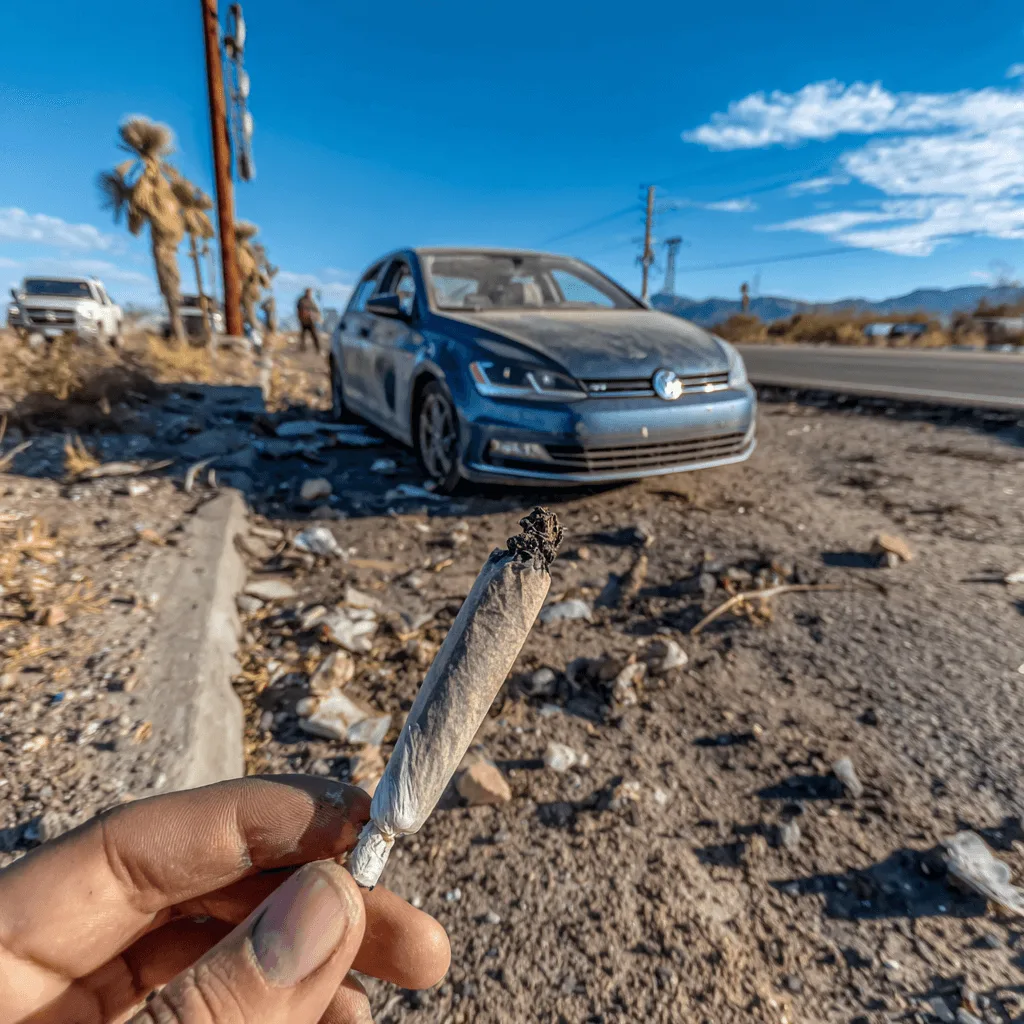
Let’s drill down: On October 7, 2025, Arizona Department of Public Safety (DPS) reported a devastating crash near Avondale on the I-10. According to Arizona’s Family news, an Avondale resident crashed a late-model sedan into another vehicle on the shoulder, resulting in the tragic death of a young girl. DPS investigators quickly determined the driver was under the influence of both alcohol and THC at the time of the collision.
Court filings, reviewed by credible local outlets, allege the motorist showed clear signs of impairment both at the scene and in subsequent toxicological analysis. The suspect now faces serious felony DUI and manslaughter charges, intensifying scrutiny on both police procedures and Arizona’s legal definitions of drugged driving. Stories like this parallel other recent incidents involving marijuana product safety and hidden household risks, such as a disturbing marijuana processing room arrest that exposed hidden hazards in a residential environment. The Avondale I-10 DUI crash thus becomes a stark illustration of the risks surrounding impaired driving in the era of legal cannabis.
This isn’t the first high-profile cannabis-involved crash in Arizona, but the details are disturbing: witnesses reported everyday scenes, a sun-drenched desert highway and casual roadside gathering, until everything changed in a moment. The tragic loss is reminding everyone that driving under any intoxicant, even one with growing public and medical support, can have massive real-world consequences. Add in the dual presence of alcohol and THC, and the story becomes a catalyst for debates on regulation, testing methodology, and criminal liability.
Expert Cannabis Industry Takes: Balancing Responsibility & Science
The Avondale I-10 DUI crash has reignited essential questions for the cannabis sector, regulators, and advocacy groups. As Leafly recently reported, Arizona’s framework often relies on “per se” DUI laws that don’t always align with real impairment—unlike blood alcohol, THC doesn’t tell a simple, linear story.
Industry experts are quick to warn against knee-jerk reactions. “Cannabis impairment is complex, current field tests rarely capture whether someone is actually high, and setting arbitrary THC limits is both unfair and unscientific,” says Morgan Fox, Political Director at the National Organization for the Reform of Marijuana Laws (NORML). Case studies from other states, such as recent marijuana plant seizures and legal debates in Oklahoma, reveal that evolving policy and enforcement can have unintended consequences affecting both local justice and industry reputation.
Seasoned cannabis professionals and scientists are also pushing for better education—both for consumers and law enforcement. Statistics from the National Institute on Drug Abuse stress that multi-substance use (alcohol plus cannabis) substantially increases crash risk, but also caution against confusing possession or trace THC with actual impairment. Some states, like Colorado and California, are investing heavily in new roadside detection technology and public campaigns focused on responsible use. The consensus: science and law need to evolve together, and the cannabis space can’t afford to ignore public safety or community trust.
The Road Ahead: Safer Highways, Smarter Cannabis Regulation
What’s clear after the Avondale I-10 DUI crash is that the cannabis industry’s future depends on blending freedom with responsibility. Arizona’s legal market is booming, and the wider U.S. trend toward decriminalization and medical access isn’t slowing—Marijuana Moment reports that federal reform efforts are gaining unprecedented support. This is an exciting time, but it’s also one that demands transparency and honesty from everyone—regulators, businesses, and consumers alike.
No, the Avondale I-10 DUI crash doesn’t mean cannabis legalization is reckless, but it does make clear that real-world education, effective regulation, and solid science are mandatory if the plant is going to keep winning public trust. By promoting responsible consumption, supporting robust research, and maintaining compassion for those affected by tragedies, the cannabis movement can continue to grow in good conscience and good vibes. Here’s to safer drives, smarter laws, and a future where everyone gets home in one piece.
Originally reported by: azfamily.com