




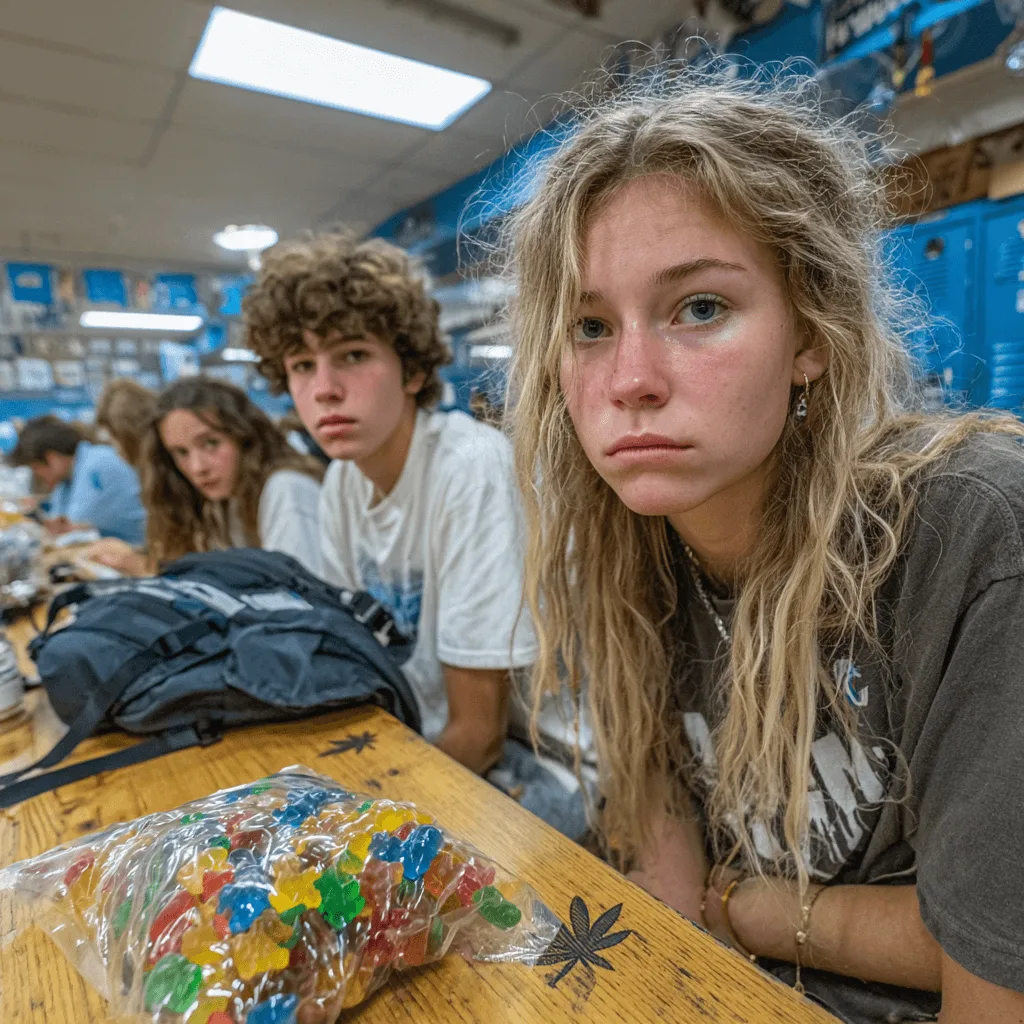
Students THC Edibles Incident: What Really Happened?
The “students THC edibles incident” is commanding headlines nationwide, and with good reason. Stories about cannabis-laced treats unintentionally landing in students’ hands have put families, schools, and the entire cannabis industry on high alert. As cannabis products become more common off and sometimes even on school property, everyone — from educators to policymakers — wants answers and better safeguards. Let’s tap into the heart of the students THC edibles incident to see what really went down in Bell County and why this story matters to the future of cannabis policy, safety, and education in America.
The Modern Cannabis Landscape: Regulation Meets Social Reality
To really grasp the students THC edibles incident, it’s crucial to understand the ever-shifting cannabis landscape in the United States. Decriminalization and legalization efforts keep gaining momentum, with over 20 states now allowing recreational sales and dozens more embracing medical programs (NORML). Recognizing these changes, a number of states find themselves at vastly different endpoints: for example, patients in some areas continue to face daunting obstacles, echoed by stories about patients left in limbo due to legislative delays in medical marijuana access. Yet, with legalization comes a challenge: edible cannabis products mimic common candies, which can lead to accidental or intentional consumption by minors. The FDA and several state regulators have repeatedly cautioned about the risks of edibles that look like harmless sweets, urging parents and educators to stay alert. In this climate, both opportunity and risk stack up fast. The cannabis market is booming, but safety and compliance standards are desperately trying to catch up. This tension set the stage for the recent students THC edibles incident, making its lessons all the more urgent.
A Closer Look at the Students THC Edibles Incident in Bell County
Here’s what went down. According to FOX44 News, several students at Shoemaker High School in Bell County, Texas became desperately ill after reportedly consuming gummy candies potentially laced with THC. The event occurred in the campus cafeteria, with symptoms ranging from nausea to dizziness, the kind you definitely don’t want mid-math class. School staff reacted quickly. The school nurse and administrators provided immediate medical attention, and local authorities arrived to support the investigation. The source of the edibles, whether purchased or gifted, legitimate or bootleg, is under investigation. Law enforcement, in partnership with school security, began testing the candies and reviewing surveillance footage. Public anxiety heightened based on incidents like these that have challenged other communities, such as the Newton Police drug-related school investigation. As for consequences, campus and district officials referenced strict zero-tolerance policies, aligning with Texas’ tough stance on cannabis in any K-12 setting (Texas Tribune). The students THC edibles incident rapidly made news statewide, sparking renewed debate among parents, educators, and policymakers over what more can be done to prevent this from happening again.
Expert Insights: Lessons and Industry Wisdom on the Students THC Edibles Incident
To cannabis insiders, incidents like this ring alarm bells, but also spotlight critical education gaps. While the plant’s mainstream reputation improves, safe and responsible use must remain the mantra. Cannabis edibles look and taste like fun treats, which is why responsible labeling and packaging are industry musts. “Accidental ingestion is a serious public health issue, not a condemnation of cannabis itself. As the market matures, rigorous packaging rules and public education should minimize these risks,” said Amanda Reiman, Ph.D., Chief Knowledge Officer at New Frontier Data. Recent reports from Leafly highlight that child-resistant packaging and bans on cartoon imagery are proven to reduce accidental consumption in legal states. A noteworthy trend is that industry and regulatory conversations increasingly examine how broader economic changes (like cannabis tax policy shifts in states such as Michigan) may impact not just business, but also education and safety initiatives. The students THC edibles incident underscores the need for ongoing industry vigilance, better retail training, and closer cooperation with schools and parents to avoid repeats of this scenario. The good news: most legal producers and retailers are already doubling down on best practices. But as the gray market persists, these safety lessons remain doubly relevant.
The Path Forward After the Students THC Edibles Incident
The students THC edibles incident isn’t just a local headline — it’s another signpost in America’s journey toward smarter, safer cannabis policies. Every crisis brings innovation: expect tougher safety standards, more parent education nights, and stronger school partnerships state by state. At the heart of the solution is honest dialogue, not stigma, and a willingness by everyone—consumers, businesses, educators—to play a part. According to trusted industry trackers at Hemmings, the cannabis industry is evolving to meet these challenges creatively, without undercutting progress. The takeaway? With each incident, the industry and society learn, adapt, and strengthen safeguards. Cannabis isn’t going anywhere, but the way we introduce and manage these products is definitely getting smarter. Stay tuned; the journey is just getting started—responsibly.
Originally reported by: fox44news.com