


Bengaluru Drug Enforcement: How Cops Outsmart The Dope Trade
Bengaluru drug enforcement is making headlines, and for good reason. The city’s vibrant culture is threatened by the evolving underground cannabis trade, while local police are stepping up their game. With new trafficking tactics and innovative law enforcement strategies, Bengaluru is now a key battleground in India’s changing relationship with cannabis. Recent crackdowns and public conversations have created a moment ripe for deep discussion—both about regulation and social change. So, what’s really happening on the city’s streets, and why should everyone care? Let’s break it down.
The Changing Landscape: Laws, Society, and the Bengaluru Drug Enforcement Scene
Cannabis and India. Two words that stir up potent history and pretty passionate debates. Bengaluru, long known for its chill vibes and cosmopolitan crowd, has become a flashpoint for drug laws, youth culture, and the current reform movement. Under India’s Narcotic Drugs and Psychotropic Substances Act (NDPS), cannabis use and distribution are strictly regulated, with authorities focusing significant resources on enforcement, according to the Narcotics Control Bureau of India. Yet, the street-level realities differ from year to year: new substances arriving, underground markets adapting, and the police adopting fresher tactics to counter trafficking. In other parts of India, high-profile incidents at airports have stirred discussion about the larger impact of enforcement actions on travel and commerce, reminiscent of major recent news like the multi-crore bust that stirred India’s travel scene. Meanwhile, Bengaluru’s tech boom has woven broader global influences right into the social fabric, attracting international trends, both good and bad. The city is not just a melting pot for ideas and talent, but also for new methods in the so-called ‘dope trade,’ which keeps enforcement agencies on their toes. Socially, a growing section of Bengaluru’s youth and professionals are re-examining old cannabis narratives, and public conversations about legalizing or decriminalizing weed are bubbling louder than ever. Reports from Deccan Herald regularly highlight this rising tension between the law, the streets, and evolving perceptions surrounding cannabis.
Street Smarts: Bengaluru Drug Enforcement in Action
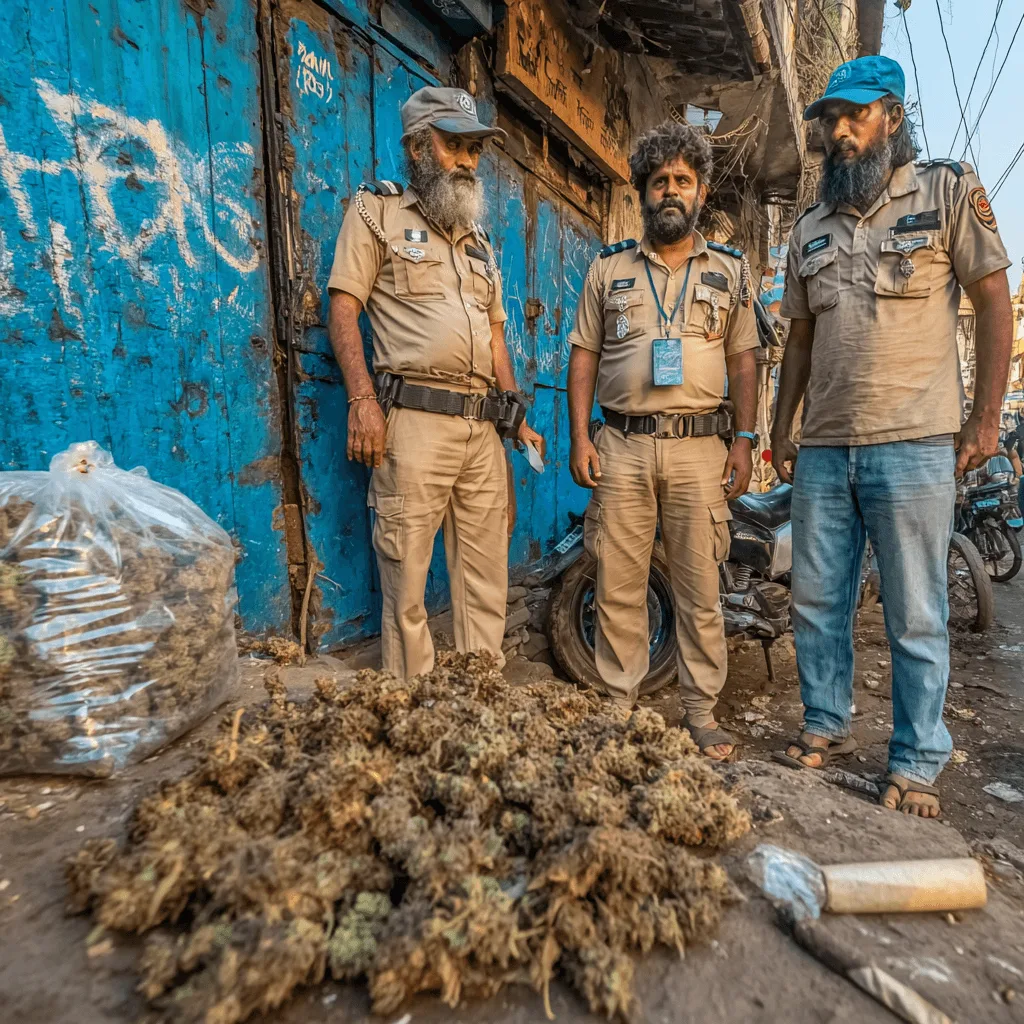
It’s one thing to lay down the law, but quite another to adapt it to a fast-changing city. The recent exposé from Deccan Herald reveals Bengaluru drug enforcement teams employing sharp, adaptive techniques to outwit traffickers. Police have observed new delivery methods, think food apps, ride-shares, disguised parcels, where traffickers try to blend in with everyday commerce. In a standout incident noted in late 2023, city police intercepted a delivery disguised as an ordinary online order, uncovering over 5 kilos of high-grade cannabis linked to a supply ring based in Andhra Pradesh. In the context of cyber-age trafficking, parallels can be drawn with recent cases of theft and ingenuity in other countries, such as a noted dispensary heist that shook a local market. Officers, instead of relying only on large-scale raids, are drilling down on intelligence-led busts and undercover operations. The Bengaluru City Police Commissioner recently noted, “Our teams are learning to think like the peddlers in order to stay ahead.” This dynamic approach was put to the test in multiple neighborhood crackdowns, often leading to spontaneous but targeted arrests, especially in known student hubs and nightlife areas. According to Hindustan Times, tech-enabled stings and increased collaboration between state and national narcotics bureaus have amplified these results in the past year. But this isn’t just about crime and punishment. The push to understand evolving drug consumption patterns is leading officers, educators, and even local NGOs to the table, discussing prevention and harm reduction alongside stricter enforcement. That fusion of crackdowns and pragmatic education is shifting the narrative beyond simple arrests, reflecting the city’s complex relationship with cannabis and enforcement.
Expert Insights: Bengaluru Drug Enforcement and Broader Cannabis Lessons
Let’s be real, cops versus cannabis isn’t just about good guys and bad guys. The current Bengaluru drug enforcement wave is a reflection of global anxieties and ambitions. According to Dr. Rakesh Kumar of the policy think-tank Vidhi Centre for Legal Policy, “The city stands at a crossroads: while law enforcement has to chase supply, the public conversation must be about harm reduction, science-based policy, and personal freedom.” Analysts and advocates are quick to point out a global trend, police resources stretched thin, even as the underground market moves online or slips into gray areas that regulations can’t easily touch. Recent Forbes coverage highlights that restrictive drug laws sometimes push trade deeper underground, making it harder to regulate and even riskier for youth. In discussions comparing international approaches, Bengaluru’s situation brings to mind how Michigan’s infrastructure and cannabis tax policy are shaping public outcomes, a topic recently under the spotlight with policy developments tying road plans to marijuana tax revenue. Even in India, legal scholars and advocacy groups note that focusing only on busts and crackdowns won’t solve bigger challenges, from health concerns to market growth and community safety. Instead, experts call for embracing modern harm reduction, launching real education campaigns in schools and neighborhoods, and developing clearer, fairer policies. People often forget that Bengaluru’s forward-thinking culture is exactly what’s needed to lead this balanced approach. As the cannabis scene matures, Bengaluru drug enforcement is likely to become more sophisticated. Local and international examples, from Canada’s regulatory triumphs to Thailand’s recent reversals, reveal how societies can blend enforcement with compassion, and potentially open unexplored economic doors. The future will reward cities willing to innovate, both in law and in mindset.
The Road Ahead: Growth, Progress, and Common Ground
Where does all this leave Bengaluru drug enforcement? Optimistically, right in the middle of a major cultural and policy rethink. Police, policymakers, and advocates alike increasingly agree: the future is about smarter enforcement, honest public education, and maybe even regulated cannabis markets to channel safer consumption and real economic growth. New approaches in harm reduction, as highlighted in the International Journal of Drug Policy, can offer cities like Bengaluru a playbook for keeping communities safer while responding boldly to real-world changes.
As Bengaluru continues its rapid transformation, cannabis—and the way it’s policed—will keep reflecting broader struggles over freedom, safety, and common sense. That’s why the cannabis crowd, the authorities, and everyday citizens are all part of this crucial story. Stay tuned, because whether you’re team green or rooting for regulation, Bengaluru drug enforcement is where India’s future dialogue on cannabis is taking shape—and it’s going to be one wild, enlightening ride.
Originally reported by: deccanherald.com
1 Comment
Pingback: Caye Caulker Marijuana Referendum: Church Says No – Find Out Why