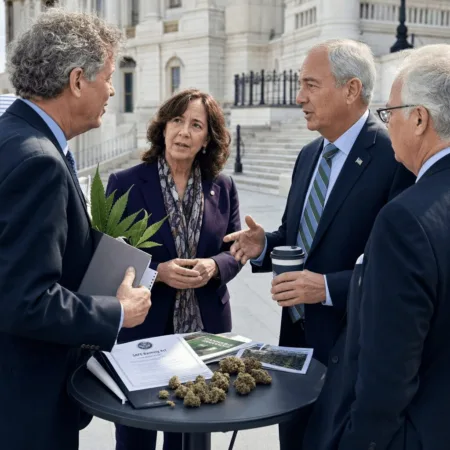

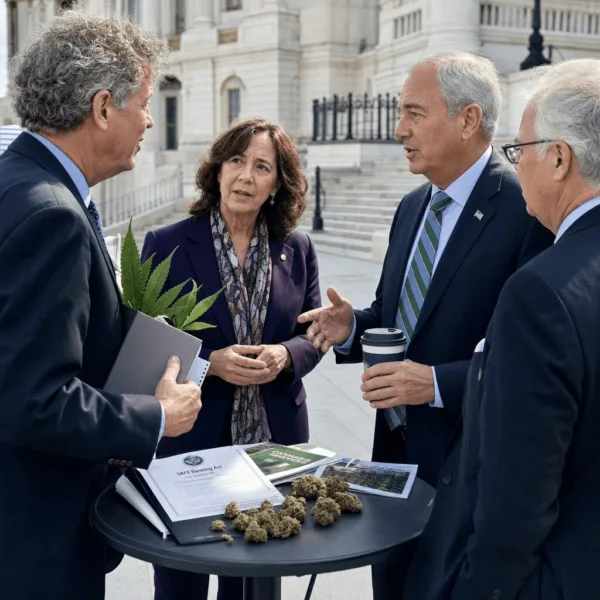



Michigan’s cannabis scene just got even more newsworthy, thanks to the latest headline-grabber in state politics: Whitmer marijuana tax support. Not only does this shake up the cannabis industry statewide, but it also intertwines weed taxes with something everyone cares about — fixing Michigan’s battered roads. Whether you’re a resident rolling down I-94 or an operator eyeing new business opportunities, these developments matter. Today, we break down what’s fueling this policy push, how the Governor’s plan impacts both infrastructure and bud business, and why every Michigander (and canna-pro) should keep an eye on these changes.
Regulatory Backdrop: Michigan’s Cannabis & Roads Crossroads
In the last few years, Michigan has blossomed into one of the Midwest’s most vibrant recreational cannabis markets. Ever since voters approved adult-use marijuana in 2018, the state’s Cannabis Regulatory Agency has guided policy with a steady hand. But in classic Michigan fashion, local infrastructure, we’re talking potholes, orange barrels, and wild winter weather, remains an ongoing saga. Cannabis Business Times regularly highlights how cannabis tax revenues often promise to patch these literal and figurative cracks. Recent trends, as reported by The Detroit News, suggest a growing appetite to leverage cannabis excise taxes beyond schools and local government, with a focus on critical infrastructure. The result: a rising tide of legislative interest in earmarking weed proceeds for road repairs, public safety, and economic development, all against a backdrop of evolving public opinion and a fiercely competitive legal market.
Key Developments: Whitmer’s Bold Maneuver Ties Cannabis Taxes to Road Repairs
On October 4, 2025, Michigan Governor Gretchen Whitmer unveiled a bipartisan budget compromise with direct implications for the state’s cannabis industry. Central to this deal: increasing the state’s marijuana excise tax and redirecting part of the new revenue into critically needed road repairs. The Detroit News reports that, under Whitmer’s plan, the marijuana tax hike will generate tens of millions annually, with the funds being funneled straight into Governor Whitmer’s long-standing “Fix the Damn Roads” initiative. The arrangement comes after extensive debate with GOP lawmakers, who initially raised concerns over raising taxes in a shaky economy but ultimately agreed to the deal due to the broad voter support for both reliable transportation and regulated cannabis revenue. If you’re wondering if these new excise taxes will squeeze local dispensaries, a recent analysis takes a deep dive on the impact for Michigan’s cannabis businesses. Specific details include earmarking a percentage of cannabis excise tax for county and municipal road projects, while preserving funding for public health and education programs. The compromise demonstrates a rare moment of bipartisan pragmatism, with Whitmer positioning this as a way to connect two urgent voter demands: modern roads and a transparent, well-regulated legal cannabis marketplace.
Expert Analysis: What the Whitmer Marijuana Tax Support Means for Michigan
The intersection of infrastructure policy and cannabis taxation is as Michigan as a Yooper’s pasty, and just as hearty. By leveraging the symbolic and fiscal weight of Whitmer marijuana tax support, the state creates a smart, forward-thinking linkage between community investment and progressive cannabis regulation. For a sense of how tax-supported projects are reshaping local priorities, Yellowstone’s animal shelter evacuation even leveraged creative cannabis solutions to benefit the community, as detailed here. According to industry veteran and Marijuana Moment contributor Tom Angell, “Michigan’s model for tying cannabis revenues to tangible infrastructure improvements is turning heads not just regionally, but nationwide. Other states are watching how Whitmer’s approach balances public opinion with fiscal responsibility.”
Weed has long been a scapegoat in budget debates, but now, it’s the hero, cementing itself as a legitimate economic powerhouse and public good. Sure, every toker and industry insider would love lower taxes. But transparent spending and a direct link between cannabis cash and crumbling roads sends a powerful message: legal weed is no longer in the margins, but right at the heart of local priorities. In fact, data from Crain’s Detroit Business shows that more than 64% of Michiganders now favor broad cannabis legalization and creative solutions for local funding gaps. By riding this momentum, Whitmer keeps public sentiment on her side, and keeps those potholes in her sights.
Future Outlook: Michigan’s Cannabis Tax Model Sets the Pace
The upshot of Whitmer marijuana tax support? Michigan just became a national case study for responsible, community-driven cannabis revenue policy. By syncing weed taxes with visible, everyday needs like safer roads, the state is stacking wins for public trust, regulatory clarity, and industry credibility. No more fighting over imaginary windfalls — it’s about budgeting with real, green dollars and neighborly impact.
Experts expect this roadmap to inspire new bills and ballot initiatives across the country. According to a recent Pew Trusts analysis, states with clear cannabis revenue pipelines into infrastructure and public services routinely enjoy stronger support for legalization and fewer regulatory headaches. Michigan is now in pole position — a place where cannabis is no longer just cool, but crucial to community well-being. Here’s to smoother roads, a stronger industry, and a future where the only cracks Michiganders worry about are the ones in the sidewalk — not in policy!
Originally reported by: detroitnews.com