





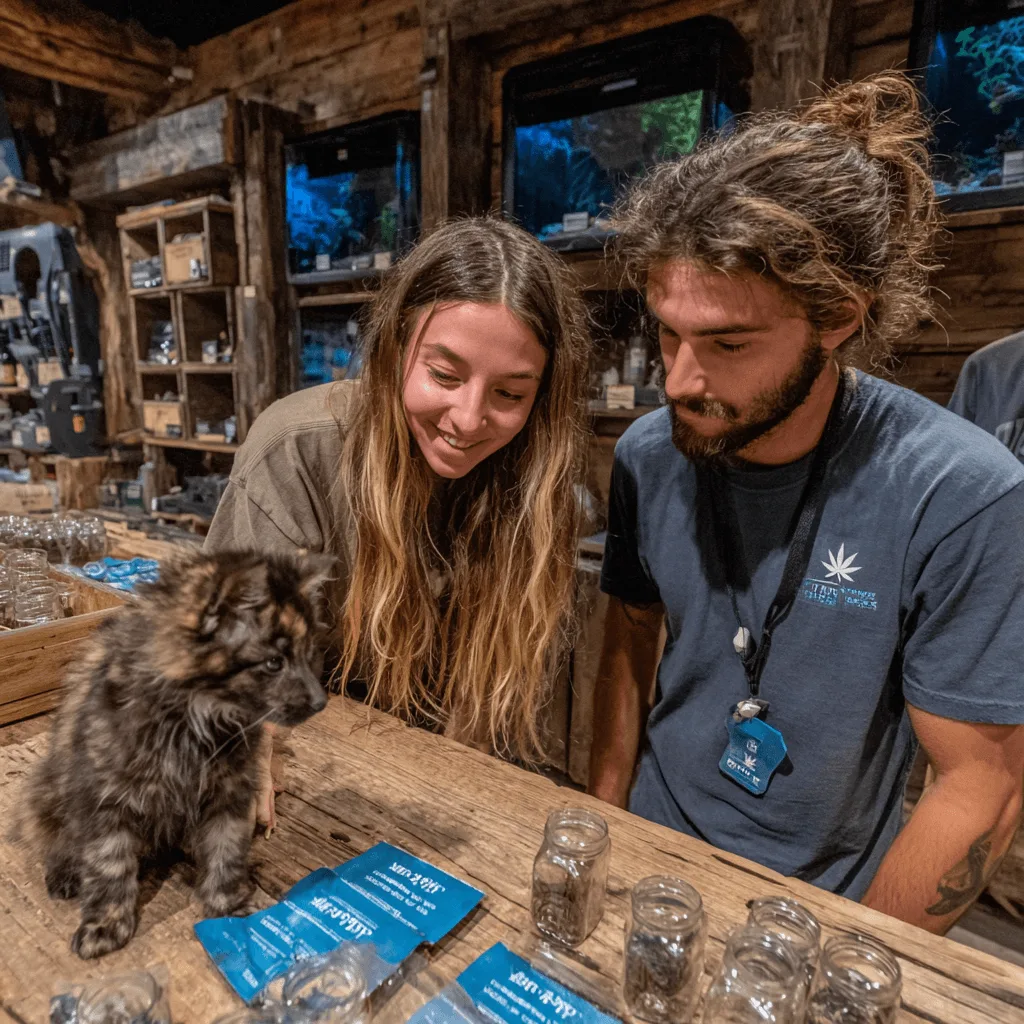
Yellowstone Animal Shelter Evacuation: How Cannabis Came to the Rescue
Sometimes, the unlikeliest heroes step up in a crisis, and that’s exactly what happened during the Yellowstone Animal Shelter evacuation. With wildfire threats sparking urgent action, even the cannabis industry lent a helping hand. This moment not only spotlights the shelter’s resilience but also the evolving, sometimes misunderstood relationship between animal welfare and cannabis business communities. Let’s unravel why this matters in today’s regulatory climate and what it could mean for the future of animal rescue and cannabis collaboration.
The Changing Landscape: Cannabis, Crisis Response, and Community
Over the past decade, legal cannabis has become far more mainstream, leading to rapid shifts in public perception and regulation. According to NORML, most states now allow some form of cannabis use, creating fertile ground for innovative partnerships. But cannabis operations have historically faced tough zoning rules, especially when located near schools or animal shelters, as seen in regulatory debates like those outlined at Marijuana Policy Project. Social stigma still lingers, even as the industry generates tax revenue and jobs for local communities, which has become even more significant given how marijuana tax revenue projects are powering real change in US cities (marijuana tax revenue initiatives). Emergencies, such as wildfire threats in the Yellowstone region, place additional stress on shelters. Communities are learning how cannabis businesses, infused with compassion, resources, and a strong local presence, can step up when traditional emergency systems are stretched thin. Navigating the intersection between legal cannabis and essential services such as animal rescue requires balancing compliance with creative problem solving, something that’s increasingly common in states where the industry is maturing.
Yellowstone Animal Shelter Evacuation: Key Details and Turning Points
The Yellowstone Animal Shelter evacuation was triggered by fast-moving wildfires that threatened both property and lives. According to the Billings Gazette, shelter staff scrambled to secure safe transport for dozens of animals. But with local resources thin, one unexpected source stepped up: a nearby cannabis dispensary. The dispensary, whose team coordinated directly with shelter managers, quickly mobilized vans and staff, providing pet carriers and supplies, everything from water bowls to treats. The collaboration unfolded in real time, showing how two very different local entities can unite for good, similar to how innovative cannabis cultivation technology has allowed businesses to adapt quickly in crisis situations (new cultivation approaches). This has ripple effects beyond just logistics, it’s influencing local policy conversations about emergency preparedness, animal crisis response, and the changing community role of regulated cannabis businesses. The fact that cannabis business owners actively contributed resources and were welcomed by shelter staff marks a shift from past tensions, where any connection could have sparked controversy or legal headaches.
Expert Analysis, Industry Insight, and Cannabis Community Response
This Yellowstone Animal Shelter evacuation case shines a light on how cannabis businesses can be responsible, proactive, and valuable community partners. “When disaster hits, you see people’s real values come out, cannabis companies, despite the stereotypes, have a built-in culture of care and mutual aid,” says Jane West, longtime industry advocate, in a Leafly profile. The willingness of dispensary staff to step in for vulnerable animals illustrates the impact of community involvement, much like Portland’s cannabis businesses responded during other local crises according to recent cannabis community data. Industry experts at Cannabis Law Report note that positive contributions in crisis situations can sway public perception and ultimately ease restrictive local ordinances. It’s not a one-off, similar moments of partnership are cropping up nationally, with cannabis businesses donating to animal rescue, supplying shelters, and advocating for pet-friendly workplace policies. This event pushes past the usual cannabis debates and goes straight to the heart of community-building, setting a compelling precedent for other industries to follow.
Looking Ahead: Lasting Impact, Regulatory Momentum, and a Brighter Future
The Yellowstone Animal Shelter evacuation, with its unexpected cannabis connection, could be a sign of future synergy between two vital community services. As the legal framework for cannabis continues to evolve, stories like this chip away at lingering stigma, showing these businesses are as community-minded as any. The data supports this trend: According to recent analysis by New Frontier Data, communities with legal cannabis often see increased civic engagement and charitable giving. In a time of accelerating climate emergencies, reliable community partners are more valuable than ever. The normalization of strategic partnerships between cannabis businesses and nonprofit sectors could soon be standard operating procedure—making headlines for all the right reasons. The Yellowstone Animal Shelter evacuation reminds us that resilience and resourcefulness, boosted by unlikely allies, are what keep communities safe. Here’s to a future where cannabis is just one more neighbor lending a helping hand in a time of need.
Originally reported by: billingsgazette.com
1 Comment
Pingback: Whitmer Marijuana Tax Support: Inside the Roads Plan Deal