





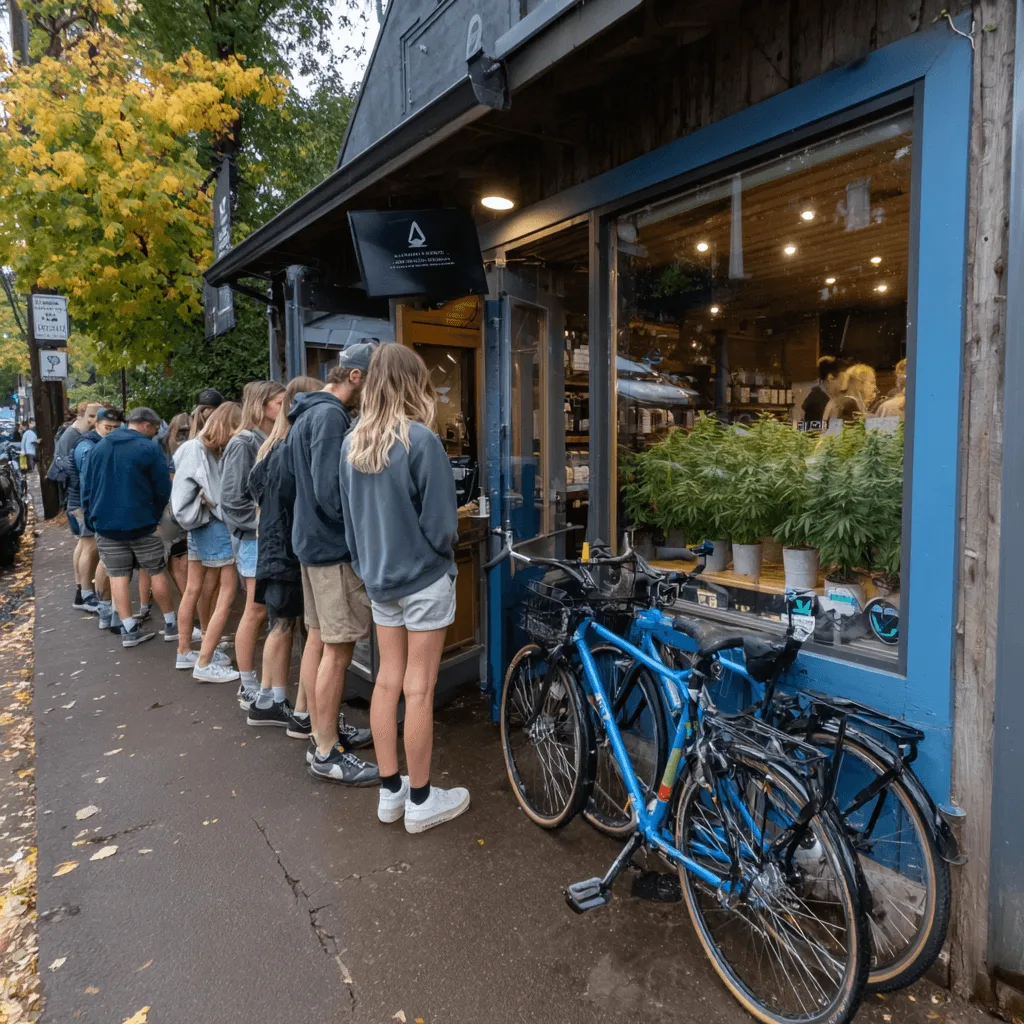
Portland Cannabis Crime Data: Surprising 2024 Decline Revealed
In a move that’s got everyone from dispensary owners to local regulators buzzing, new Portland cannabis crime data shows a steep, unexpected drop in reported crimes at cannabis businesses in 2024. As cannabis continues moving mainstream, Portland’s numbers may hint at where the broader market—and public perception—are headed next. Here’s what matters about these shifts in cannabis-related incidents, and why this data swings far beyond headline hype.
The Regulatory Highs and Historical Headwinds in Portland
To really grasp why the latest Portland cannabis crime data makes waves, you’ve got to start with the city’s unique journey. Since Oregon legalized recreational cannabis in 2014, Portland has built one of the most established regional markets in the U.S., facing both regulatory hurdles and community skepticism. Oregon Liquor and Cannabis Commission (OLCC) has kept a tight grip on licensing, security protocols, and tracking, making dispensaries some of the most regulated retail spaces around. Industry watchdogs and public safety advocates alike have tracked cannabis business break-ins and thefts, especially after crime surges during the 2020-2022 pandemic years (Leafly industry report). Socially, Portland’s blend of liberal attitudes and neighborhood-level caution means the city feels both protective and proud of its cannabis operations. This regulatory and community context sets the stage for understanding the real-world impact of shifts in cannabis crime rates, much like other regions where cannabis policy changes have affected outcomes, as seen in how new fees hurt local dispensaries in Michigan.
2024: Key Developments in the Latest Portland Cannabis Crime Data
The biggest surprise of early 2024? According to data reported by local station KOIN News, the number of crimes reported at licensed Portland cannabis retailers has declined by nearly 50% year-over-year. Local businesses like Green Mart and Serra, often previous break-in targets, have seen notably fewer incidents since stricter alarm and surveillance standards came online late last year. KOIN’s analysis confirms that police responded to far fewer thefts and burglaries at dispensaries between January and April 2024 compared to the same period in 2023. This downturn follows increased installation of secure vaults, stricter video retention requirements from the OLCC, and collaborative safety workshops between law enforcement and dispensary owners. Even as other retail crime concerns persist citywide, cannabis shops are fast becoming unlikely models of community safety protocols, demonstrating the sort of targeted reforms that are making a concrete impact in cities across the country, similar to how marijuana tax funds are powering real change in U.S. cities. The data, pulled from Portland Police Bureau’s monthly logs, points toward targeted reforms actually working, something rare in the retail crime world.
Expert Insights: What Does the Data Really Mean for Cannabis?
Industry veterans are quick to point out that the new Portland cannabis crime data signals more than just better door locks. “It’s not just the tech, it’s the culture of accountability that’s grown up around Portland cannabis,” says Melanie Davis, executive board member of the Oregon Cannabis Association. Regular safety roundtables, community partnerships, and rapid response plans have all paid off. Experts at Ganjapreneur note that, unlike many sectors, cannabis businesses face unique risks from federal banking restrictions, requiring them to innovate on physical security much more proactively than other retailers. This push for innovations has led to a “best practices arms race” in the industry, echoing how groundbreaking technology is reshaping cannabis cultivation beyond Portland. As the Portland cannabis crime data keeps shifting, many in the national industry are reevaluating how local, data-driven safety models might scale up to the wider market.
The Road Ahead: Crime Drops & Cannabis Industry Uplift
With Portland cannabis crime data trending downward, real optimism is brewing among operators and policy leaders. Decreased incidents mean more resources can go toward product innovation and community engagement instead of endless repairs and insurance claims. This transformation, documented by trusted outlets like Leafly News, reflects how data-backed policy and grassroots action are turning Portland into a national test case for safer cannabis commerce. Looking forward, expanded legalization and continued public-private collaboration may only amplify these wins. The positive momentum from Portland’s experience could inspire other cities—both in regulatory reform and in further dismantling the outdated stigma still hanging over cannabis businesses nationwide. The end of 2024 may find Portland not just as a craft cannabis capital, but a model for safe, community-driven industry growth everywhere.
Originally reported by: koin.com



1 Comment
Pingback: Yellowstone Animal Shelter Evacuation: How Cannabis Came to the Rescue