

Massive Marijuana Plant Seizure Ashfield—See What Happened
There’s buzz all over Ashfield, Massachusetts, after news broke about a major marijuana plant seizure Ashfield. For anyone tracking cannabis trends and regulatory battles, this is a headline you can’t just scroll past. Whether you’re team legalization, a grower, a policy nerd, or just a leaf-loving citizen, this event brings a load of questions about how the cannabis movement fares in uncertain regulatory territory. Below, we’ll dive into what actually went down, why so many folks are talking about this marijuana plant bust, and how it connects to wider industry debates around enforcement, oversight, and the future of legal weed in Massachusetts.
Understanding the Shifting Cannabis Landscape: Regulation, Enforcement, and Local Sentiment
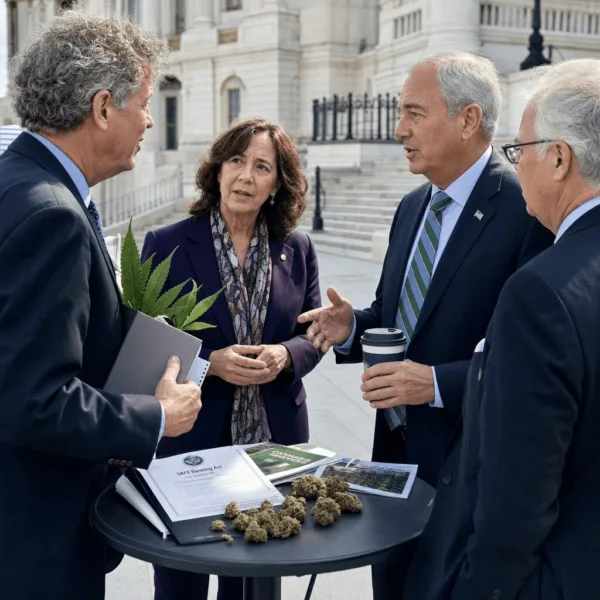
Every time there’s a high-profile marijuana plant seizure in Ashfield, or anywhere else across the country, it spotlights the delicate dance between state-legal cannabis operations and ever-watchful law enforcement. Massachusetts has one of the nation’s leading recreational cannabis markets, legalized in 2016, putting the state under intense scrutiny by regulators, activists, and entrepreneurs alike (Cannabis Control Commission of Massachusetts). Ashfield itself sits at that interesting crossroads where rural traditions meet the green rush. While the Boston Globe highlights the mixed reception for commercial cultivation in rural towns, the legal patchwork often frustrates well-meaning growers and enforcement agencies equally. Similar challenges have recently unfolded elsewhere, as seen in a rural drug seizure that sparked wider debates over cannabis laws. Real tension exists between pioneering entrepreneurs navigating compliance, overburdened local police, and communities deciding what cannabis looks like on their streets and farms. Recent analytical data from MJBizDaily emphasizes that Massachusetts continues to experience market flux as regulations tighten and enforcement increases, especially with ongoing federal legalization debates.
Major Developments in the Ashfield Bust: What Actually Happened?
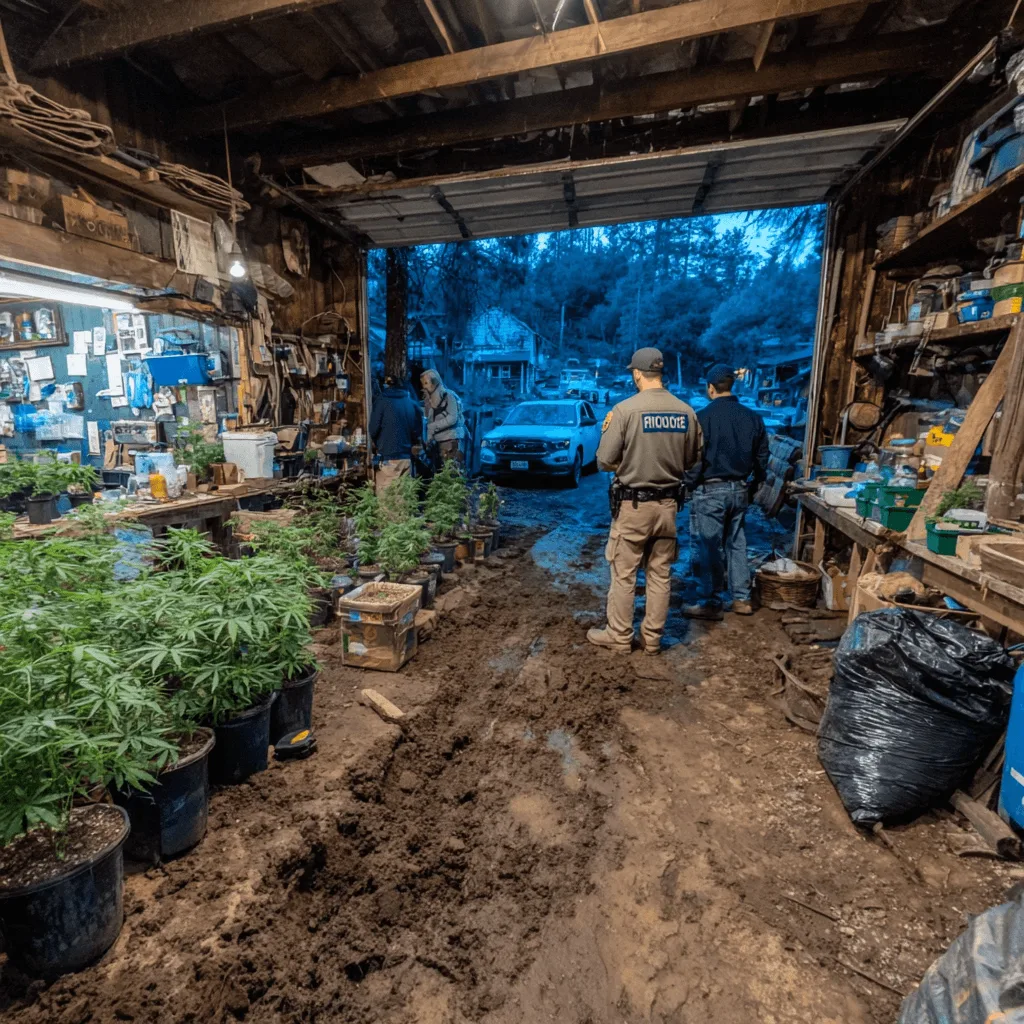
The events surrounding the marijuana plant seizure in Ashfield trace back to early October. According to The Recorder (October 3, 2025), Ashfield law enforcement, cooperating with statewide agencies, executed a search warrant on a rural property after a lengthy investigation. The scene they uncovered was something out of a green-thumb fever dream: hundreds of vibrant, well-cared-for cannabis plants grown in rows of plastic pots within what appeared to be a makeshift indoor/outdoor hybrid grow space. Alongside the plants were bags of soil, gardening gear, and some typical household clutter—not exactly Breaking Bad, but clearly more than a home hobby. To put the Ashfield incident in perspective, a highly publicized THC seizure case in Texas also shook the state, underscoring how large cannabis busts can send ripples through communities nationwide. Authorities on-site wore plain clothes and moved carefully among garden hoses and potting soil. Early reporting suggests that the operation may have lacked full regulatory documentation and business licensing, a critical sticking point given Massachusetts’ complex, and sometimes inconsistently enforced, permitting requirements (Cannabis Licensure Statistics – Massachusetts). The seizure, reportedly executed without major incident, left questions swirling about property ownership and potential ties to larger distribution networks. The local police chief, quoted in the same Recorder article, emphasized public safety concerns but acknowledged the ongoing challenge in balancing legal cannabis markets with effective community policing.
Expert Analysis: Industry Insights & Constructive Cannabis Perspectives
Events like the marijuana plant seizure in Ashfield spark much-needed debate across the cannabis world. As Leafly has reported, law enforcement raids continue to shape the dialogue around equity, compliance, and the very definition of a ‘legal’ grow (read more here). Legendary cannabis advocate and Massachusetts policy consultant Shaleen Title noted, “Seizures of this magnitude underscore just how tangled regulations get for small farmers and minority entrepreneurs. It’s crucial we don’t revert to punitive approaches, there’s too much at stake for communities, patients, and the industry as a whole.” (Cannabis Regulation). The Ashfield incident is a case study in how legacy growers sometimes run afoul of technical requirements, even when acting in good faith. Enforcement actions, sometimes based on zoning issues and minor paperwork gaps, may fuel distrust among legacy operators and discourage future participation in the regulated market, as outlined in Marijuana Moment trend analyses. These tensions are mirrored in other states, with rulings such as the recent Florida court decision on marijuana car searches sending shockwaves through legal frameworks. Seen through this lens, the Ashfield bust is less about criminal wrongdoing and more about the operational and educational gaps facing the evolving industry.
Looking Ahead: Reform and Opportunity in Ashfield and Beyond
Despite the headlines about the marijuana plant seizure Ashfield, the cannabis industry keeps growing—roots deepening even when storms blow through. Each enforcement event comes with lessons about policy, fairness, and the need for better regulation that includes rural communities and small operators. More robust support from the state, stronger educational outreach, and sensible reform can help minimize conflicts between well-meaning cultivators and authorities, as highlighted by the National Organization for the Reform of Marijuana Laws (NORML). Ashfield’s story, far from a cautionary tale, is another chapter in a much bigger book: one where social acceptance expands, regulatory frameworks improve, and the green future gets brighter for all who believe in responsible, legal, and equitable cannabis. Stay informed, stay engaged, and let’s keep growing a movement built on knowledge, not fear.
Originally reported by: recorder.com