



Massachusetts Cannabis Lab Fraud: Assured Testing Reopens
As Massachusetts continues to lead the Northeast’s legal cannabis revolution, the recent news about Massachusetts cannabis lab fraud is turning heads throughout the community. Just when consumers and brands were getting comfortable, a major testing lab in the state—recently suspended amid allegations of data manipulation—is back in business. This development matters not just to regulators and cultivators, but to every single patient and adult-use consumer who relies on clean, honestly-labeled cannabis. In this deep dive, we’ll unpack what really happened with Massachusetts cannabis lab fraud, why it’s shaking up the industry, and where things go from here.
Understanding the Landscape: Massachusetts Cannabis Lab Fraud in Context
The evolution of legalization in Massachusetts has brought new opportunities and unprecedented scrutiny. Stringent regulatory oversight was built into the state’s cannabis framework, led by the Massachusetts Cannabis Control Commission (CCC), in response to the national trend toward higher quality and more transparent products (Cannabis Control Commission). Laboratories are required to test for contaminants, potency, and accurate labeling. Yet, even with robust oversight, the pressure to meet market demand and business growth targets can sometimes tempt labs and operators to cut corners. The ongoing concern for patient safety and the effectiveness of medical marijuana in chronic pain relief has led to increased calls for responsible practices.
With new products flooding shop shelves and consumers demanding transparency, labs are at the center of trust, and risk. Past lab fraud cases in Colorado and California put the spotlight on the critical importance of independent, trustworthy testing (Leafly). But as competition heats up, Massachusetts faces its own test: keeping profits and public safety in balance amid rapid market expansion.
The Breaking Story: Key Developments in Massachusetts Cannabis Lab Fraud
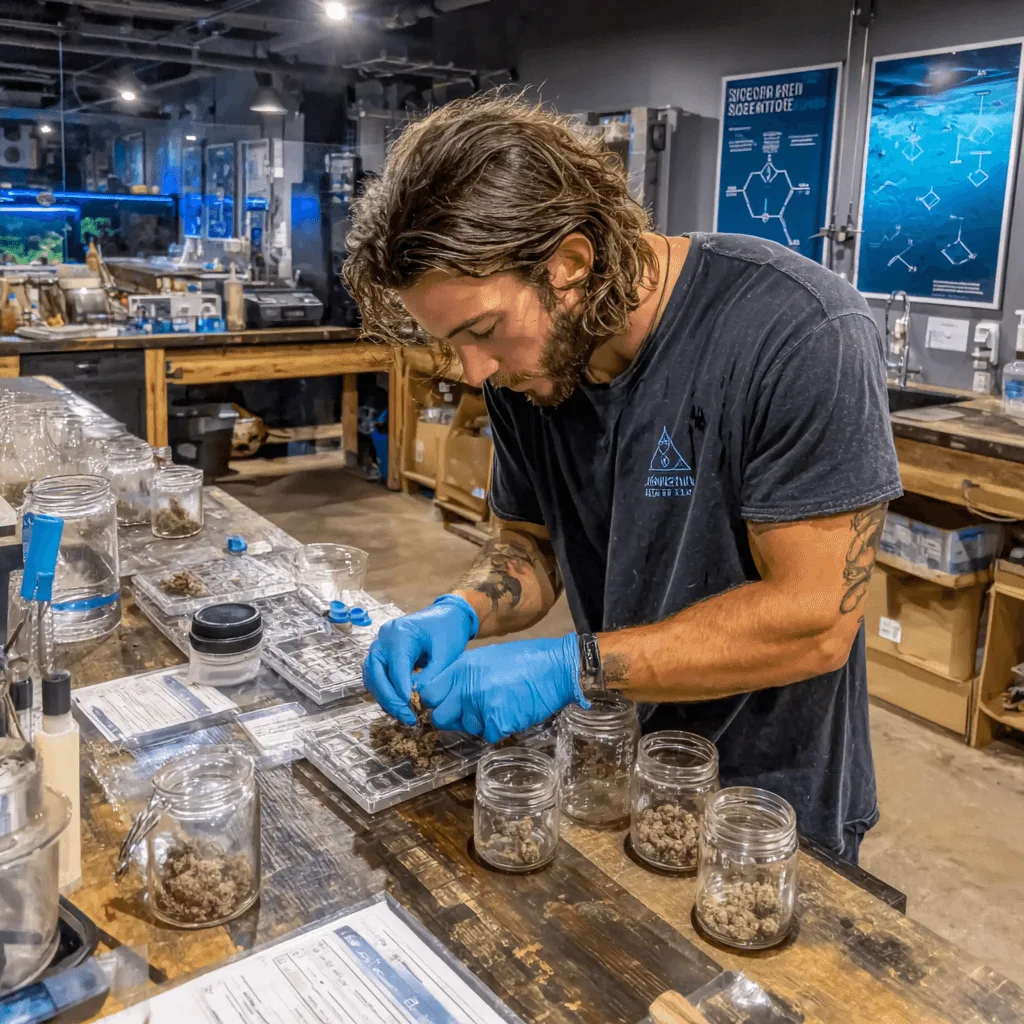
Let’s get into the gritty details. According to MJBizDaily, Assured Testing Laboratories, a licensed cannabis testing facility, had its license suspended after state regulators discovered irregularities in yeast and mold failure rates. The company was accused of manipulating test results, with fail rates far below industry averages, impacting everything from product safety to regulatory confidence.
The CCC initiated the suspension in June 2025 following an investigation. Notices cited possible violations of compliance protocols, including improper reporting and statistical anomalies. According to MassLive, regulatory officials expressed concern about “systemic weaknesses” in quality controls, with contaminated batches of product improperly passing as safe. Following these revelations, other states have dealt with their own crackdowns and regulatory shakeups in the cannabis industry, much like the recent developments affecting clinics and patients in New South Wales.
Yet, after paying a $300,000 fine and agreeing to stricter oversight, Assured Testing Laboratories has now been permitted to resume operations, provided they implement stricter internal protocols and undergo periodic state audits. Both whistleblowers and advocacy groups are calling for even tougher oversight in light of this Massachusetts cannabis lab fraud case.
Expert Insights: Why Massachusetts Cannabis Lab Fraud Matters
This isn’t just a cautionary tale for Massachusetts. Lab fraud erodes consumer trust and can put vulnerable patients at risk. As Dr. Peter Grinspoon, renowned cannabis policy expert and Harvard physician, puts it: “Transparency in lab testing is absolutely vital. Patients and consumers need to trust what’s on the label.” (Harvard University)
So why does Massachusetts cannabis lab fraud sting so much? Because the Bay State’s regulatory system was supposed to be among the gold standards. Experts at NORML highlight that while fraud is rare, economic incentives can create perverse pressures. Labs may pad numbers to please clients or help a product stand out on crowded dispensary shelves. But when corners are cut, the whole supply chain feels it. Facing issues with proper product labeling and the risks this creates echoes current concerns in places like Kentucky where regulatory change is bringing new hope for patient access through improving cannabis product availability.
Insiders suggest a practical approach: ramp up surprise audits, encourage more whistleblower protections, and foster collaboration among labs to share best practices. “No one wants another Massachusetts cannabis lab fraud headline, but the industry will bounce back stronger by learning from missteps,” notes a Leafly columnist.
The Road Ahead: Solutions, Optimism & A Greener Future
Let’s chill for a second: cannabis has always evolved through challenge. Massachusetts cannabis lab fraud is a wake-up call, but it’s also proof the system works—suspending a lab, demanding reforms, and coming clean about errors. The regulatory response is a sign of industry maturity, not doom.
Looking ahead, Massachusetts likely sees tighter lab rules, smarter consumer protections, and more honest conversations about trust and quality. Judging from other states’ learning curves, these reforms usually drive greater confidence and innovation in the long run (Cannabis Business Times).
For those counting on cleaner cannabis and honest labels: don’t bail. Regulators, brands, and labs are all under the microscope now. If Massachusetts keeps raising the bar, the state’s cannabis scene will remain a trailblazer for the nation—and beyond.
Originally reported by: mjbizdaily.com

2 Comments
This is referencing the wrong laboratory in Mass. It was Assured Testing and not MCR. Get the facts straight AI…
Thank you for pointing that out. You are correct—the lab involved was Assured Testing Laboratories, not MCR. The error has been corrected in the article.