


Cannabis Dispensary Location Concerns: What Residents Need to Know
The conversation around cannabis dispensary location concerns is heating up in towns like Ripley, West Virginia. As legalization spreads and more dispensaries open their doors, people want to know: how will this impact their communities? Neighbors are stepping up to voice their opinions. Some worry about possible changes to local character and economics, while others see new opportunities. Right now, cannabis industry trends are shifting, regulators are catching up, and residents want clear answers. Here’s what you need to know to make sense of it all.
The Big Picture: Why Cannabis Dispensary Location Concerns Matter
The issue of cannabis dispensary location concerns isn’t just about where stores open, it’s about how state and local laws, public health attitudes, and economic shifts shape our neighborhoods. In states like West Virginia, legalization is coupled with strict zoning rules and strong local controls (Marijuana Policy Project). Regulatory agencies set boundaries requiring dispensaries to keep a distance from schools, playgrounds, and similar sensitive areas. Towns still have the power to support or oppose these businesses, fueling ongoing discussions and debates, much like recent confusion over cannabis laws in other states with complex regulations. This creates a delicate balance between access, public safety, and local economic growth. Significantly, as Pew Research finds over 80% of Americans now support some form of legalized cannabis, location debates are increasingly common and often contentious across the country.
What’s Happening in Ripley: Recent News & Community Reactions
Recently, a proposed cannabis dispensary in Ripley, West Virginia caught local attention and stirred debate over dispensary locations. According to news reports from WOWKTV, the possible opening near downtown and community hubs drew strong community reactions. The business applicant, whose identity wasn’t made public, followed state licensing rules after West Virginia’s 2017 medical cannabis law (WV Department of Health & Human Resources).
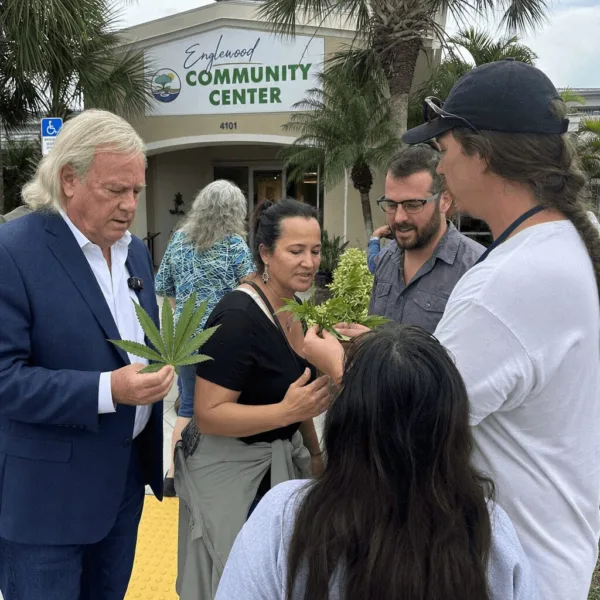
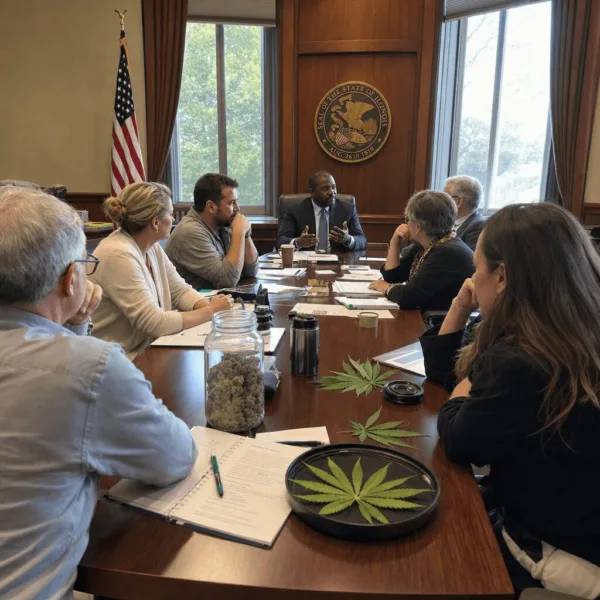
Meetings brought out many concerned locals seeking answers: Would the dispensary bring more traffic, affect nearby businesses, or increase stigma? Fears ranged from safety and the impact on youth to effects on the community’s image, while others looked toward job creation and economic uplift. Officials have called for more public engagement and full review before any final decision. This scenario closely mirrors other towns where cannabis dispensary concerns spark heated debate about economic prospects and cultural acceptance, reflecting both local anxieties and broader national trends.
Insight, Analysis & the Pro-Cannabis View
At its core, the conversation around cannabis dispensary locations is a sign of both opportunity and change in the industry. Many experts argue that with robust regulations and transparent oversight, dispensaries contribute positively—posing no greater threat to public safety or youth well-being than typical retail stores. Recent findings in Cannabis Business Times indicate no consistent correlation between regulated dispensaries and neighborhood crime, with most pointing to upticks in local jobs, reduced illicit markets, and increased revenue. Dr. Amanda Reiman, a noted cannabis policy advocate, emphasizes, “When communities engage in honest dialogue and build thoughtful local frameworks, dispensaries become assets, not adversaries.” (Drug Policy Alliance). The pattern aligns with trends seen in other states, like the impact reported after opening large cultivation sites in Kentucky, where regulated cannabis brings significant economic and community benefits despite initial hesitation. Dispensary operators often strive to support local events and operate responsibly, highlighting the importance of balanced public discussion and ongoing education for lasting community partnerships.
Looking Forward: What’s Next for Ripley & Beyond?
Cannabis dispensary location concerns are part of growing pains as more states approve legal access. Communities like Ripley stand at the intersection of tradition and progress. Regulatory improvements—that prioritize both public voice and factual evidence—can help towns ease into the new era. With broader acceptance rising (see NORML for national trends), dispensary debates will likely lead to fairer, smarter regulations. As more neighbors experience the local economic and social benefits first-hand, initial fears usually mellow out. Cannabis retail is here to stay, and with open minds and collaborative spirit, small towns can shape the future rather than fear it.
Originally reported by: wowktv.com

2 Comments
Pingback: Nebraska Medical Cannabis Regulations: Lawmaker Sparks Debate
Pingback: Illegal Marijuana Operation Ogle County Shocks Community