

Vermont Cannabis Dispensary Settlement: What It Means for You
The vermont cannabis dispensary settlement is making serious waves across the Green Mountain cannabis industry. For local consumers and operators alike, these changes are not just legal drama—they’re signals of a market evolving right before our eyes. With regulatory reforms and dispensary operations in the spotlight, understanding what this settlement means is key if you’re invested in Vermont’s growing cannabis scene. Here’s the deep dive you’ve been looking for: context, facts, expert perspective, and what’s likely coming next.
Background: Legal & Regulatory Roots of the Vermont Cannabis Dispensary Settlement
To really get the vermont cannabis dispensary settlement, you’ve got to understand Vermont’s cannabis landscape. When Vermont legalized adult use in 2022, regulators aimed for a tightly controlled launch (see Vermont Cannabis Control Board for statutory details). Operators faced layers of permitting, product tracking, and equity requirements, with regulatory approaches that were much more nuanced than in larger, laissez-faire states. Accessibility and public safety issues continued to evolve, reflecting national debates—similar to challenges seen after incidents like the Sand Springs marijuana seizure that shocked the dispensary community and spurred broader debates (learn more). Every dispensary faces scrutiny, but these challenges help shape Vermont’s unique cannabis identity, with community-centered, mindful approaches that are always ready to hash out the details. The current settlement drama is the latest, and possibly watershed, moment in this ongoing regulatory evolution.
Key Developments: Inside the Vermont Cannabis Dispensary Settlement
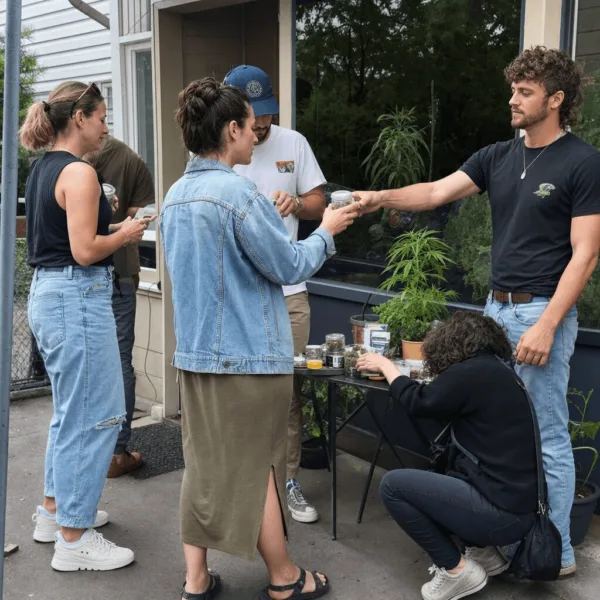
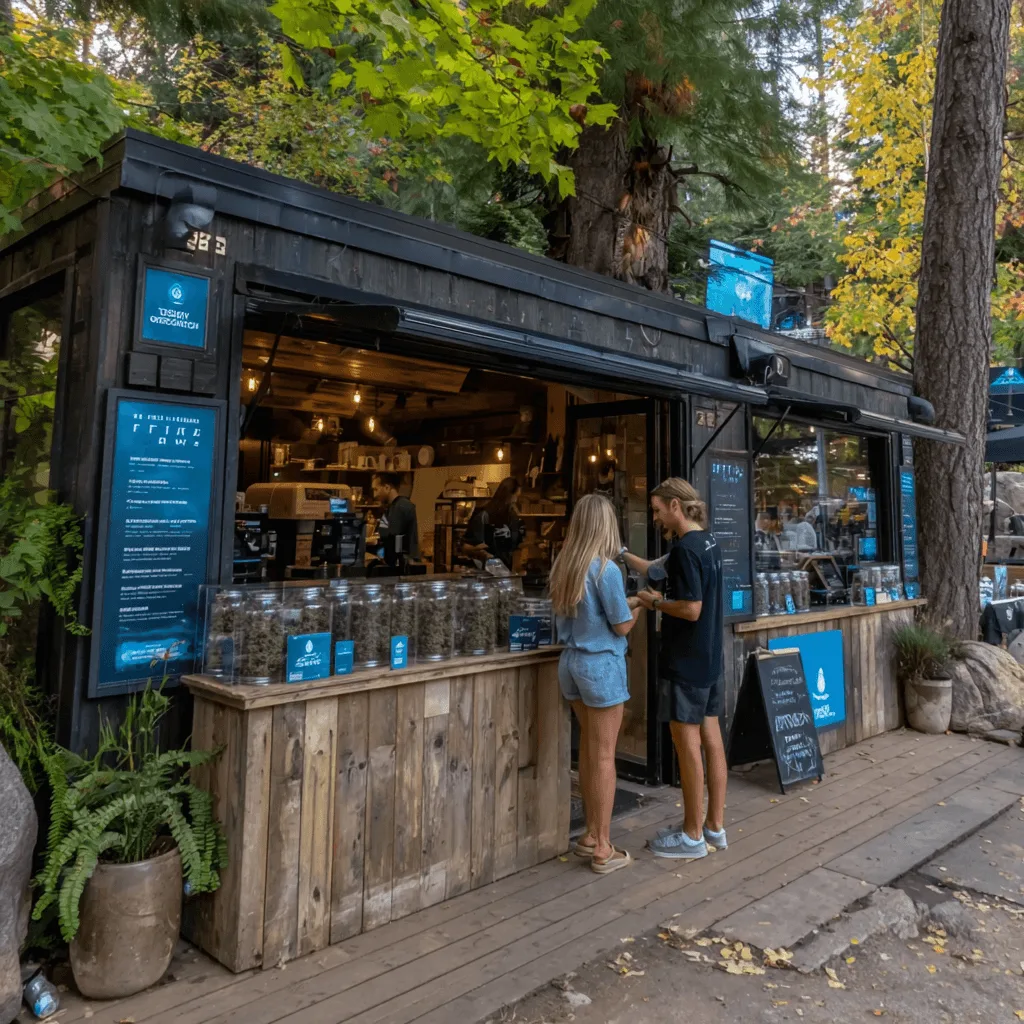
Here’s what just went down in the latest vermont cannabis dispensary settlement: Midd Cannabis Dispensary, a local operation in Middlebury, squared off with state regulators over a series of compliance disputes earlier this year. According to Addison Independent, this case came to a head in fall 2025 after several rounds of negotiation and public comment. Similar compliance struggles have raised eyebrows nationwide, as seen in recent news where a Federal Way marijuana raid shocked the local community by uncovering a home grow (read about community impacts). Midd argued some state restrictions—particularly about product handling and shop layout—were unclear or overly strict compared to guidance provided during initial licensing. The state agreed to update its official guidance and clarify dispensary requirements. As part of the settlement, Midd agreed to new staff training and slight shop modifications, while keeping their license and avoiding major penalties. Regulators, meanwhile, committed to publishing clearer compliance checklists and holding additional retailer Q&A sessions through the remainder of 2025. This marks the first time Vermont’s cannabis board has revised operational rules following a publicized dispensary challenge.
Expert Analysis & Insights: What the Settlement Signals for Cannabis in Vermont
Let’s step back and light up some context. These regulatory dust-ups are part of a broader pattern nationwide, as state-legal cannabis collides with evolving rules and high community expectations. According to industry analysis by Leafly, states with newer recreational markets like Vermont often see such early friction. Settlements like this usually serve as a catalyst for improving oversight—smoothing some initial speed bumps. Broader legal debates, such as those addressed when separating fact from fear regarding deadly drug claims in federal cannabis policy (more details here), reveal the complexity of modern regulation. As veteran cannabis attorney Eliza Greenfield told NORML, “Transparent processes and responsive regulators are what set sustainable cannabis markets apart from those that falter early.” In practical terms, Vermont’s decision to revisit unclear rules shows a willingness to collaborate, not just crack down. For local dispensary owners, it means clearer expectations and a fairer playing field, while customers can count on safer, better-run shops and less fear of abrupt closures.
Conclusion & Future Outlook: The High Road Ahead for Vermont’s Cannabis Industry
The vermont cannabis dispensary settlement isn’t just procedural—it’s a sign of a maturing market. Settlements like this mean Vermont’s regulators are hearing real-world feedback and acting. This bodes well for everyone who values quality, safety, and fair access—hallmarks of any world-class cannabis industry. As national acceptance of cannabis deepens (per recent Pew research), we expect Vermont will keep balancing progress with thoughtful oversight. While friction is still part of the journey, this settlement shows the state’s willing to make it a little greener—one negotiation at a time. Stay tuned: Vermont’s mix of transparency, local flavor, and solid advocacy might just set the bar for other small-but-mighty cannabis states.
Originally reported by: addisonindependent.com