




THC Gummies in Schools: What Parents Must Know Now
Across the U.S., THC gummies in schools are making headlines and stirring strong emotions. With cannabis edibles now so easy to buy in many places, parents and educators are rightfully concerned. This isn’t just about whether weed should be legal—it’s about young people accessing substances before they’re ready. The situation is evolving fast, pushed by the booming edible market and changing state laws. In this article, we’ll break down the key facts behind THC gummies in schools, explain how this issue fits into the wider cannabis industry, and offer balanced insights—so you know what really matters and what’s next.
Changing Laws, Social Shifts & THC Gummies in Schools
The spread of THC gummies in schools comes from rapid growth in cannabis legalization and shifting perceptions nationwide. Several states, including Tennessee, have seen a sharp rise in the availability of hemp-derived products such as Delta-8 gummies, which are legal even where traditional marijuana isn’t. According to the New York Times, many of these lookalike products land in student hands via convenience stores, gas stations, or even online, with little age verification. While federal law still prohibits marijuana with over 0.3% THC, loopholes around hemp-derived cannabinoids mean parents and teachers must keep up with changing regulations. Social acceptance is growing, but so are debates over how to keep THC gummies away from minors, especially in areas where the market is outpacing enforcement. The evolving compliance and technology aspects in marijuana oversight are reminiscent of how new advances in cannabis supply chain tech are revolutionizing compliance. Industry sources like MJBizDaily confirm that the regulation of edibles is a work in progress, with state rules and public education catching up to innovation.
Key Events: Grundy County’s Wake-Up Call about THC Gummies in Schools
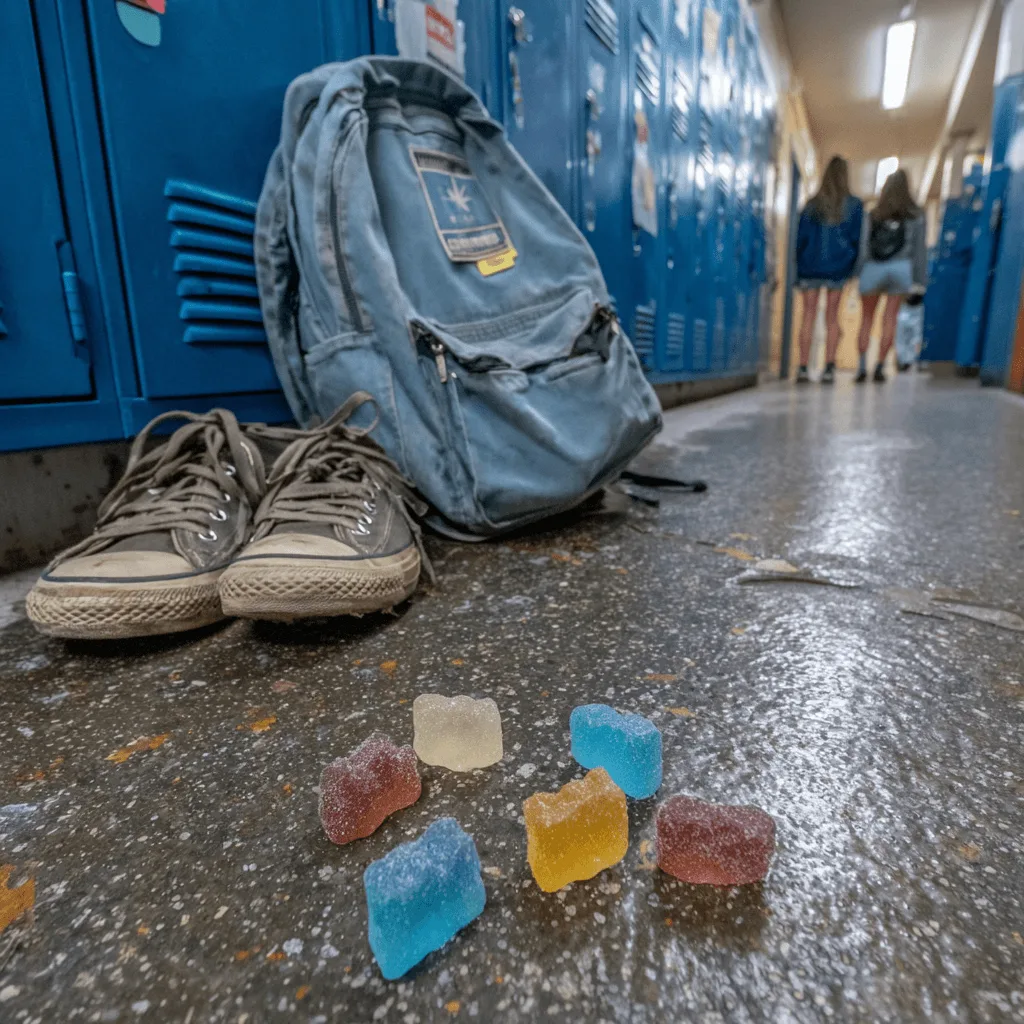
In late May 2024, the Grundy County, Tennessee school board sounded the alarm after discovering THC gummies in schools across their district. According to NewsChannel 9, several incidents saw edible products branded in bright, candy-like packaging showing up in the hands of middle and high school students, and at least one reportedly suffered negative side effects. The school board moved quickly, asking parents to check backpacks and talk to their children about the dangers of consuming unknown substances. Local law enforcement stated that most products seized contained enough THC to have a psychoactive effect on anyone. The incidents are tied to a state and nationwide wave of reports about hemp- and cannabis-derived gummies circulating among teenagers, sometimes purchased at local retailers exploiting loopholes in Tennessee law. These gummies aren’t made by licensed cannabis companies, but rather unregulated hemp processors who get around stricter and better-regulated marijuana laws. According to the Tennessee Department of Health, poison control calls related to child THC consumption have risen steadily. There are parallels in how local efforts, such as grassroots movements have shaped cannabis policy in other communities, where community response influences state and even national debates. Grundy County’s school board now works with law enforcement and parents to keep THC gummies in schools from becoming widespread, echoing concerns voiced in several other districts.
Expert Industry Insights: Lessons Beyond the Headlines
These reports about THC gummies in schools are a classic case of regulation lagging behind a breakout market. Why do these products, often clearly marked as “21+ Only,” keep landing in kids’ hands? According to Leafly, unclear laws around Delta-8 and hemp-derived THC cause huge enforcement challenges. Licensed cannabis companies have strict labeling, child-resistant packaging, and age verification—rules that rarely apply outside regulated dispensaries. As cannabis consultant and author David Downs told Leafly, “When you don’t have strong state regulations, you see these gray-market products everywhere. Education and real rules protect youth far better than fear-mongering.” For advocates, the surge in THC gummies in schools reveals the urgent need for unified regulation, not more panic or prohibition. Drawing from how medical cannabis reform has transformed wellness approaches in Texas, it is clear that well-made legal edibles with responsible packaging, consistent testing, and public education are proven to limit accidental exposures, reports the National Organization for the Reform of Marijuana Laws (NORML). The lesson is clear, focus on improving oversight and investing in honest, ongoing conversations.
Looking Forward: Building Responsible Solutions on Cannabis’ Path
THC gummies in schools force us to confront the real challenges—and potential—of a changing marketplace. Every parent wants safe schools and a straightforward way to know what their kids are exposed to. Luckily, industry leaders and public health organizations are working on better packaging standards, education, and clearer rules for hemp-derived THC. According to the Cannabis Business Times, the market for edibles is still evolving, with new tech making it easier to distinguish adult-use products from kid snacks. This is just one step on a long road toward thoughtful regulation, social normalization, and industry growth. With patience and smart collaboration, the future looks bright for responsible cannabis—and for keeping products like THC gummies in schools out of the wrong hands.
Originally reported by: newschannel9.com



1 Comment
Pingback: Cannabis Hyperemesis Youth: Surprising Effects Revealed