


Understanding the Regulatory and Social Landscape in Arkansas
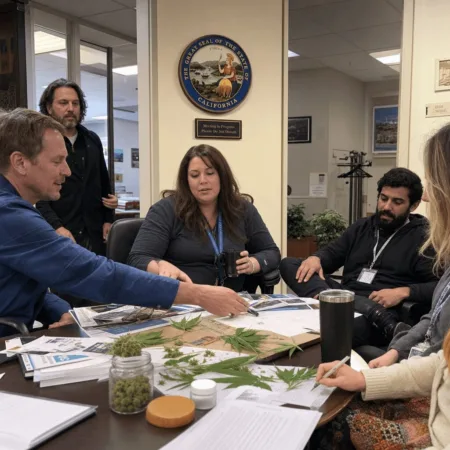
Arkansas’ medical cannabis program, established under Amendment 98 in 2016, strictly regulates product distribution. Packaging rules were recently tightened to avoid kid-friendly designs, according to state health updates on the Arkansas Department of Health website. Despite this, accidental pediatric exposures are climbing nationwide, and such incidents often reflect broader confusion and inconsistency seen across states with patchwork regulations. In fact, challenges related to evolving cannabis laws and uncertainties for both businesses and consumers are not unique to Arkansas — similar concerns were raised when a hemp-derived THC ban in Illinois sparked uncertainty for farmers and consumers. Advocates point to the normalization of cannabis, consumer confusion over labeling, and unintended consequences from diverse legal approaches. Meanwhile, state agencies wrestle with enforcement gaps and public education shortfalls, issues flagged in CDC research on cannabis exposures. Social pressure is mounting on both sides: families demand safety, patients want access, and entrepreneurs seek clarity in a shifting legal terrain.
Unpacking the Toddler THC Overdose Arkansas Incident & Legal Fallout
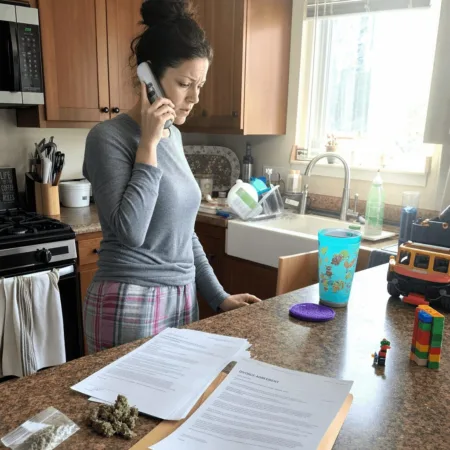
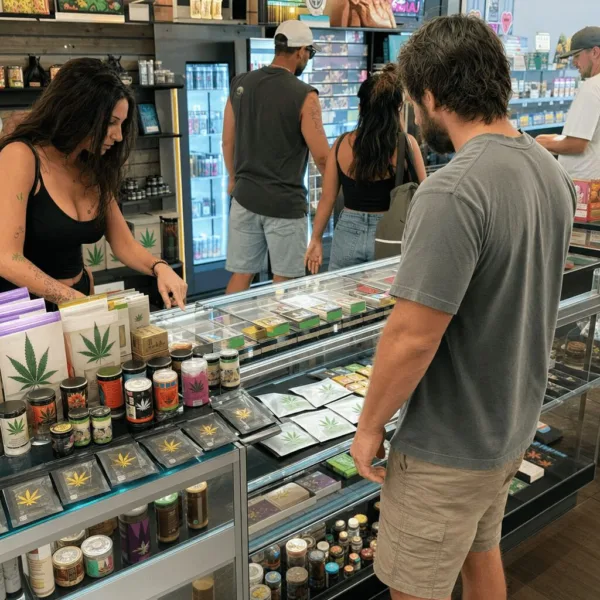
On September 26, 2025, Fort Smith, Arkansas, was rocked by the news of a toddler THC overdose Arkansas after an 18-month-old ingesting cannabis edibles at home. According to the original NW Arkansas Democrat-Gazette report, the child accessed unsealed THC products left on a family room table. First responders rushed the child to a nearby hospital, confirming THC toxicity. Both parents admitted the cannabis was purchased legally at a licensed dispensary. Law enforcement cited parental neglect and child endangerment, leading to a swift Department of Human Services investigation. The court set a hearing for mid-October to determine custody and parental fitness. Instances of accidental ingestion by children have also raised policy alarms elsewhere, illustrated in another state by the shocking lesson when a child brought a THC edible to school. Community responses, as reported by local outlets, have mixed concern for the child with calls for better state education efforts and stricter at-home safety rules. Dispensary practices are now under renewed scrutiny, though the retailer involved was found compliant with state packaging laws.
Expert Insights: Balancing Cannabis Progress with Child Safety
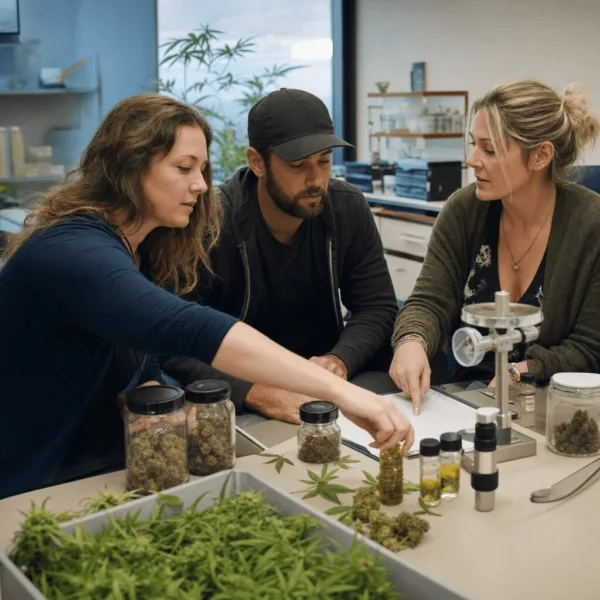
Industry veterans are quick to note that the toddler THC overdose Arkansas case reflects larger challenges in every emerging cannabis market. “This is ultimately a wake-up call for smart storage—cannabis products should be kept as secure as pharmaceuticals,” says Morgan Fox, political director at the National Organization for the Reform of Marijuana Laws (NORML). Most pediatric exposures happen when cannabis is mistaken for candy, highlighting gaps in both education and policy. Market researchers at Marijuana Policy Project emphasize that progress in legal cannabis must include family-centric standards and robust consumer guidance. These debates about responsible adult use versus unintended consequences are not limited to Arkansas—dispensary owners and policymakers in markets like Illinois have also faced added pressure from proposed tax and packaging changes. Fox continues, “As legalization spreads, safeguarding our kids becomes a shared responsibility, one the industry takes seriously. This isn’t about prohibition, it’s about adapting as society evolves.”