





Understanding the Landscape: Realities Behind Regulatory Crackdowns
The current wave of illegal cannabis dispensary shutdowns has roots in a patchwork of state and municipal laws that struggle to keep up with evolving attitudes and industry realities. While legalization has swept much of the United States, creating a public majority in favor of both medical and recreational use (Pew Research), gray market operators have popped up in every city, drawn by genuine demand and the slow rollout of regulated retail licenses. For those looking to understand how other states are approaching evolving oversight, new programs such as Colorado’s cannabis surveillance and safety regulations provide a useful comparison to the ongoing regulatory challenges seen elsewhere. The reality is that regulatory processes can be slow, expensive, and confusing, often sidelining grassroots entrepreneurs and smaller operators. State-level agencies, like New York’s Office of Cannabis Management (source), have increased enforcement efforts to curb illicit dispensaries, citing the need to protect consumer safety, tax revenue, and the integrity of the legal market. But even as storefronts get padlocked, questions about access and fairness remain front and center.
The Latest Illegal Cannabis Dispensary Shutdown: What Went Down?
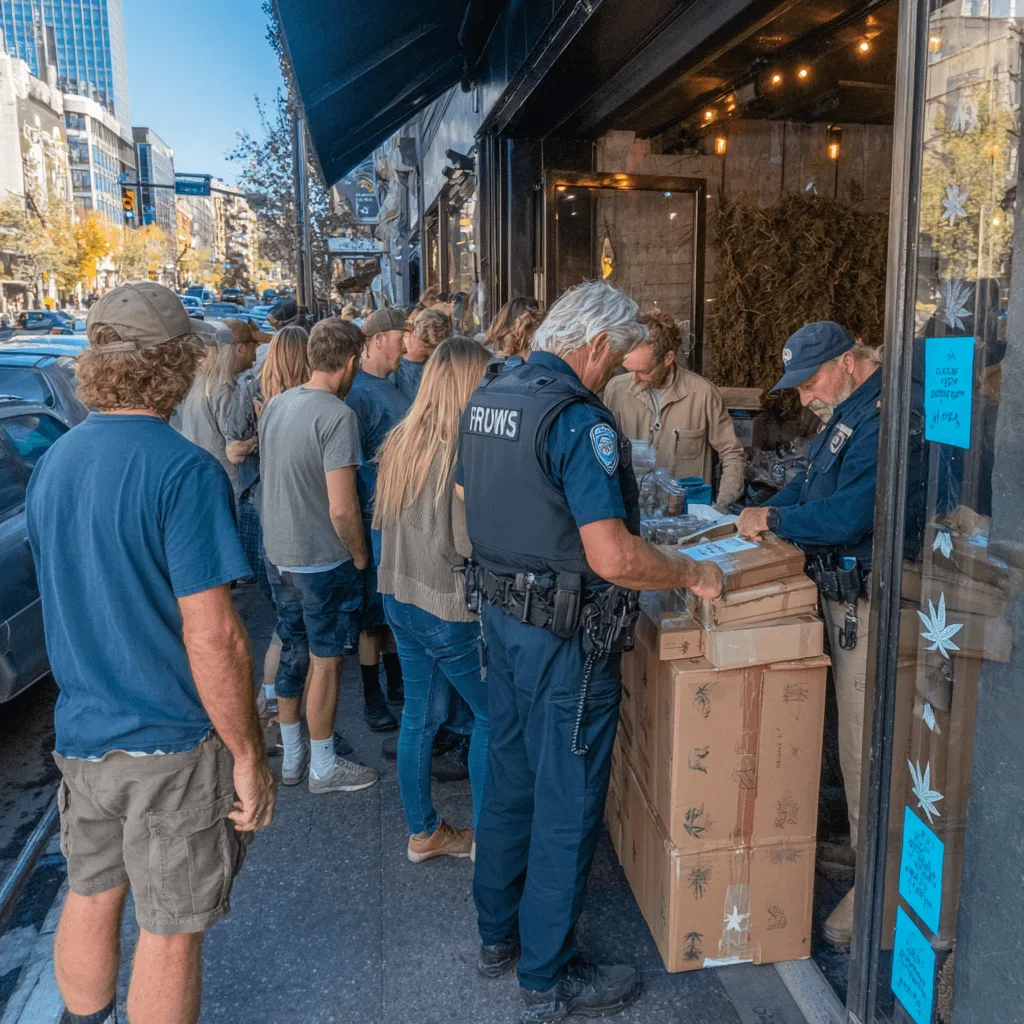
According to authoritative news coverage by LocalSYR News, the most recent illegal cannabis dispensary shutdown played out on a busy city street, drawing onlookers and igniting local discussion. Incidents like this echo in other regions as well, including Texas, where changing THC regulations have significantly impacted market operations. On the morning of the incident, state and local law enforcement officers arrived at a small, unlicensed cannabis storefront adorned with cannabis imagery, without the legally required state permit. Officers confiscated cannabis products and shut the shop down, packing evidence into cardboard boxes, and documenting everything as required by recent regulatory guidance. Authorities cited violations of New York State’s adult-use cannabis laws, which stipulate that selling cannabis without proper licensure is subject to civil and criminal penalties. This event adds to a growing list of enforcement actions that began ramping up in 2023, as local and state agencies align on cracking down on noncompliant operations, a trend also reported by Leafly and other leading outlets. City leaders and cannabis regulators emphasize these shutdowns are necessary to foster a thriving, legal industry and consumer trust, but not everyone is convinced enforcement alone can solve the deeply rooted challenges in cannabis retail policy.
Expert Insights: More Than Just a Crackdown
So, what’s really at stake with each illegal cannabis dispensary shutdown? Industry experts stress that while enforcement maintains the legal industry’s credibility, it risks excluding vulnerable communities and legacy operators. In some regions, business owners face additional difficulties, as detailed in the analysis of the headwinds Minnesota cannabis businesses encounter when adapting to regulatory requirements. As reported by Marijuana Moment, the slow pace of legal licensing often pushes both entrepreneurs and consumers toward unregulated channels. Jane West, a nationally recognized cannabis advocate and founder, wisely observes: “Every shutdown is a symptom of a deeper problem, to really support equity, licensing needs to be more accessible, not just enforced.” (Source: Forbes). On the street, these shutdowns create unease and economic hardship for some, while others see it as a necessary, if imperfect, step to maturing the regulated industry. Consumers often remain caught in the middle, weighing convenience, price, and trust in product safety. This ongoing push-pull between access, equity, and enforcement shapes every debate around illegal cannabis dispensary shutdown policies.
1 Comment
Pingback: Recreational Cannabis Sales Minnesota: Willmar Launches!