


The Legal Landscape: Georgia Medical Cannabis Laws in Context
Let’s set the vibe: Unlike the rapid reform seen in states like California or Illinois, Georgia medical cannabis laws have traditionally moved at a more Southern pace. Historically, Georgia has allowed limited medical cannabis use, specifically low-THC oil, for select conditions. The key regulation, known as the Georgia Hope Act (Georgia Department of Public Health), set the tone in 2015. This law granted registered patients access to low-THC cannabis oil (up to 5%) for a narrow set of diagnoses, leaving out crucial provisions such as in-state cultivation, retail sales, and broad patient eligibility.
In recent years, demand has soared for easier access and a wider range of cannabis products. Across the South—Louisiana, Arkansas, and Florida, for example—public support for medical cannabis reforms has grown (Pew Research Center, 2023). As the original Georgia program offers limited and often inaccessible legal paths, many residents remain frustrated, highlighting a trend seen in other states, such as Minnesota, where local cannabis businesses also face significant challenges adapting to restrictive regulations.
Shifting cultural attitudes, especially among younger residents and veterans groups, are sparking optimism for change. Industry reports from NORML and state policy advocacy organizations reveal strong public support for increased access in Georgia, suggesting local policies are lagging behind national sentiment. With conversation swirling about expanded eligibility and access, all eyes remain on evolving Georgia medical cannabis laws and what comes next.
Key Developments: What’s Changing in Georgia Medical Cannabis Laws?
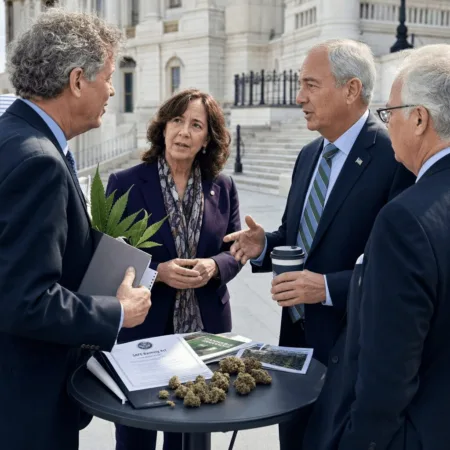
Significant updates emerged this session when, according to 41NBC, Georgia lawmakers met to discuss expanding the state’s medical cannabis program. Legislative proposals target expanding qualifying medical conditions and simplifying patient access. In this legislative session, the House discussed amendments to:
- Expand the medical conditions eligible for cannabis oil, including conditions like PTSD and severe pain
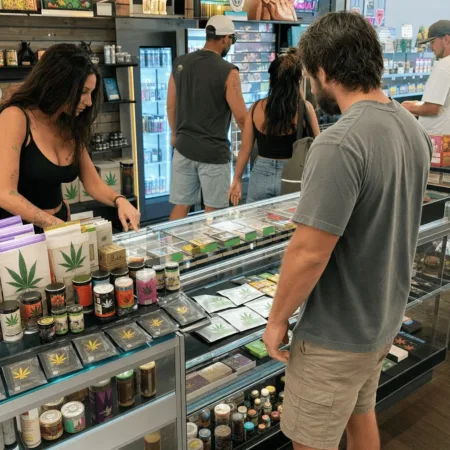
- Increase the number of licensed dispensaries to improve distribution in rural and underserved areas
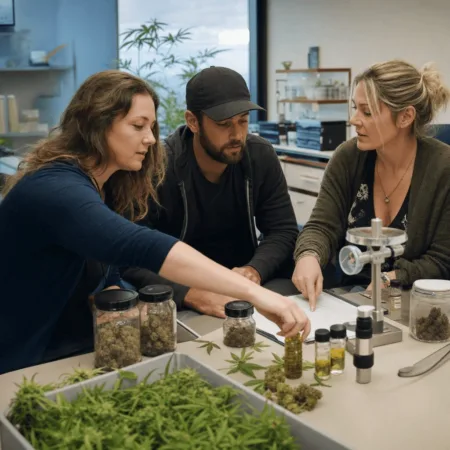
- Streamline the registration process for patients and healthcare providers
Currently, only a few licensed companies, including Trulieve and Botanical Sciences, can grow, process, and sell low-THC oil in Georgia. Yet, as reported by The Atlanta Journal-Constitution, logistical and legal hurdles have left many patients with restricted access. This mirrors dynamic markets like Phoenix, where some dispensary operators are driving local cannabis culture forward.
This year’s debate draws in bipartisan support, with lawmakers focused on patient needs, economic opportunities, and curbing illicit market growth. Some are eyeing more sophisticated oversight, including patient tracking and stronger dispensary regulation—aligning with regulatory standards seen in Colorado (Colorado Department of Revenue). Yet, questions about public safety and the unresolved federal stance linger, even as momentum for change increases with potential votes ahead.
Expert Insights: Reading Between the Lines on Georgia Cannabis Reform
Georgia stands at a crossroads with its medical cannabis program, and frustrations are clear among patients and business owners alike pushing for a fair playing field and accessible options. Policy experts are weighing in—Marijuana Moment underscores the crucial role of legislators keeping patient welfare in focus as markets evolve, quoting Karen O’Keefe, Director of State Policies at the Marijuana Policy Project: “Georgia’s approach shows just how crucial it is for regulators and policymakers to keep patient welfare front and center as markets mature.” When overregulation prevails, vulnerable populations tend to suffer and the illicit market endures.
Georgia’s momentum reflects national patterns, as states like Missouri and Oklahoma have transitioned from restrictive oil-only models to robust and accessible medical programs (Leafly News). These evolutions highlight how listening to science and lived experiences can drive rapid policy transformation. Meanwhile, as advocacy grows—including recent trends in how seniors are using CBD to transform daily wellness—there’s hope Georgia will soon deliver balanced and genuinely inclusive reform.