


Understanding Sri Lanka Cannabis Investment: Background & Context
For decades, Sri Lankan law made cannabis both taboo and off-limits, except for controlled uses in traditional medicine under the Ayurveda Act. Social stigma, colonial legacy, and tough drug laws kept modern cannabis out of legitimate markets. However, as countries like Thailand and India move towards liberalization, global interest in Sri Lanka cannabis investment has been reignited. Recent years have seen a rise in South Asian cannabis research, shifting public debates, and mounting calls to modernize outdated regulations, a trend mirrored by regulatory modernization taking place in other markets, such as California’s efforts to update cannabis tax law and regulation. Sri Lanka’s economy, grappling with post-crisis instability, is prompting policymakers to explore new revenue streams, bringing a climate that encourages cannabis policy reform and market innovation.
Key Developments & Issues: Surprising Policy Shifts in Sri Lanka
The spark, President Ranil Wickremesinghe’s dramatic pivot in September 2025, as covered by Reuters, marked a stunning break from decades of prohibition. President Wickremesinghe publicly endorsed harnessing cannabis for economic recovery, medicinal use, and regulated export. The conversation surrounding cannabis investment went from aspiration to actionable policy. Details include proposed legislation to decriminalize cultivation for medicinal and industrial purposes, and the issuance of new licenses to local farmers. Regulatory reforms are spearheaded by the Ministry of Indigenous Medicine, and the government is seeking export partnerships with neighboring medicinal suppliers in India and Thailand. Grassroots advocates and local entrepreneurs quickly mobilized in response, planning demonstration plots and pilot programs supported by the National Dangerous Drugs Control Board. Lawmakers, meanwhile, debate the structure—whether profits should flow to the state or directly to communities. These types of regulatory shifts are not unique to Sri Lanka, paralleling recent legal and legislative updates elsewhere such as THC product policy changes in Wisconsin, signaling further global cannabis policy alignment.
Expert Analysis & Insights: What This Means for Sri Lanka Cannabis Investment
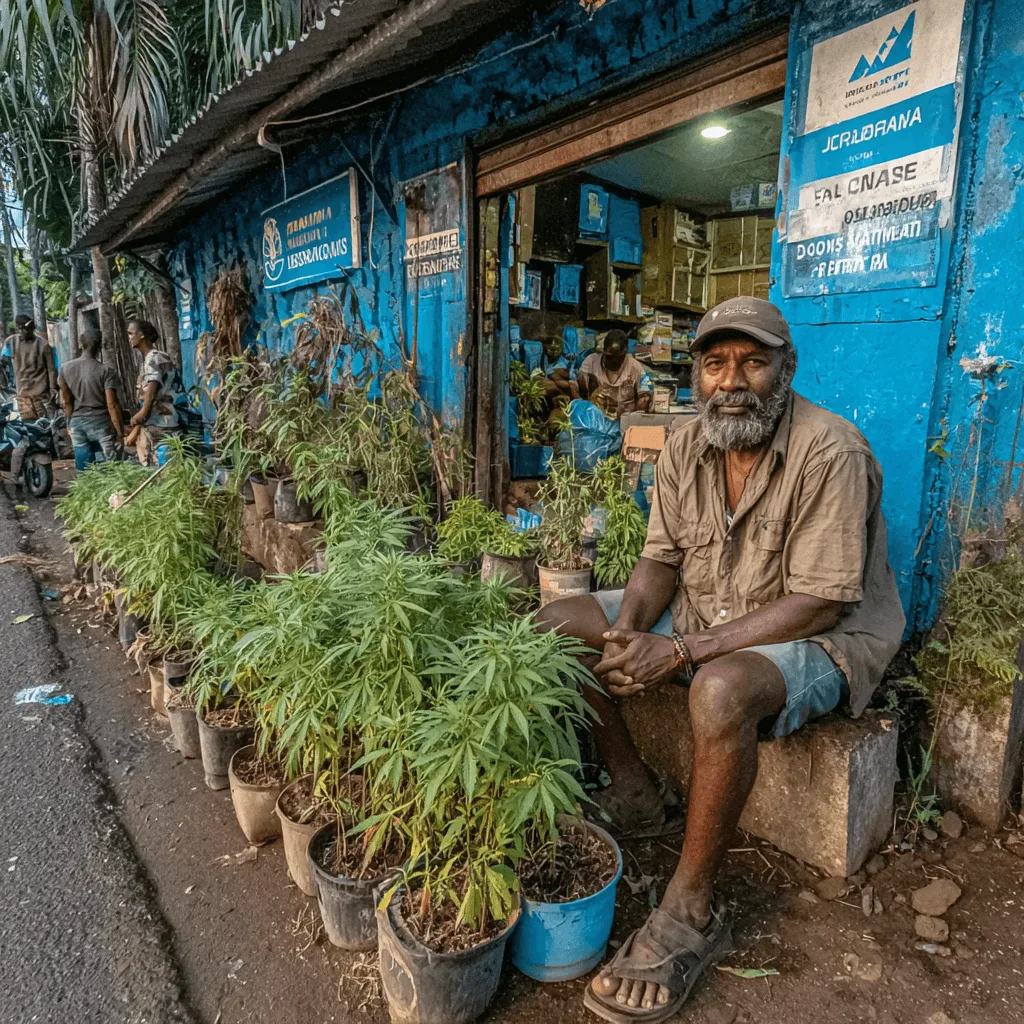
Let’s call it what it is, this is a watershed moment for Sri Lanka cannabis investment. Policy changes from national leaders often serve as signals to global markets that regulatory environments are softening. Veteran advocate and industry analyst Alex Rogers, speaking with Forbes, recently noted: “As Asian markets relax regulations, investors and entrepreneurs move fast to capture early-mover advantage. Sri Lanka, with its rich cultivation traditions, could become a key regional player.” Locally, many see a chance for sustainable growth, leveraging the island’s unique strains, climate, and agricultural know-how. Early government efforts focus on medicinal and industrial uses, reflecting global pioneers like Thailand and Canada, and resonate with ongoing updates on how North American markets are evolving in tandem with cannabis policy shifts. There are of course existing regulatory gaps—compliance, access, and export standards. But optimism remains strong that the inclusion of small growers and indigenous communities will be prioritized. Trend-watchers point to India’s ayurvedic industry and recent South Asian trade pacts as models for regional partnership. Meanwhile, international investors remain focused on legal clarity, scalability, and product traceability, key themes echoed in industry reports. Seasoned players recognize the inevitable transitional challenges, but also recognize the upside as legal, high-quality products meet both local and export demand.