Understanding Texas Low-Level THC Regulation: The Backdrop
Let’s set the scene. Texas has always taken a conservative stance on cannabis, but recent years have seen shifts driven by national trends and the booming demand for hemp-derived products. The 2018 Farm Bill opened the door nationwide for hemp with under 0.3% THC, prompting the rise of legal vapes, edibles, and other goods. In Texas, however, lawmakers and agencies like the Texas Alcoholic Beverage Commission (TABC) and Texas Department of State Health Services have kept a close eye on how these products are sold, who can access them, and how to enforce age restrictions. Texas is hardly alone—these dynamics echo a wider debate, as seen in the evolving cannabis landscape across North America, where regulatory adaptation is a constant balancing act between public health and market innovation.
The ‘Texas low-level THC regulation’ landscape is shaped by unique legal challenges. Socially, there’s a steady climb in public support for accessible, safe cannabis alternatives, reflecting momentum similar to what’s being observed in Wisconsin where lawmakers are also reassessing their positions, as with recent legislative developments regarding THC loopholes. Still, authorities keep a firm grip, especially to protect younger Texans and maintain a clear line between hemp and high-THC marijuana. Ongoing debates at the Texas Legislature and among industry groups keep this a fiercely relevant issue for consumers and businesses alike.
Key Developments: What Changed & Why It’s a Big Deal
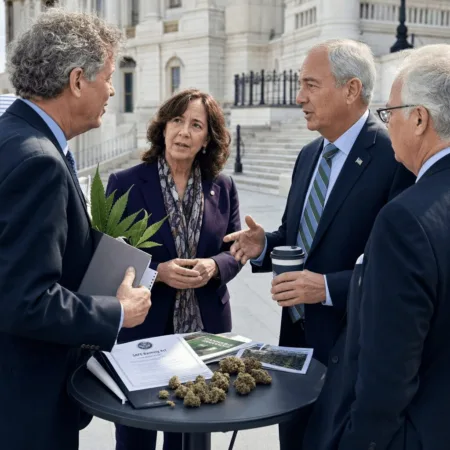
In a major move on May 8, 2024, the Texas Alcoholic Beverage Commission approved sweeping new rules aimed at regulating products containing low levels of THC. This fresh approach directly impacts everything from how items are displayed in stores to who’s actually eligible to buy them. The central rule? All Texas low-level THC products, like hemp-derived vapes and edibles, now have a hard age minimum: 21 and up. This reflects similar headline-making legislative showdowns at the Texas Capitol, as lawmakers have debated and reshaped policy in real time—read more about these pivotal moments in how recent debates have sparked change in Texas hemp THC legislation.
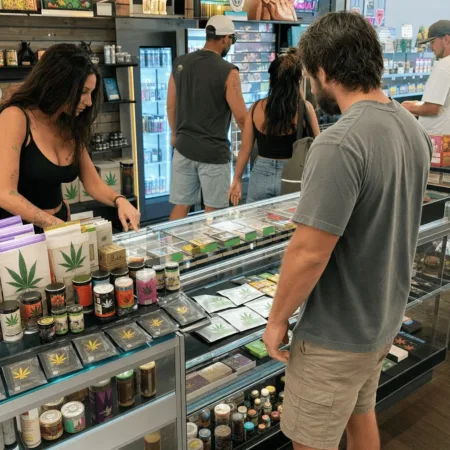
Shops in Dallas, Houston, and throughout the state have been quick to update their signage, blend ID checks into their routines, and refine displays to stay within compliance. The revised regulations emerged after public hearings and input from advocacy groups, retailers, and medical professionals. By focusing the rules on adults 21 and over, state officials hope to reduce underage exposure while allowing continued legal access for responsible adults. Notably, the new rules not only clarify penalties but also outline compliance checks, offering a clearer roadmap and strong incentive for retailers to align with the law. This Texas approach stands out among states grappling with similar enforcement challenges, as seen with the ongoing crackdowns impacting local farms elsewhere.
Industry Analysis, Advocacy, and Insights
So what’s the word on the street and from industry experts? Analysts point out that Texas low-level THC regulation is a balancing act. Restricting sales to adults 21+ lines up with national standards for alcohol and tobacco, making retailers’ duties clearer and the shopping experience more professional. Longtime advocates, like the National Organization for the Reform of Marijuana Laws (NORML), welcome protections for youth but urge lawmakers not to clamp down on adult choice or business innovation. In the words of Paul Armentano, NORML’s Deputy Director: “Clear, consistent regulation is essential for consumer safety and market stability, but overreach can stifle Texas entrepreneurs and deny adults fair access.” (NORML News).
As sales of hemp-derived items continue rising, whether gummies, vape pens, or tinctures, the new Texas low-level THC regulation could boost market legitimacy by nudging out unregulated, gray-market sellers in favor of legitimate, ID-checking businesses. It’s a trend that’s caught the attention of national retailers and investors, much like the way California’s decision to suspend cannabis taxes has rippled through industry circles, bringing both relief and questions to local markets—a debate that highlights various approaches to business and regulation.