


Shocking Marijuana Found Haslington Seawall: Details Unveiled
Alright, cannabis community, gather ’round—because the headline “marijuana found Haslington seawall” isn’t just another dramatic news flash. With shifting laws and public attitudes, every major find can make ripples in the regional cannabis scene. When ninety-two pounds of marijuana turned up on the Haslington seawall, it sparked new debates about the underground market, regulatory challenges, and law enforcement priorities in Guyana. Stick with me as we break down this story, how it relates to wider cannabis industry trends, and what it means for everyone who cares about the future of weed—legal or otherwise—across the Caribbean and South America.
The Social, Legal, and Regulatory Context of Cannabis in Guyana
To get why “marijuana found Haslington seawall” matters, we have to look at Guyana’s cannabis laws and broader regional trends. Cannabis remains illegal for recreational use in Guyana, with severe penalties for possession, cultivation, and trafficking, as outlined by Guyana’s Narcotic Drugs and Psychotropic Substances (Control) Act. Despite slow reform compared to North America or some Caribbean peers, changing global attitudes have created both pressure and opportunity for legal adaptation. Still, enforcement can be strict, and local law enforcement regularly reports significant drug busts, a situation that reflects a pattern seen in places like Iowa where narcotics cases frequently make headlines—see this recent investigation into Iowa narcotics arrests. Meanwhile, industry watchers like Marijuana Moment and Leafly note that even stiff penalties haven’t stamped out either local use or black-market activity. The country balances international treaty obligations with mounting calls for decriminalization or regulated medical access, particularly as neighboring states relax their own laws, further fueling policy debates along the Haslington seawall.
Unpacking the Haslington Seawall Discovery: Ninety-Two Pounds and a Wave of Questions
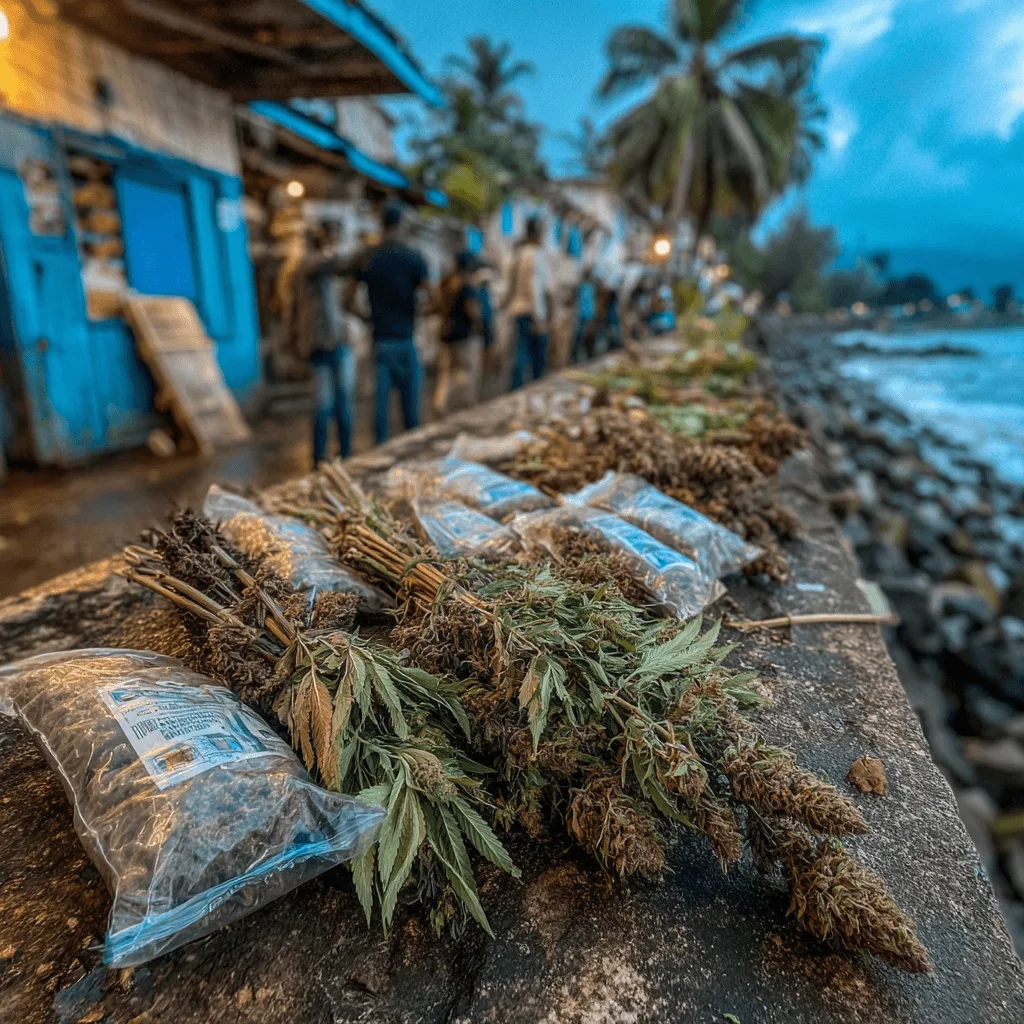
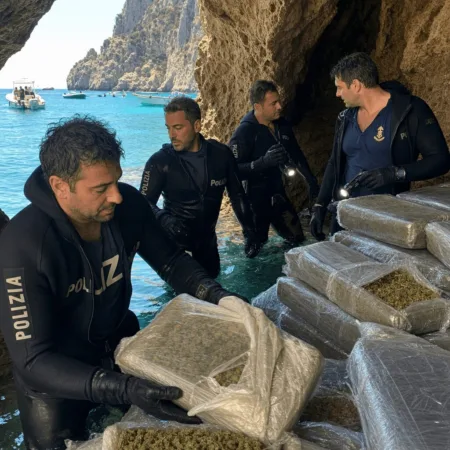
The “marijuana found Haslington seawall” saga kicked off big time on September 21, 2025. According to Stabroek News, law enforcement uncovered ninety-two pounds of cannabis hidden at the seawall, packaged in clear wrap for what appeared to be a well-organized operation. The bundles were stashed in a spot known for both community gatherings and, apparently, a thriving illicit trade. The surprise? Suspects spotted on-site managed to escape before police closed in, leaving behind a payload worth tens of thousands on the street. This mirrors challenges in markets worldwide, such as illegal supply chains documented in other countries—like the shadow cannabis networks in China. While the authorities moved swiftly, no arrests were made at the time of the report. The Haslington seawall is now a public symbol for both risk and resilience in Guyana’s ongoing struggle against cannabis trafficking.
Expert Analysis: What the Haslington Seawall Discovery Means for Cannabis Policy
Events like the “marijuana found Haslington seawall” bust don’t happen in a vacuum. As an industry veteran—and frequent flyer at both advocacy summits and reggae festivals—I see repeating themes. For one, the sheer volume suggests coordinated trafficking instead of personal cultivation. It hints at vulnerabilities in coastal enforcement and the complex role Guyana plays in the regional cannabis supply chain. According to a 2023 policy analysis from TalkingDrugs, policy inconsistencies between Caribbean states invite trafficking as suppliers take advantage of legal loopholes and uneven enforcement. Longtime commentator Ethan Nadelmann summed it up: “The war on drugs is the war on people, until regulation comes with compassion and science.” As wider legalization emerges, greater focus on quality control and consumer safety tends to follow, with a reduction in violent black-market disputes. These themes also surface in debates over marijuana decriminalization lawsuits such as the one in Killeen, Texas. Guyana continues to balance international obligations, public safety, and community health—with calls for reform growing stronger alongside these high-profile raids.
Looking Ahead: From Seawall Mysteries to a Modern Cannabis Industry
The big “marijuana found Haslington seawall” news underscores a pivotal turning point in Guyana and the Caribbean cannabis scene. Yes, big busts draw headlines and highlight enforcement gaps, but they also spotlight huge opportunities for smarter policy and safer communities. As social acceptance grows and global markets open up, Guyana finds itself at a crossroads—maintain outdated penalties, or join neighbors easing up on prohibition. According to a global analysis by Cannabis Business Times, “Nations embracing reforms see measurable gains: less crime, more jobs, and improved public health outcomes.” If Guyana rides these trends, the next big headline could be about responsible regulation, not another dramatic find. Let’s keep the dialogue going, advocate for common-sense changes, and make sure stories like this lead to progress, not just panic. The future of cannabis—on the seawall, in parliament, and in the hands of everyday people—is bright and full of possibility.
Originally reported by: stabroeknews.com
1 Comment
Pingback: Psychedelics and Philosophy: Why Minds Must Open Now