China Illegal Cannabis Networks Exposed: $100 Billion Shocker
Let’s talk about one of the hottest stories pulsing through the global cannabis scene right now—massive China illegal cannabis networks. Recent headline-grabbing exposés have rocked both cannabis insiders and the general public, showing how these networks are moving tens of billions of dollars through sophisticated operations. As regulators, law enforcement, and industry insiders scramble to keep up, it’s clear that the conversation around China illegal cannabis networks is about more than just the plant—it’s about economics, policy, and global power plays. Here’s what you need to know, why it matters, and where cannabis advocates stand.
The Regulatory and Social Backdrop Behind China Illegal Cannabis Networks
To understand how China illegal cannabis networks ballooned into a $100 billion force, you’ve got to look at the global and domestic frameworks. Globally, the cannabis market is in wild flux. While over 64% of Americans support legalization, tough, uneven bans persist in countries like China. According to Brookings Institution experts, Chinese drug policies are among the harshest, with harsh punishments for those caught in the industry. Yet, major supply-side loopholes exist. China’s huge chemical and agricultural infrastructure, paired with lax regulation on certain export commodities, has allowed illicit players to exploit weaknesses. As recent developments in evolving cannabis-infused products show, reflected by the surge in cannabis-infused beverages popular in Charleston, innovation in the global cannabis space keeps moving despite restrictions. Add a vast global appetite for cannabis, especially in high-value black markets like the US, and you’ve got prime conditions for China illegal cannabis networks to thrive. Social attitudes in China remain largely conservative, according to state media reports, but underground demand and profit motives fuel the networks’ staying power.
Exposing the Bust, Key Developments & Issues in China Illegal Cannabis Networks
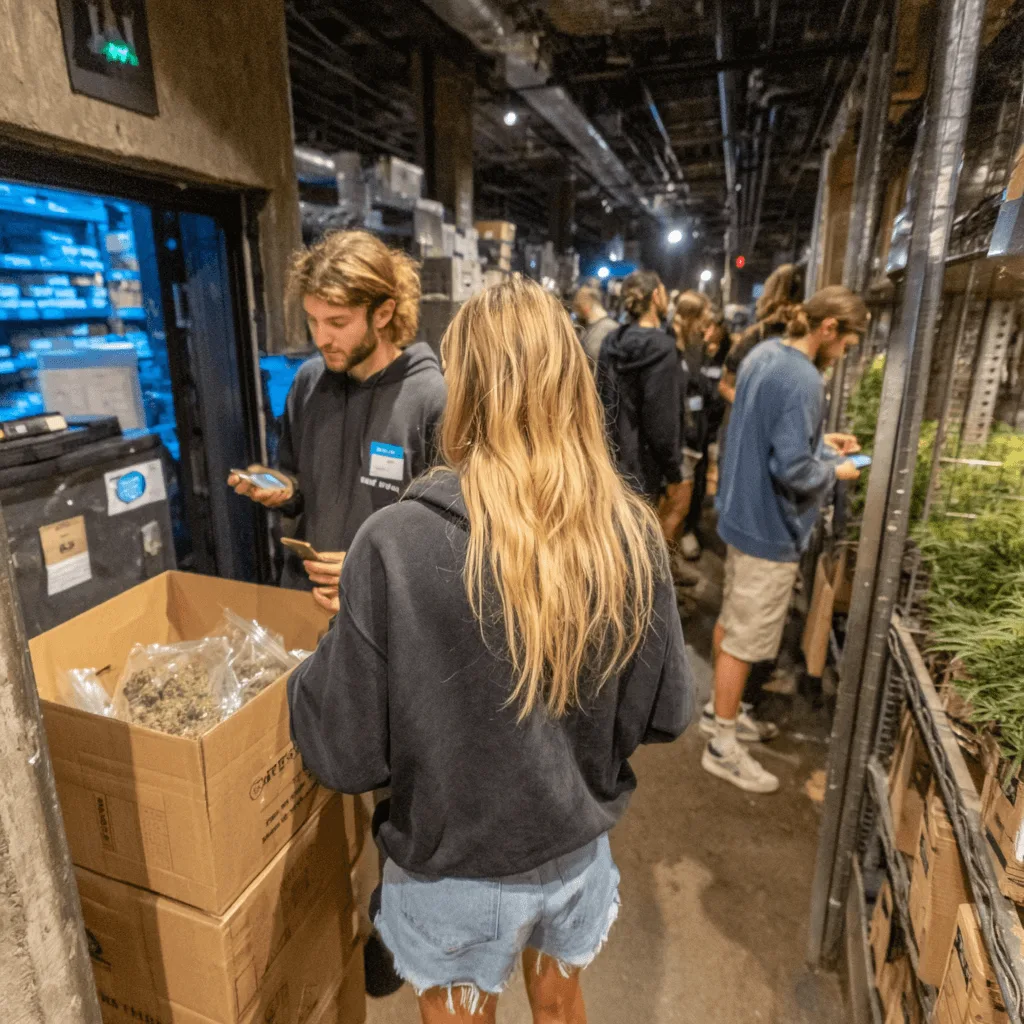
Recently, a jaw-dropping exposé by NTD News revealed the true scale of China illegal cannabis networks operating in North America. According to legal expert Paul Larkin, these organizations have quietly embedded themselves along the West Coast and parts of the Midwest, orchestrating a $100 billion-a-year operation.
Here’s the gist, Chinese-backed groups fund sprawling grow operations—often in rented suburban homes or nondescript warehouses. These groups allegedly use a combination of shell companies and fake documents to lease properties, buy hydroponic equipment, and smuggle products into lucrative US markets. In recent DEA raids, agents discovered mountains of unmarked packaging and large cash stashes linked to Chinese banks. In 2023 alone, officials in California, Oregon, and Oklahoma cited multi-million dollar seizures tied to these networks (Justice.gov).
Serious concerns are being raised about laundered profits. These networks move money internationally, using both old-school cash drop-offs and sophisticated digital transactions. Recent legal actions have connected certain criminal syndicates to both cannabis and other contraband, but cannabis operations still dominate their revenue streams. As the federal government struggles with regulatory gaps and state-level law enforcement, these networks continue to thrive—a reminder of similar chaos seen in recent narcotics arrest stories and investigations in Iowa.
Expert Analysis, Why China Illegal Cannabis Networks Matter—and What to Do
As a long-time cannabis advocate, I’ve seen black market dynamics unfold from all angles. This situation with China illegal cannabis networks is intense, not just because of the numbers, but the sheer international complexity. According to Leafly’s 2023 industry analysis, black market cannabis still outpaces legal sales in many U.S. states, driven in part by sophisticated international operations.
“The illicit market adapts faster than regulators can respond, but it’s also a symptom of restrictive legalization,” says Bruce Barcott, senior editor at Leafly (source).
China illegal cannabis networks thrive where legal ambiguity and patchwork enforcement collide. When legal avenues can’t meet demand or set realistic prices, consumers and suppliers look for alternatives. At the same time, harsh law enforcement in China pushes some actors to offshore their operations, creating an unintended global supply chain. But it’s not all doom and gloom. These developments are forcing regulators, landlords, and financial institutions to get smarter, faster, and more collaborative than ever before. Some U.S. states, according to Cannabis Business Times, have ramped up property inspections and business licensing scrutiny, hoping to choke off supply without criminalizing end consumers, similar to how future trends and regulatory updates are shaping the 2025 cannabis market in real time.
Bright Spots & Looking Forward: The End of China Illegal Cannabis Networks?
So, are China illegal cannabis networks unbeatable? Absolutely not. As global conversations shift toward sensible cannabis reform, these networks will slowly lose their grip. States like New York and Illinois are rolling out more robust, equity-driven licensing designed to outcompete black market players (NBC News).
On the global front, more transparent regulations and cross-border cooperation are making life harder for criminal networks and safer for everyone else. Social stigma is steadily dropping, thanks to patient advocates and researchers sharing the real benefits of cannabis.
That said, advocates like myself want smarter, fairer laws—not just more prohibition. If governments can set the right rules, offer real pathways for small legal growers, and keep up with industry innovation, the days of China illegal cannabis networks dominating the conversation are numbered.
The future of cannabis is bright, inclusive, and—above all—responsible. As markets mature and regulations catch up, illicit operations like those exposed this year will have fewer places to hide. Until then, staying informed, pushing for reform, and supporting the legal cannabis movement remain crucial.
Originally reported by: ntd.com