





Iowa Narcotics Arrests: Shocking Details Exposed
Lately, the buzz around Iowa narcotics arrests has dominated headlines, and for good reason. With shifting laws and fresh debate on cannabis regulation, the human stories behind each arrest demand real attention. Today’s update doesn’t just rehash a police report—it unpacks the climate, dives into what sparked these Iowa narcotics arrests, and examines what they mean for the present and future of cannabis in the Midwest. Stick around: we’re hitting everything from background and breaking details to what industry experts really think.
The Evolving Landscape: Cannabis Law and Iowa’s Regulatory Scene
To understand why Iowa narcotics arrests make such waves, you have to start with the backdrop. Iowa’s cannabis policy has long lagged behind more progressive neighboring states, clinging to prohibitions while states like Illinois and Minnesota reform. This divergence is amplified as Native Nations in Minnesota carve out pathways for legal markets, showing how Minnesota’s tribal-led cannabis initiatives are leading a regional green revolution. According to the National Conference of State Legislatures, Iowa retains strict possession limits and has not legalized recreational cannabis as of now. Legal debates often pit public health advocates against legalization supporters, with enforcement practices sometimes appearing out of sync with modern science and public opinion.
Layer on recent surges in medicinal cannabis use and shifting perceptions driven by broad national legalization trends, and it’s no wonder local law enforcement still struggles to navigate complex, and sometimes contradictory, policy terrain. The Des Moines Register highlighted a spike in cannabis-related charges even as the public favors reform. This tension sets the stage for every new round of Iowa narcotics arrests.
Three Arrested in Iowa: Breaking Down the Latest Developments
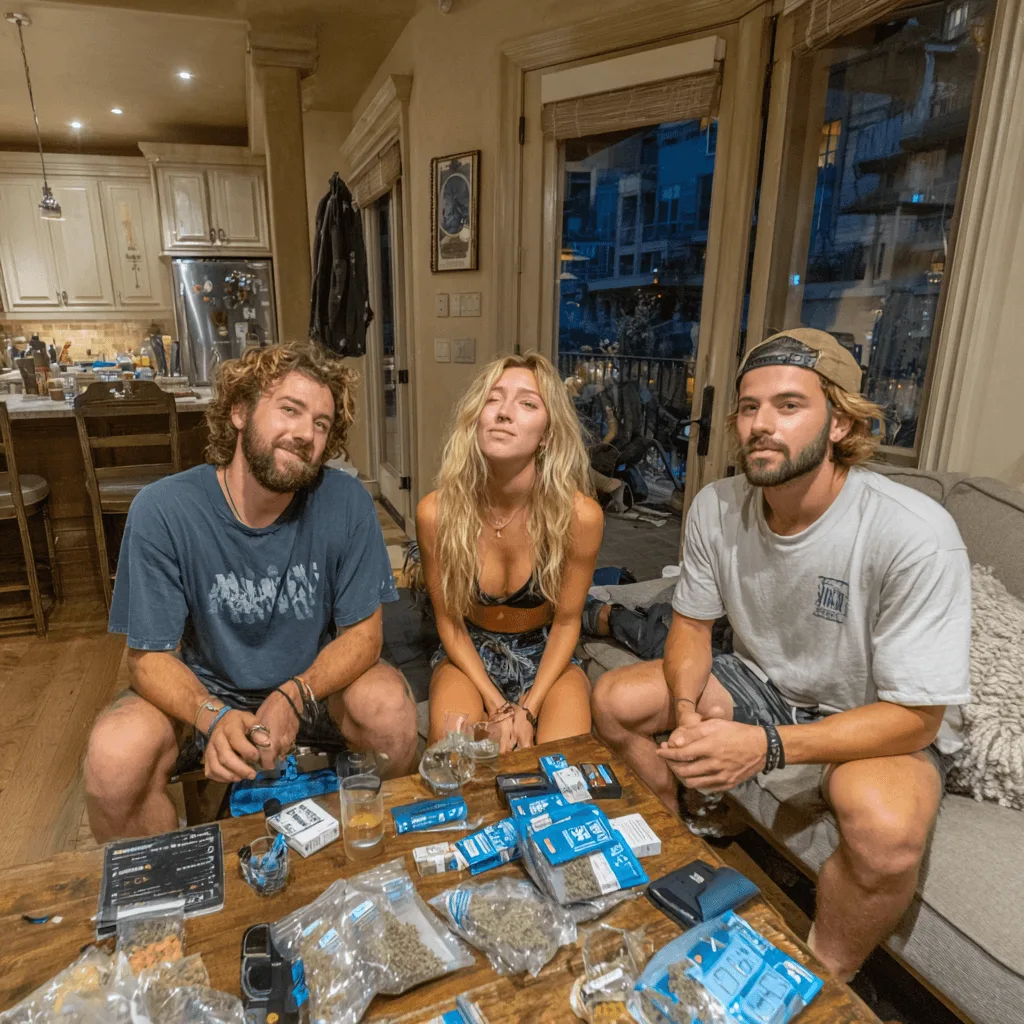
This week, the story on everyone’s lips began with a sting operation conducted by Iowa authorities resulting in the Iowa narcotics arrests of three adults. Recent police action, which echoes national news stories where suburbia meets cannabis confusion such as those in Texas, brings into focus how legal ambiguity often plays out in unexpected community settings. According to KAAL TV News, the operation took place in a familiar, lived-in setting—a private residence where officers uncovered paraphernalia and what they classified as illicit substances. Police reports stated clear evidence of cannabis and related materials, including small bags of dried plant material and rolling papers.
Authorities have confirmed that the three arrested individuals were cooperative during the process. Their names have not been made public at the time of this writing, but law enforcement emphasized the operation as part of broader efforts to curb unlawful possession and distribution. The specifics, from common paraphernalia to ordinary backdrops, underscore how deeply cannabis has become woven into Midwest life, even as statutory risk remains high. For more on bust trends, NORML offers a map of penalties and historical enforcement in Iowa. The case has sparked renewed debate about police priorities and the fate of those caught in the legal crosshairs for nonviolent cannabis activities.
Expert Analysis: What This Means for Cannabis in Iowa
What’s striking about these recurring Iowa narcotics arrests is how they reflect national gaps in cannabis policy. Meanwhile, the broader impact on public health and prevention is explored through innovations in the THC industry, which are beginning to shape science-backed discussions about the real-life mental health impact of cannabis. As highlighted by the Marijuana Moment, “The divide between public opinion and legislative action is more glaring than ever, especially in states slow to reform.”
Many experts in cannabis law and policy aren’t surprised. Dr. Rachel Knox, a physician well-known for cannabis therapeutics, puts it bluntly: “Arresting people for cannabis use in 2024 is at odds with science and social justice. It perpetuates cycles that neither serve public health nor community wellbeing.” That’s especially true in Iowa, where old-school enforcement clashes with current attitudes and economic realities. The continued criminalization of low-level possession drains resources, criminalizes nonviolent citizens, and stifles entrepreneurial growth. Enforcement patterns, according to ACLU, also display clear disparities along racial and economic lines, adding fuel to the argument for urgent reform.
Looking Forward: Growth, Reform, and Hope for Iowa Cannabis
Every new batch of Iowa narcotics arrests highlights just how overdue change is. While the present climate may feel discouraging, history shows that progress surges when communities keep challenging the status quo. Cannabis advocates, industry leaders, and reform-minded lawmakers push for policy grounded in science—not stigma. National data from Pew Research shows strong, wide-reaching support for legalization and better regulation. Iowa is poised for serious evolution; these stories fuel the mission for smarter, fairer laws. Let’s keep the focus on education, safety, and real community benefit—because with each conversation, Iowa edges closer to cannabis common sense.
Originally reported by: kaaltv.com
1 Comment
Pingback: China Illegal Cannabis Networks Exposed: $100 Billion Shocker