


Illegal Marijuana Cultivation Arrest: Shocking Bust in Thousand Palms
As California’s cannabis laws continue to shift, the reality of an illegal marijuana cultivation arrest in everyday neighborhoods is all over the news. The latest Thousand Palms bust isn’t just another headline—it’s a reminder of deep divides between regulated and underground cannabis activity. With the market booming, enforcement is tightening, and growers who don’t play by the rules are facing real risks. This story dives into what happened, why it matters for the legal cannabis landscape, and what it means for advocates, business owners, and community members watching these headlines.
Regulatory Realities: Why Illegal Marijuana Cultivation Arrests Still Happen
Cannabis may be legal in California, but there’s still a massive bureaucratic maze for growers. According to California’s Department of Cannabis Control, strict commercial licenses determine who can legally cultivate and sell. Not every cultivator takes the steps (or pays the steep licensing costs) to come above ground. In 2024, the state reported a $5.3 billion legal market, but the illicit market is still estimated at double that size. Social acceptance grows, but the regulations haven’t caught up. There’s geographic patchwork: Some counties openly license farms while others ban any commercial cultivation (see CDFA for details). High taxes, zoning hurdles, and confusing compliance rules leave many smaller growers in legal limbo, much like the patchwork of cannabis reform and barriers described in the recent DOJ lawsuit over THC regulation. These are the roots of why police still make illegal marijuana cultivation arrests even in 2024.
Bust in the Burbs: Key Developments & Issues
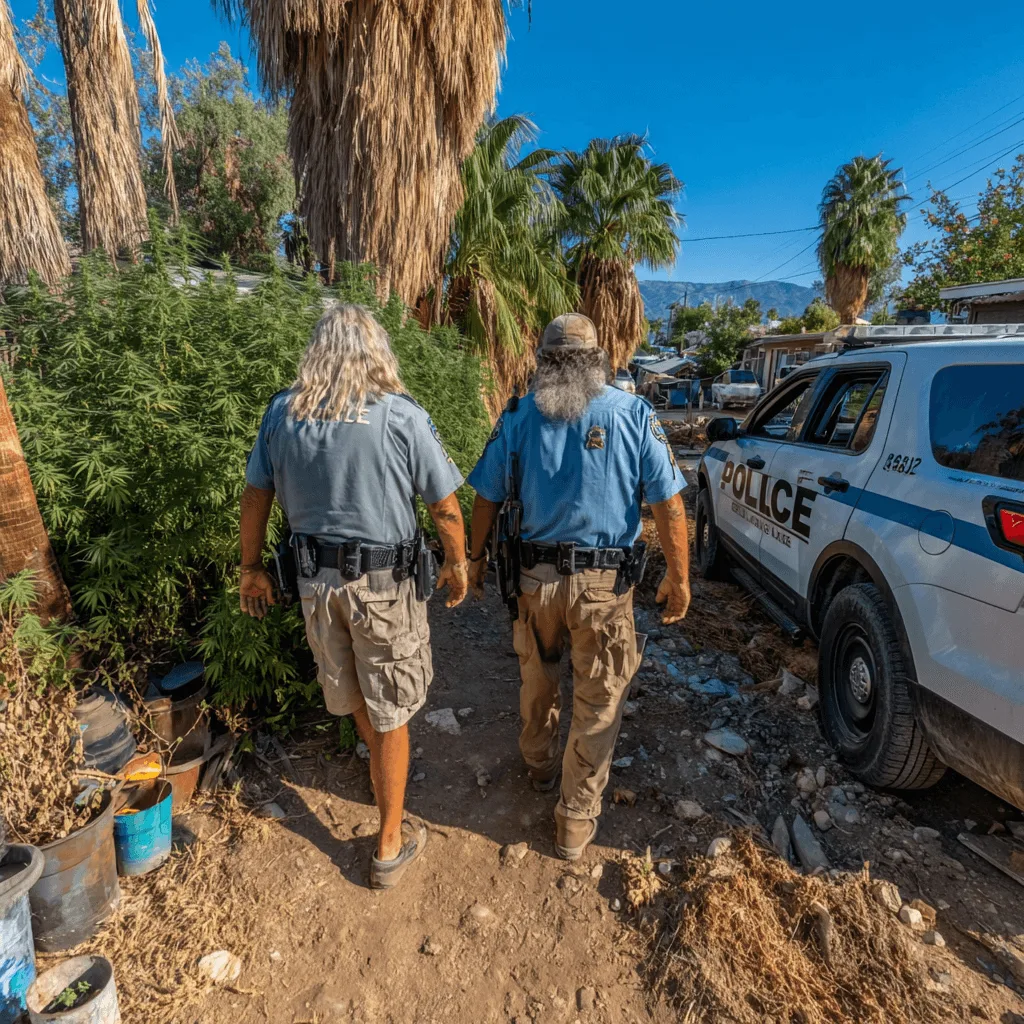
On September 19, 2025, Riverside County deputies executed a search warrant in Thousand Palms, leading to an illegal marijuana cultivation arrest that’s raising eyebrows across the valley (per MyNewsLA). Two men, identified in police filings but not yet charged in court, were handcuffed in a residential area dotted with palm trees and backyard gardens. Police say the grow-op sprawled across an unkempt backyard, where hundreds of marijuana plants were discovered among gardening tools and outdoor furniture. According to official statements, evidence seized included lighting equipment, irrigation systems, and nearly 400 cannabis plants. Officers reported the operation violated not just state licensing laws but also Riverside County’s local cultivation bans, making the illegal marijuana cultivation arrest a local and state issue. In some communities where enforcement clashes with evolving marijuana culture, as seen in the bold local cannabis law changes in the Midwest, neighbors described shock, as the house gave little clue it was the site of an underground grow. Legal penalties could include seizure of property and felony charges, reflecting the seriousness local authorities attach to off-the-books cultivation, especially as legal businesses compete under strict compliance. Meanwhile, police emphasized their ongoing efforts to crack down on non-licensed grows that “undermine the community and legal cannabis market” (see full report at MyNewsLA).
Expert Analysis: Cannabis Industry Insights & Human Realities
This illegal marijuana cultivation arrest highlights a recurring tension: passionate growers clashing with evolving, sometimes inconsistent laws. The boom in legal sales drives both opportunity and higher scrutiny. As cannabis gets more mainstream, enforcement agencies feel pressure to uphold newly minted regulations, especially when neighbors or business competitors report suspicious activity. According to Leafly’s industry analysis, the unlicensed sector thrives partly because “high entry costs and patchy enforcement send honest, small-scale growers to the shadows.” Some experts point to regulatory overload as a root cause. “If policymakers want to shrink the illicit market, they must lower the barriers for legal growing instead of criminalizing passionate cultivators,” argues longtime industry observer Amanda Reiman, Senior VP of Public Policy at New Frontier Data. Amanda adds, “Every illegal marijuana cultivation arrest sends a message, but it won’t end underground growing unless the system actually welcomes these folks into the legal fold.” At the same time, community members worry about safety and property values, which triggers local crackdowns. This debate over effective cannabis policy and access is also being watched in other states, as recent regulatory shifts, like the major changes to Michigan cannabis regulation, show how the national landscape is evolving. Most experts agree: balancing regulation with reasonable access is the only path to a fair, effective, and safer cannabis industry in California and beyond.
Looking Ahead: Bright Spots and Growth on the Horizon
While an illegal marijuana cultivation arrest might dominate headlines, California’s cannabis scene is steadily maturing. More counties are piloting streamlined licensing reforms, aiming to help former underground growers transition into the legal market (Marijuana Moment reports on new pilot programs). Consumers are learning to distinguish between legal and unlicensed products, and advocacy groups keep pushing for equitable regulation over jackboot enforcement. The cannabis business isn’t going back underground—it’s finding new legitimacy every year. The next chapter in Thousand Palms and other towns will come from smarter laws, community dialogue, and public education—not just handcuffs at backyard grows. As legal operations multiply and barriers ease, even those hit by past illegal marijuana cultivation arrests may someday find their place in this dynamic, fast-changing industry.
Originally reported by: mynewsla.com
1 Comment
Pingback: National Cannabis Marketplace: Discover Edible’s Expansion