





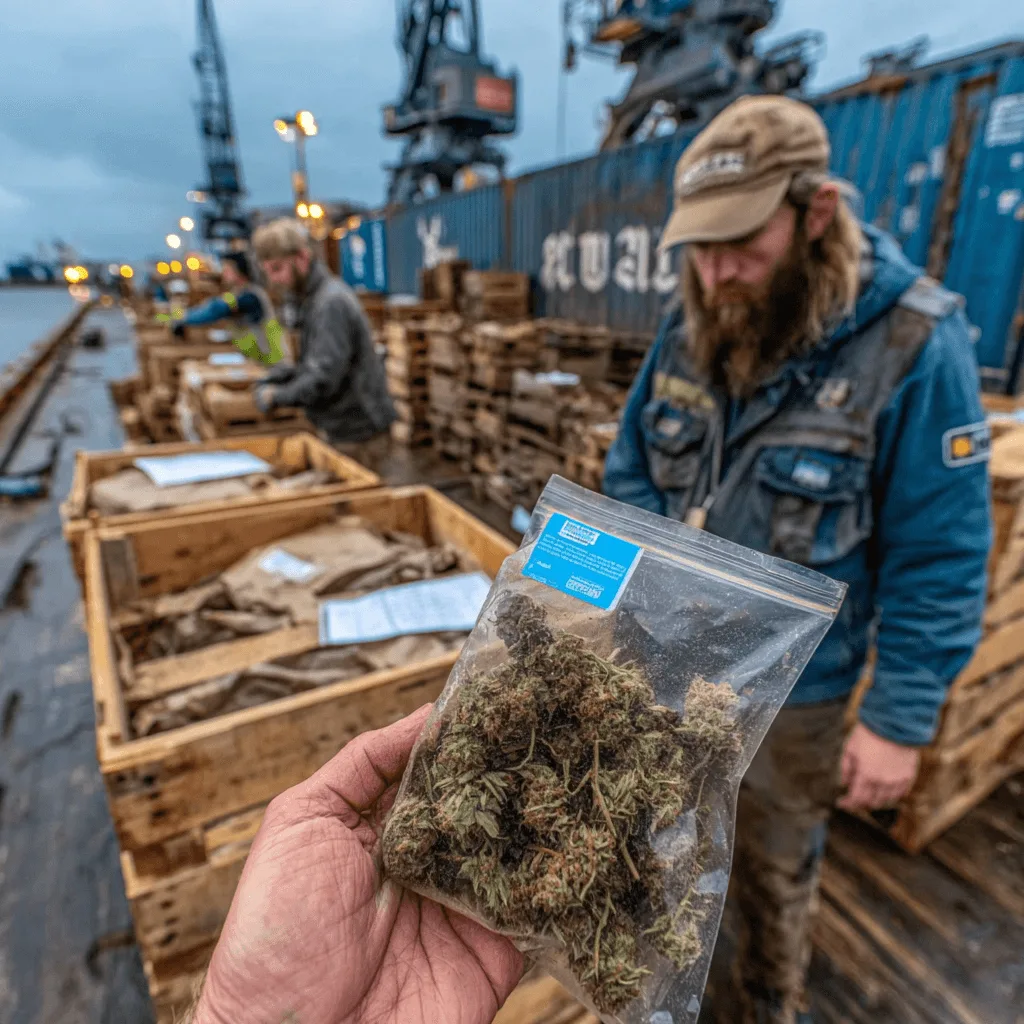
Germany Cannabis Import Permits: What No Approvals in 2025 Mean
Germany’s cannabis market is at a crossroads, catching the attention of investors, businesses, and medical cannabis advocates worldwide. With new updates in regulatory policy, the focus keyword “Germany cannabis import permits” is on everyone’s lips. A recent announcement on permit freezes could shift the European cannabis landscape, touching supply chains from Canada to Portugal and beyond. Let’s roll up the facts, break down what’s happening, and why you should care about the future of cannabis imports in Germany.
Germany Cannabis Import Permits: The Regulatory Background
The German cannabis sector is legendary for setting a careful, clinical standard in the global market. Since medical cannabis became legal in 2017, Germany has relied heavily on imports to meet patient demand. Domestic production exists, but it covers only a fraction of medical needs, pushing regulators to issue import permits for dried cannabis flower supplied by global exporters. German authorities like BfArM (Federal Institute for Drugs and Medical Devices) play a pivotal role in issuing Germany cannabis import permits, ensuring strict compliance. While Germany’s cautious approach keeps quality high and safety in check, it also limits flexibility for supply and innovation. Recent moves to modernize German cannabis laws, including partial decriminalization and potential regulation of recreational cannabis, have triggered heated debates and rapid legal movement in 2023, and 2024. According to Deutsche Welle, this evolving regulatory mix sets the stage for shifts affecting consumers, businesses, and global exporters. For those curious about product types, strains, and their individual effects amidst these changes, our article on how the effects of Indica, Sativa, and hybrid cannabis strains are explained outlines the latest insights for 2025.
Key Developments: No New Germany Cannabis Import Permits for 2025
Here’s the joint, according to Stratcann, Germany’s authorities (namely BfArM) have announced they will not approve new permits for importing dried cannabis flower throughout 2025. This announcement means no fresh authorization for international cultivators to send bulk flower shipments to Germany starting January. Ongoing contracts and renewals may stick around for a bit longer, but new entrants and expanding companies face a closed door at least for the next year. This policy shift impacts international exporters from Canada, the Netherlands, Portugal, and Australia—organizations that built business models around German demand. Companies like Tilray, Aurora, and Cantourage now find themselves rethinking distribution and revenue streams. The ongoing transformation of Aurora Cannabis in Germany provides a closer view of how leading suppliers are adapting to these regulatory changes. According to MJBizDaily, the sudden halt is a response to regulatory restructuring, potential backlog, and uncertainty about Germany’s domestic supply abilities. The news has also left pharma companies and German pharmacies scrambling for clarity on future sourcing options and compliance needs.
Expert Analysis and Insights: What the Permit Freeze Really Means
Let’s be blunt, Germany cannabis import permits have long functioned as a pipeline for high-quality product to reach patients. An extended freeze disrupts not just global supply chains, but also patient access and business strategy in Europe’s largest cannabis market. Medical providers worry about supply gaps, price increases, and broader effects for clinical research. “Whenever a major market like Germany adjusts its import policy, ripple effects travel around the globe,” explains Benzinga senior analyst Emily Duval. Industry insiders predict consolidation among European distributors, but also hope this will speed up German domestic cultivation initiatives and encourage diversified product offerings. The broader context is that Germany’s evolving stance signals a maturation of the cannabis space, moving from a quick-import fix to a more self-reliant, regulated ecosystem. For a deeper understanding of the synergistic health benefits possible in future German cannabis products, see our coverage on the entourage effect and its impact in 2025. Growth markets like the Czech Republic and Luxembourg are watching closely, ready to learn from Germany’s transition pains and regulatory balancing act.
The Road Ahead: Resilience and Growth Beyond Permit Freezes
Despite the hurdles posed by halting Germany cannabis import permits, there’s valid reason for optimism. The German market remains massive, with public acceptance on the rise and patient demand still strong. Legal frameworks are evolving—slowly, yes, but steadily—toward a sustainable, transparent cannabis industry. According to Forbes, Germany’s embrace of legalization (even if limited) sets a benchmark for EU policy progress. While exporters must adapt, and patients brace for short-term market shifts, the groundwork is being laid for smarter, more resilient cannabis supply chains in the region. Look out for industry leaders championing cooperative solutions and pushing for accelerated domestic scaling. In true cannabis spirit: change is the only constant, but growth happens when we adapt together.
Originally reported by: stratcann.com



1 Comment
Pingback: Laredo Vape Shop Drug Tunnel Uncovered in DEA Bust