What Happens When a Baby Is Exposed to THC? Shocking Verdict
With the cannabis industry evolving daily and legalization spreading in the U.S., the topic of a baby exposed to THC is grabbing headlines. Beyond impacting families, recent high-profile verdicts show how society is grappling with the risks, stigma, and legal complexities of cannabis use. In this piece, we unpack why cases like these are creating shockwaves—affecting parents, legal standards, and the cannabis sector at large.
The Regulatory and Social Landscape of Cannabis and Child Safety
The rise in legal cannabis access has brought with it complex regulatory issues, especially as they impact children and families. According to The New York Times, accidental exposure of infants and children to THC has increased in states with medical and recreational markets. Regulators nationwide are updating safety protocols, packaging restrictions, and childproofing requirements, as noted by the CDC. Socially, even as cannabis gains acceptance, the topic of child safety and community regulation remains controversial. Many families face stigma, and legal systems sometimes treat parents unevenly depending on varying state laws. Big changes in city cannabis dispensary regulations have exposed local differences in how access and safety measures are implemented. As The Brookings Institution explains, cannabis remains federally illegal, keeping penalties and emotions high around sensitive incidents.
The Alabama Case: Key Developments and Legal Fallout
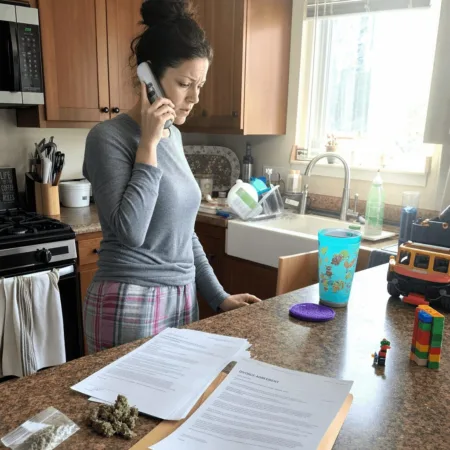
On September 2025, an Alabama jury delivered a $660,000 verdict after a highly publicized case involving a baby exposed to THC. According to AL.com, the child was found to have THC in their system, igniting a court battle focused on both parental responsibility and potential product liability. The lawsuit named the product distributor and adults responsible for the child’s welfare, alleging a failure to prevent accidental ingestion. Legal filings show that despite claims of safe storage, the baby accessed an edible—an incident becoming more common nationwide, as highlighted by The Washington Post. This court case underscores the need for clearer safety standards, similar to the scrutiny seen in recent local marijuana possession crackdowns that have brought national attention to enforcement disparities. Expert witnesses testified about the health risks of cannabis in infants, while the jury’s ruling was considered both punitive and cautionary for the broader market. The verdict comes amid rising accident rates involving minors, as reported by CDC data, highlighting the ongoing gaps in education and child safety across both legal and illicit markets.
Expert Analysis, Industry Responses, and Balancing the Cannabis Conversation
This verdict is a wake-up call for consumers and the cannabis industry alike. Industry leaders have responded with calls for stronger parental education, better packaging, and reinforced childproofing. As mg Magazine points out, companies pioneering child-resistant packaging are rapidly setting new industry best practices, and some state agencies now recommend guidelines following models like those for CBD edibles and other infused products. For many advocates, the Alabama case is an urgent mandate to improve consumer protection and public perception. According to Dr. Ethan Russo, a veteran cannabis researcher, “Education is our first and best line of defense when it comes to preventing unintended cannabis exposure among children.” (ProjectCBD) The rising incidence of children exposed to THC calls the entire supply chain to action—dispensaries, brands, and state agencies must double down on outreach and compliance. At the same time, it’s essential not to demonize cannabis outright—many experts urge lawmakers and the public to address issues such as lack of education, safe storage, and parental resources, rather than reverting to punitive measures alone. Balanced, data-driven discussions are crucial as the industry matures.
Looking Forward: Lessons, Solutions, and Hope for a Safer Cannabis Future
Stories like the Alabama verdict are tough medicine—but they highlight where both culture and policy still need to catch up with rapid market growth. The cannabis community is innovating with smarter packaging, clearer warnings, and collaborative educational campaigns to keep children safe and families free from stigma. As cannabis normalization accelerates, we can expect even tighter standards, ongoing safety upgrades, and increased public understanding. The future is bright for responsible cannabis, so long as education and accountability grow alongside it. As NORML notes, every lesson learned helps balance freedom and responsibility. With people, brands, and regulators all working toward safer outcomes, the risk of accidental cases like a baby exposed to THC will continue to decrease—helping the plant secure its legit, stigma-free place in our lives and laws.
Originally reported by: al.com