


Synthetic Cannabis Drug Trafficking: Major Arrest Uncovered
If you thought 2024 would be smooth for cannabis, think again. The spotlight just landed on synthetic cannabis drug trafficking, following a headline-grabbing arrest that’s making waves across the industry. While cannabis has been on a journey toward wider legal acceptance, the underground market for synthetic cannabinoids is still very much alive. With law enforcement cracking down and high-profile busts lighting up the news cycle, the way we understand regulation, safety, and enforcement is shifting fast. This story carries implications for consumers, advocates, and the entire cannabis sector. Let’s break down why synthetic cannabis drug trafficking is at the center of attention and what it means for the future of the plant, the people, and the policy landscape.
Understanding The Regulatory & Social Backdrop
The rise of synthetic cannabis drug trafficking is fueled by the patchwork nature of global cannabis laws. While reforms have swept genuine cannabis products into legal markets in places like Canada and several U.S. states, synthetic cannabinoids skirt the fringes. Manufactured to mimic THC or CBD but formulated in clandestine labs, these substances often evade clear categorization under drug schedules, which has prompted debate similar to ongoing discussions about the impact of federal legalization and how major wealth shifts are coming soon in legal cannabis markets.
This gray area puts regulators in a tough spot. According to the U.S. Drug Enforcement Administration, synthetic cannabinoids frequently fall outside the scope of traditional cannabis laws, creating headaches for law enforcement and public health officials. Socially, the perception of synthetic cannabis varies drastically. Some users in prohibitionist areas turn to these compounds thinking they’re safer or more “legal,” when in fact, they often lack oversight entirely. Meanwhile, the genuine cannabis industry continues to push for clarity and education, distancing itself from these bootleg alternatives.
Key Events: The Latest Bust In Synthetic Cannabis Drug Trafficking
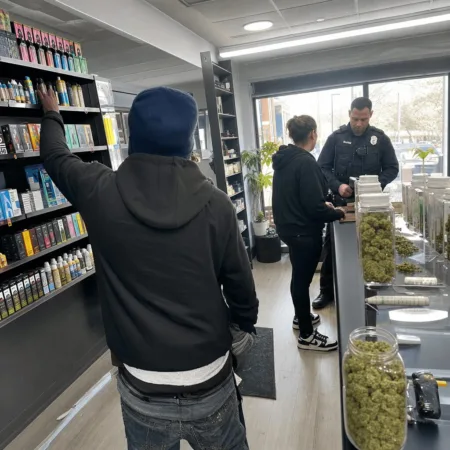
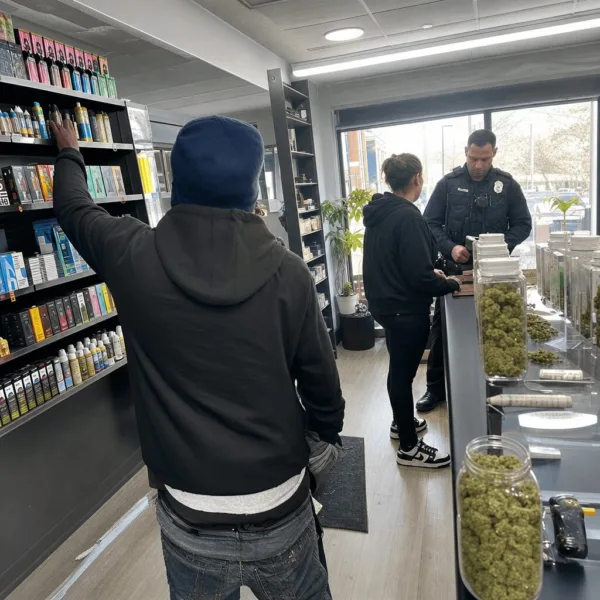
The most recent development illustrating the dark side of synthetic cannabis drug trafficking took place in Malta. According to Times of Malta, authorities arrested a young man suspected of trafficking not only synthetic cannabis but also heroin and cocaine. This late-night raid, carried out by Malta’s anti-drug squad, led to the seizure of multiple evidence bags filled with the illicit substances, echoing stories of travelers detained as cannabis baggage raises alarms and illustrating the global crackdown on trafficking activities.
The man, now facing formal charges, was apprehended after a detailed operation involving surveillance and cooperation between multiple agencies. Authorities reported recovering several kilos of materials believed to be synthetic cannabinoids, attesting to the size of the operation. In a statement released by the Maltese police, they confirmed that the suspect’s arrest forms part of a wider crackdown on synthetic cannabis drug trafficking, a trend that’s been rising in European jurisdictions where the regulatory vacuum persists.
Expert Analysis: Industry Real Talk On Synthetic Cannabis Drug Trafficking
The Malta bust highlights why synthetic cannabis drug trafficking continues to trouble both law enforcement and legitimate cannabis operators. Unlike naturally-derived cannabis, these synthetic clones often lack transparent sourcing and reliable safety profiles. That puts consumers at risk, undermining both health and industry credibility.
Javier Hasse, cannabis industry journalist, summed up this challenge in Benzinga: “The unregulated nature of synthetic cannabinoids makes them far riskier than authentic cannabis products. That’s why the industry keeps warning consumers: If it didn’t grow from the ground, treat it with skepticism.”
Compliance experts stress that ever-evolving laboratory formulas allow synthetic cannabis drug trafficking operations to stay one step ahead of slow-moving laws. At the same time, major licensed cannabis players continue to invest in educating the public and advocating for tighter standards. According to NORML, public confusion between “synthetic” and natural cannabis remains a core issue, fueling demand in places where legal options are lacking. This creates a dangerous feedback loop, as consumers weigh their options between less familiar compounds, with confusion similar to the ongoing debate about Delta 8 vs Delta 10 THC and their relative safety and regulation.
Looking Ahead: Lessons, Opportunities, And Hope
The Malta bust shines a spotlight on the persistent challenges of synthetic cannabis drug trafficking. But for every high-profile arrest, there’s another reminder that progress is possible—and needed. The legal cannabis movement’s continued rise, as documented by MJBizDaily, offers rays of hope. As more regions move toward evidence-based policy and public education, the appeal and dangers of synthetic alternatives should decline.
Bottom line? The cannabis industry stands ready to confront these real-world challenges, deepen trust with consumers, and drive home the difference between lab-made knockoffs and the real deal. Smart reform and clear-headed advocacy will set the record straight. Stay tuned—the future is bright, as long as we keep pushing for transparency and sensible policy around synthetic cannabis drug trafficking.
Originally reported by: timesofmalta.com